Commemoration of the Reichspogromnacht 1938
Events to commemorate Kristallnacht

The night of 9 November 1938 ranks among the most horrific moments in German history. Across Germany, fascists systematically carried out brutal acts of violence against Jewish men and women, and destroyed shops and synagogues.
That night marked the turning point from discrimination to deportation and murder. In Chemnitz, too, brutal attacks on Jews took place that night, and the Chemnitz synagogue on Stephanplatz was also destroyed.
The city of Chemnitz commemorates this event annually with various events around 9 November.
Flyer 2025

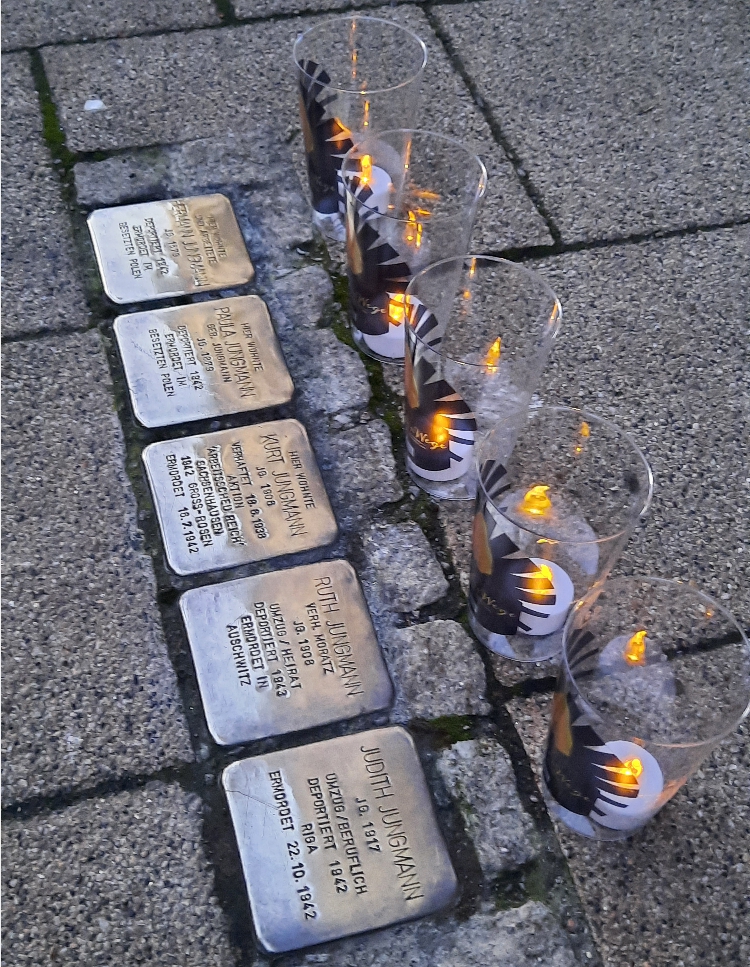
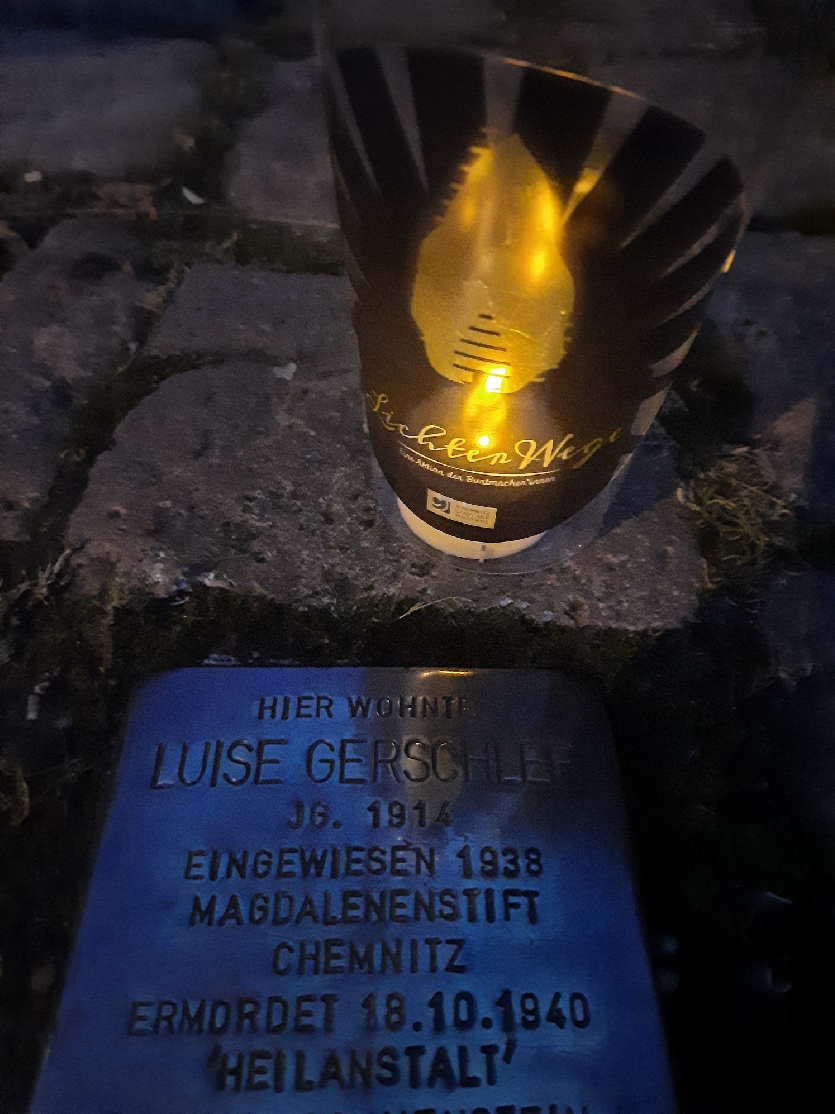
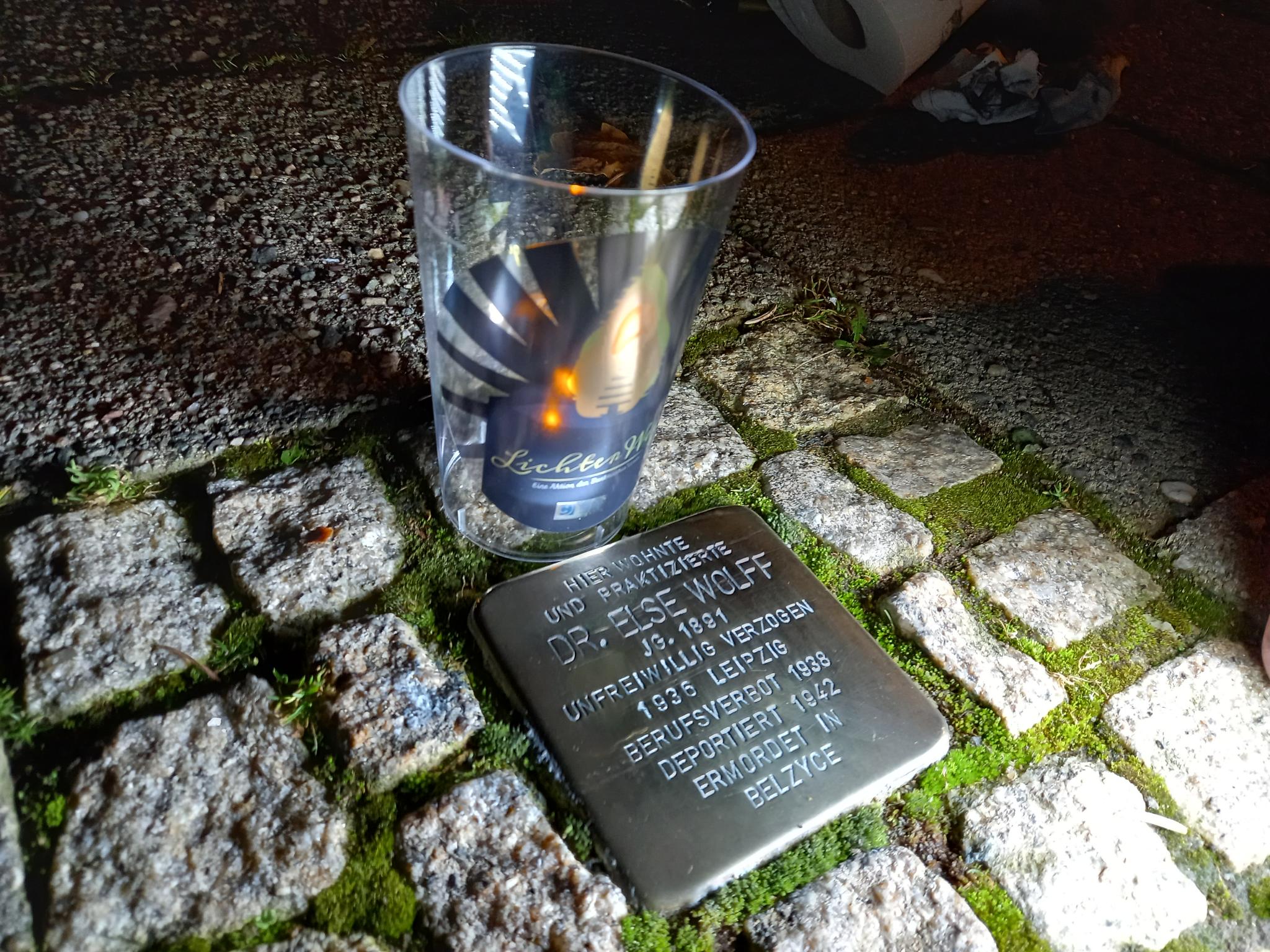
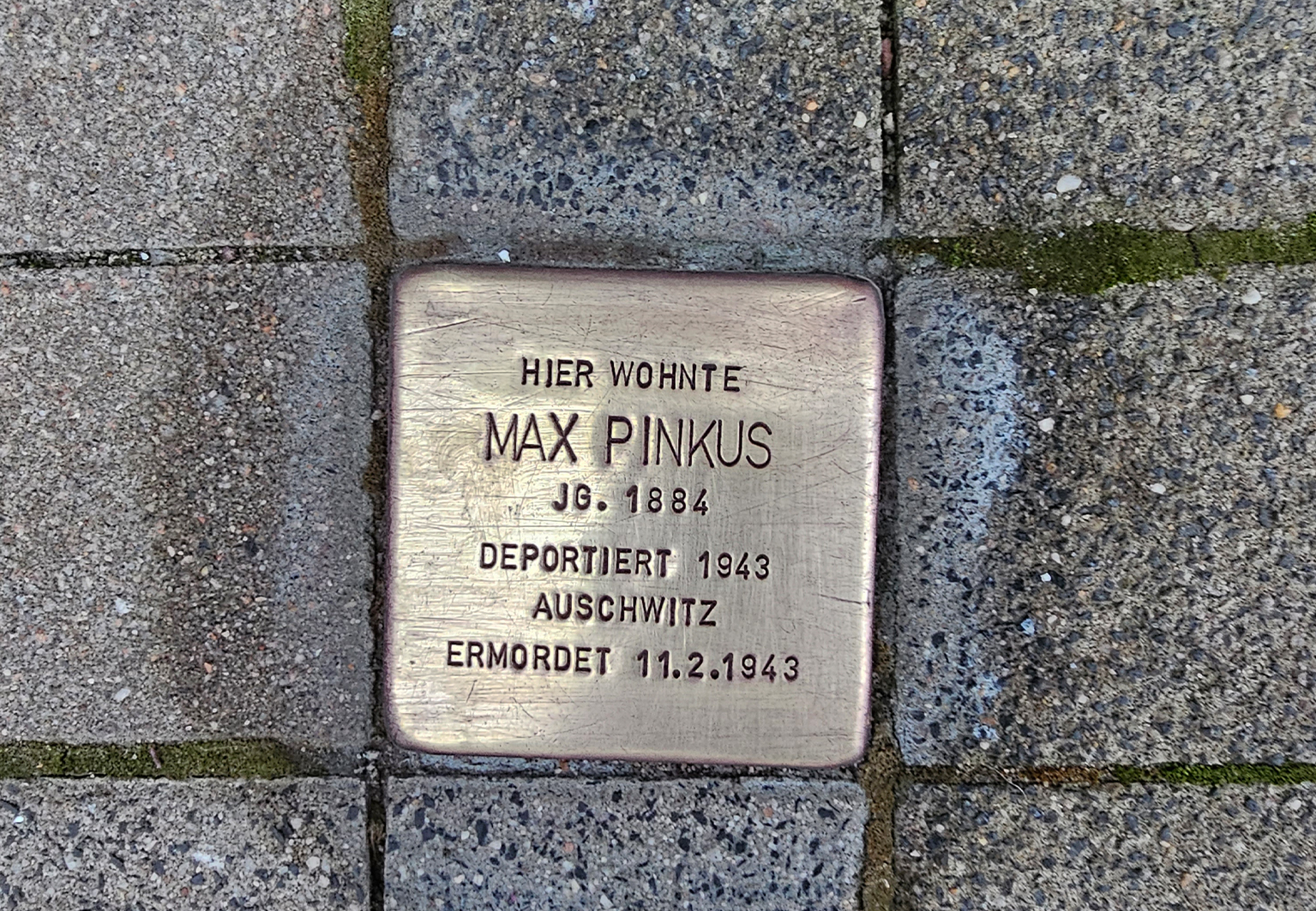
360 stumbling stones in Chemnitz commemorate the tragic fates of fellow citizens who were persecuted, deported, murdered or driven to their deaths during the National Socialist regime.
Laying of Stolpersteine
5 November 2026 from 9 am

With 379 Stolpersteine already embedded in the pavement, these memorial stones commemorate the tragic fates of people who were persecuted, deported, murdered or driven to their deaths in Chemnitz during the Nazi regime. The Cologne-based artist Gunter Demnig launched the project in 1993 in his home town. On 5 November, new stones will be laid in the presence of relatives, sponsors and members of the public.
A remembrance project led by the Stolpersteine Working Group in collaboration with the historian Dr Jürgen Nitsche, the Crime Prevention Council, the VVN-BdA and Buntmacher*innen.
moreCommemorating the victims of Kristallnacht
9 November 2026 at 11.00 am
Location: Memorial stele, Stephanplatz, 09112 Chemnitz

The City of Chemnitz, in conjunction with the Chemnitz Jewish Community, invites you to a wreath-laying ceremony featuring speeches and music.
Speakers will include Lord Mayor Sven Schulze, President of the State Parliament Alexander Dierks, Dr Ruth Röcher, Chair of the Chemnitz Jewish Community, and Hannah Allen, a descendant of the Jewish Magen family from Chemnitz.
Note regarding road closures:
Due to the commemoration at the memorial stele on Stephanplatz, Reichsstraße will be completely closed on Monday, 9 November, from 10.30 am to approximately 12.15 pm between Zwickauer Straße and Weststraße. A diversion is available via Weststraße – Zwickauer Straße or, alternatively, via Barbarossastraße. The police will also be providing operational security for the event. The CVAG will announce any changes to bus services separately.
Stumbling Stones and Paths of Light
9 November 2026 from 4 pm
Location: the whole of the city

Lecture by Dr Wolfgang Niess Historian - Author - Moderator
The 9th of November. The Germans and their fateful day
9 November, 4 pm

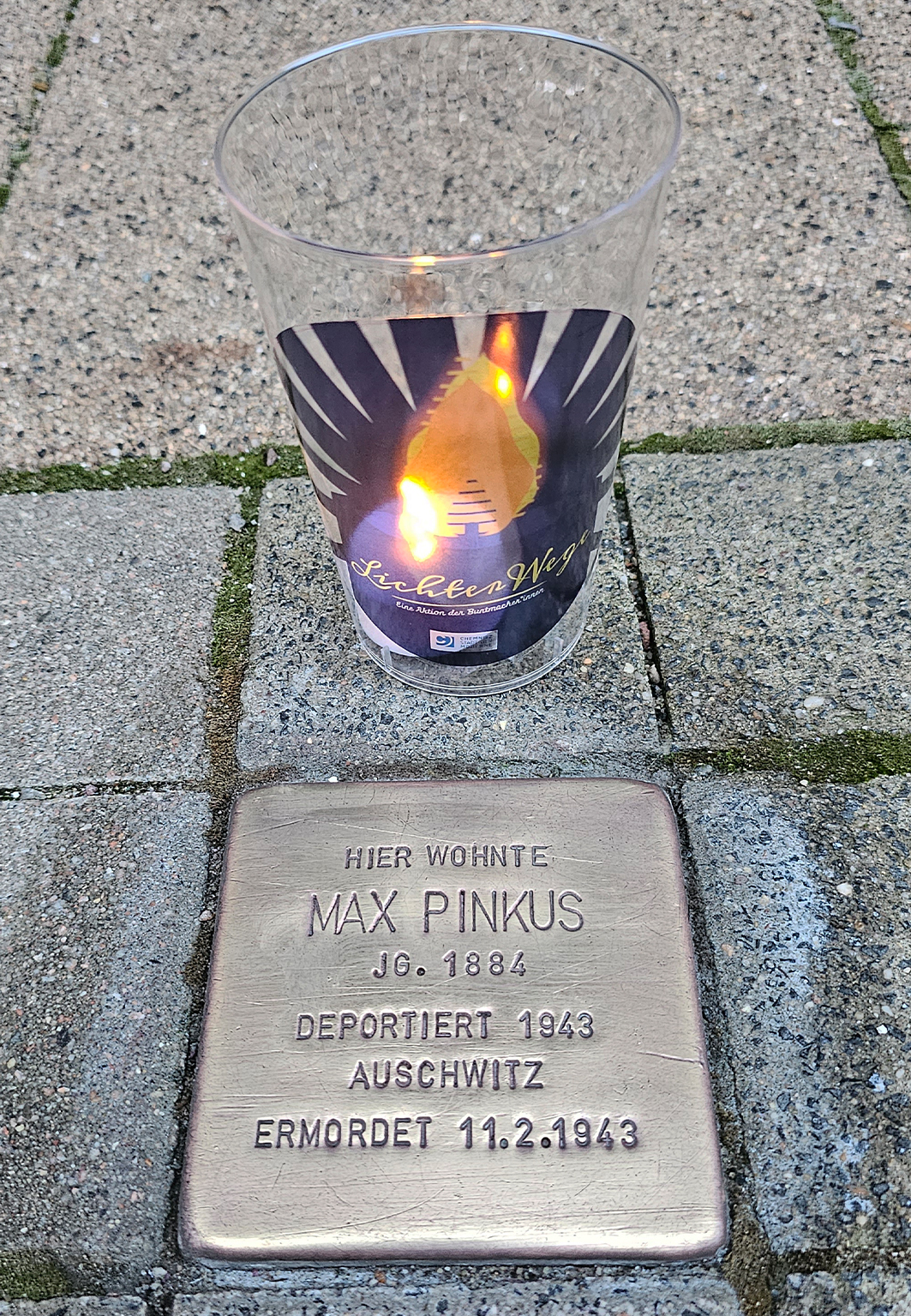
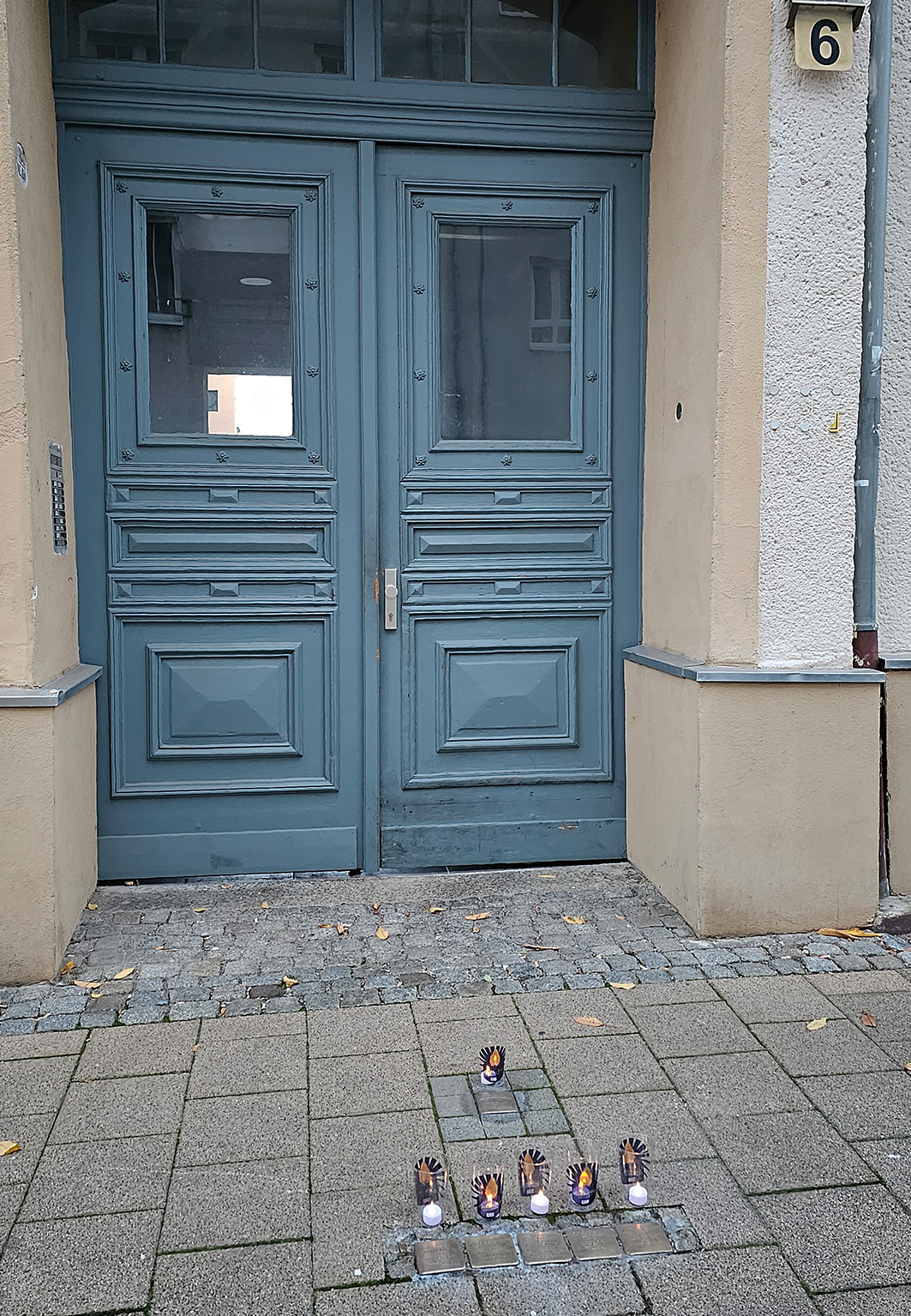
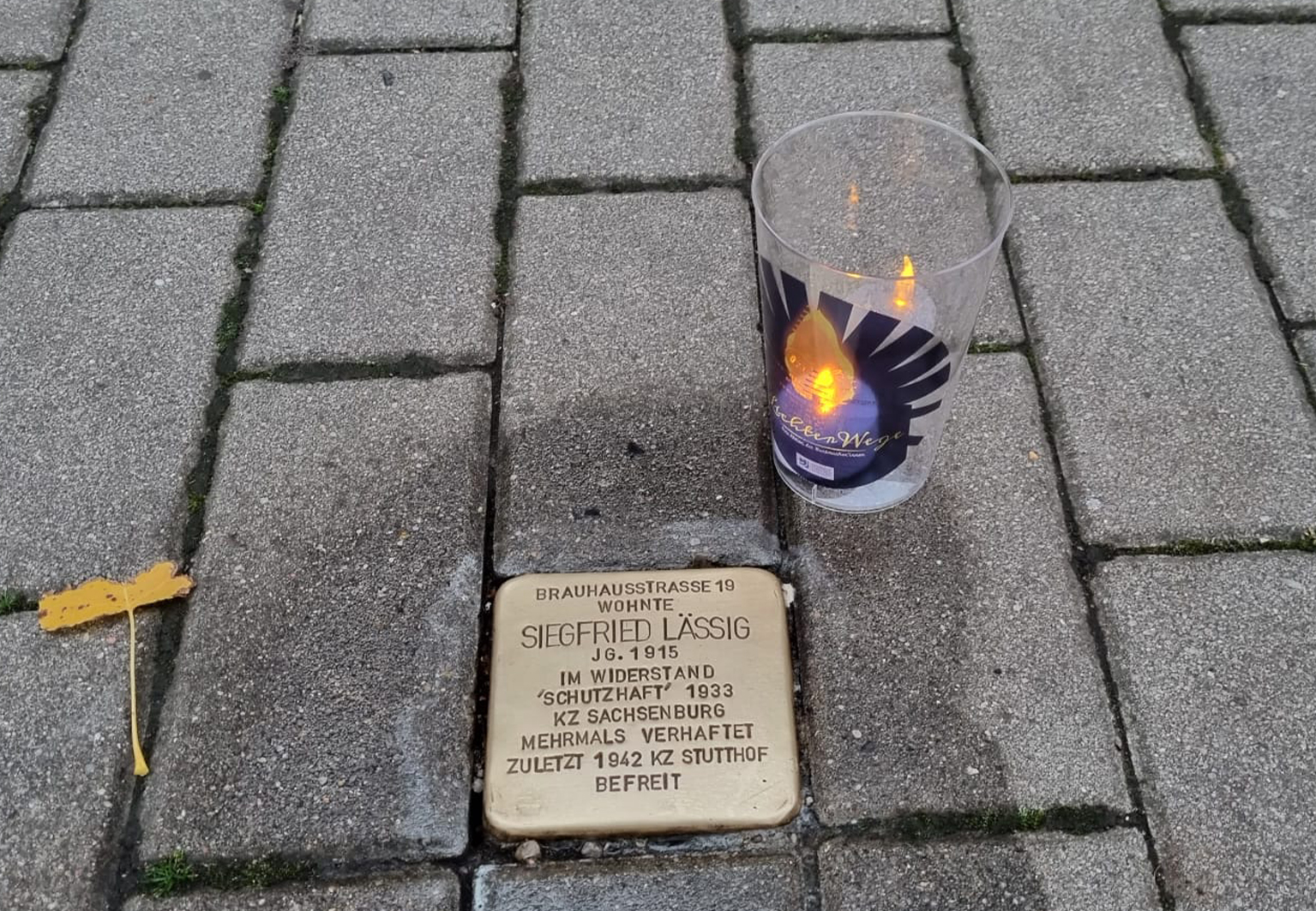
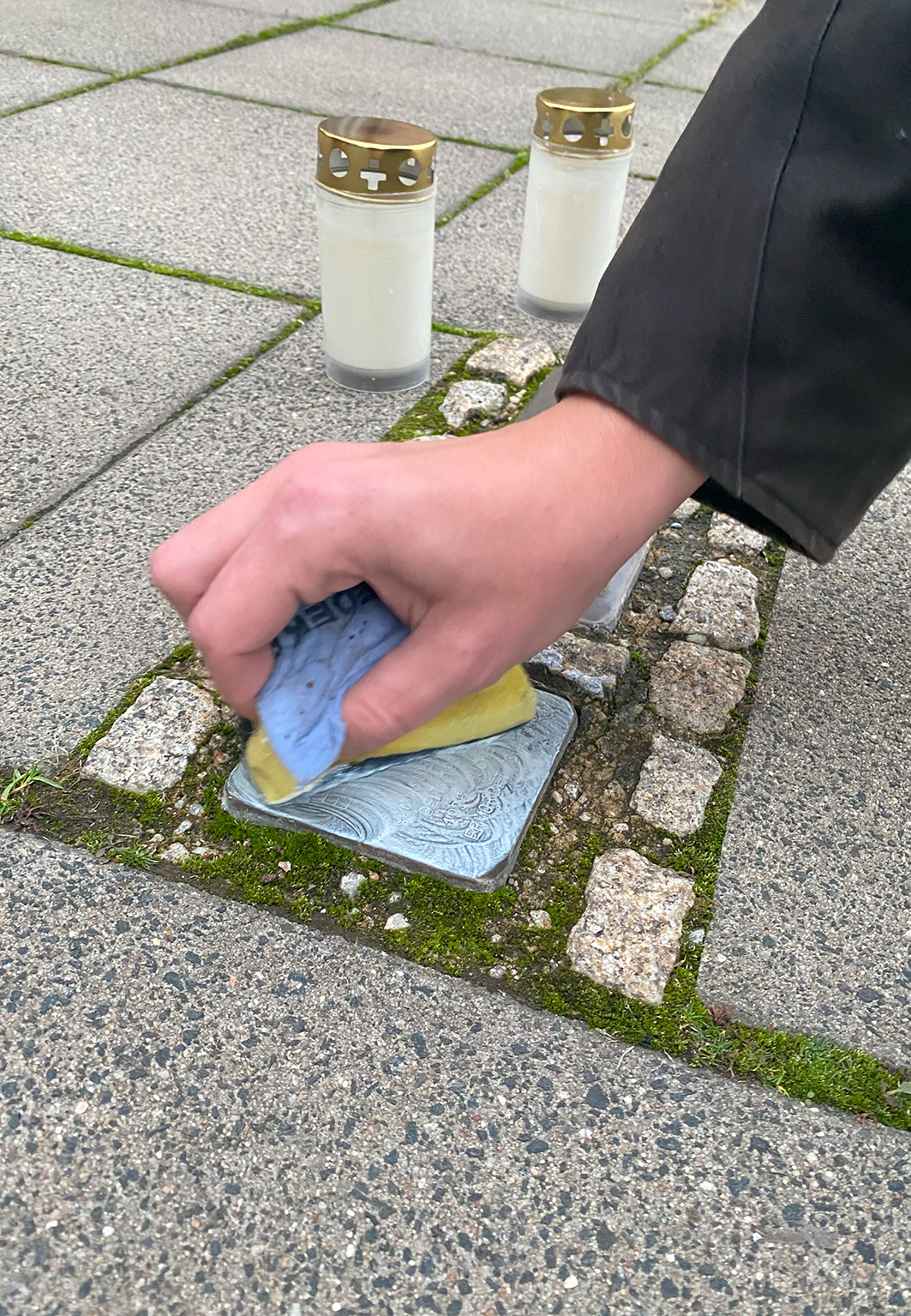
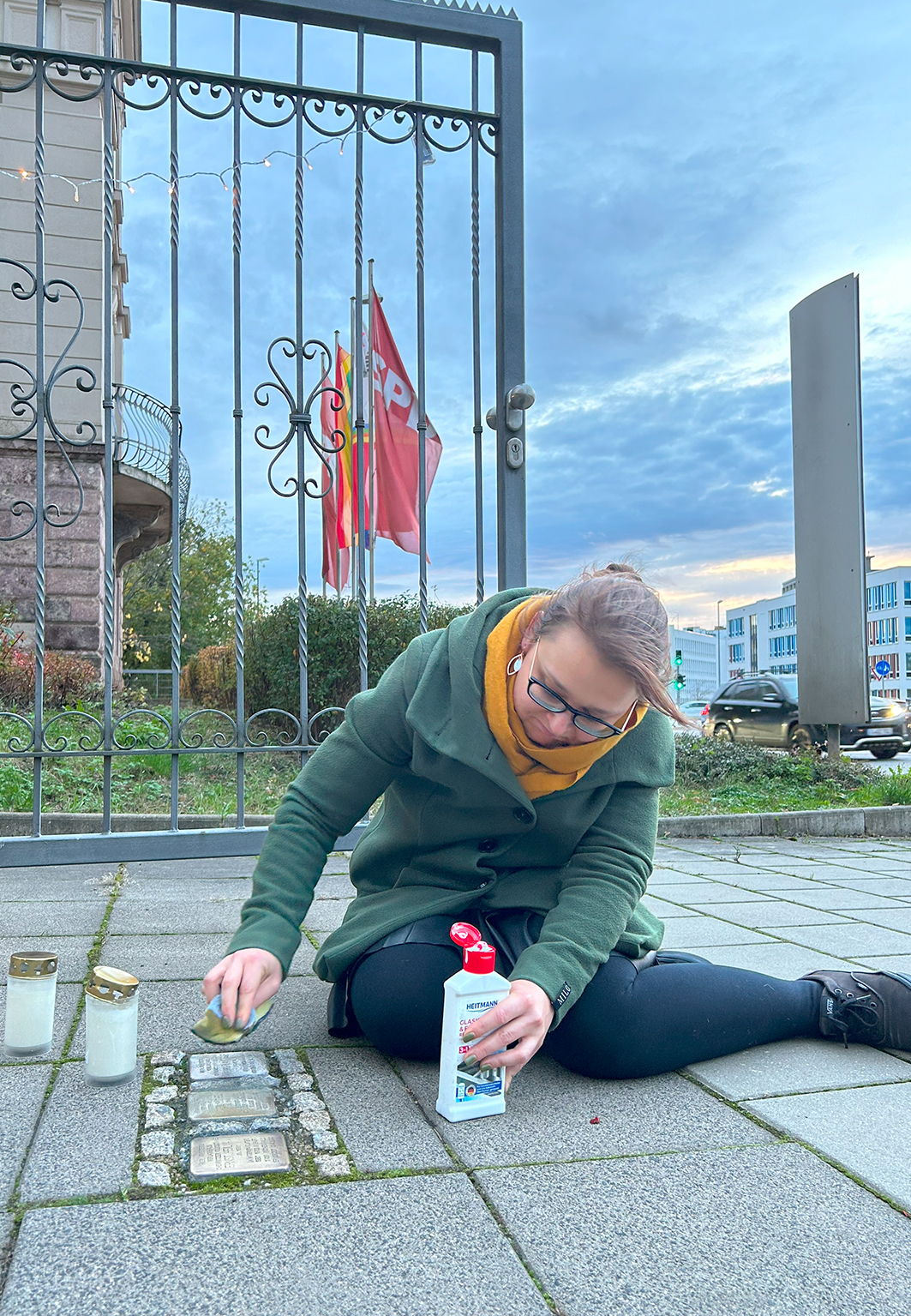
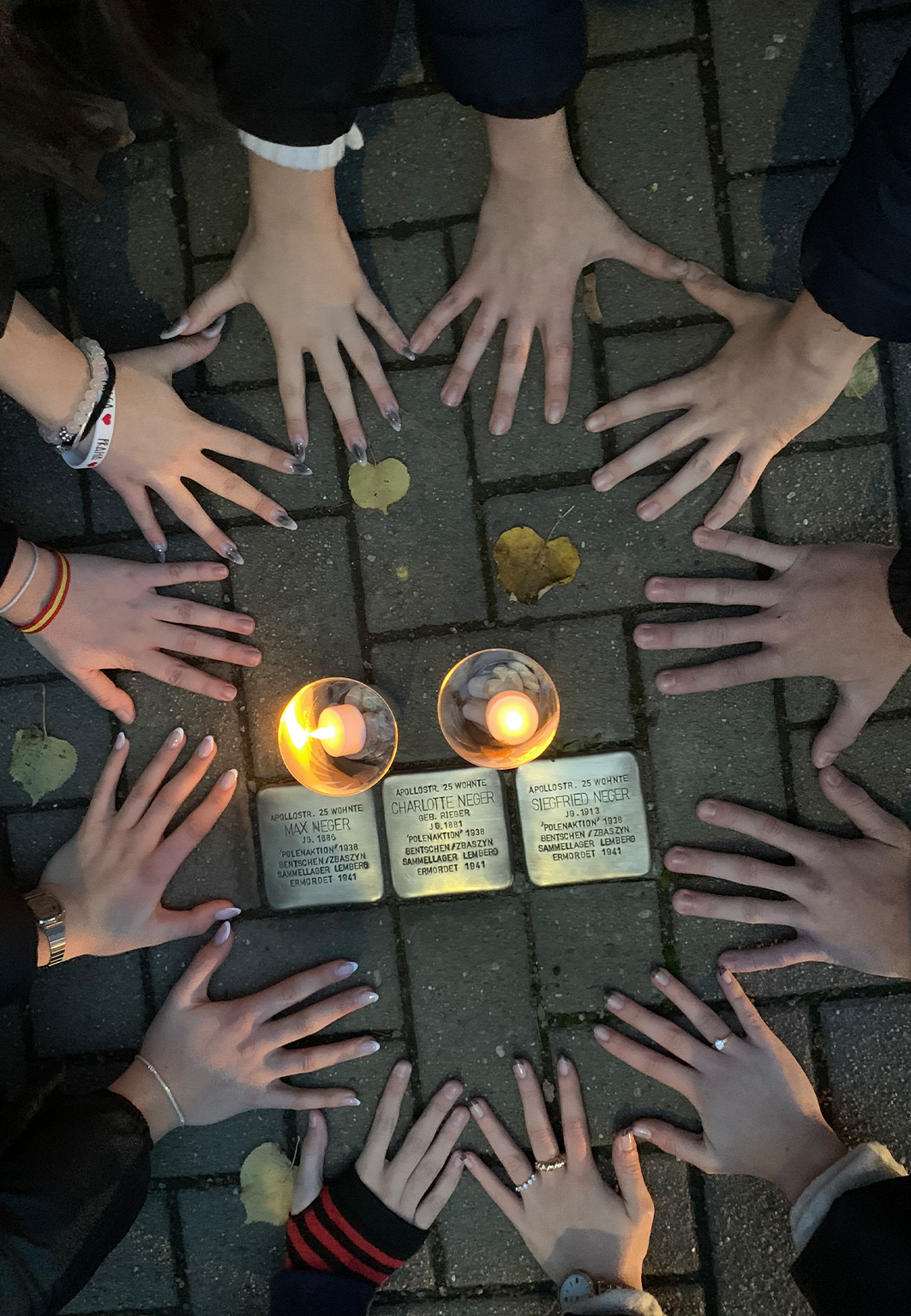
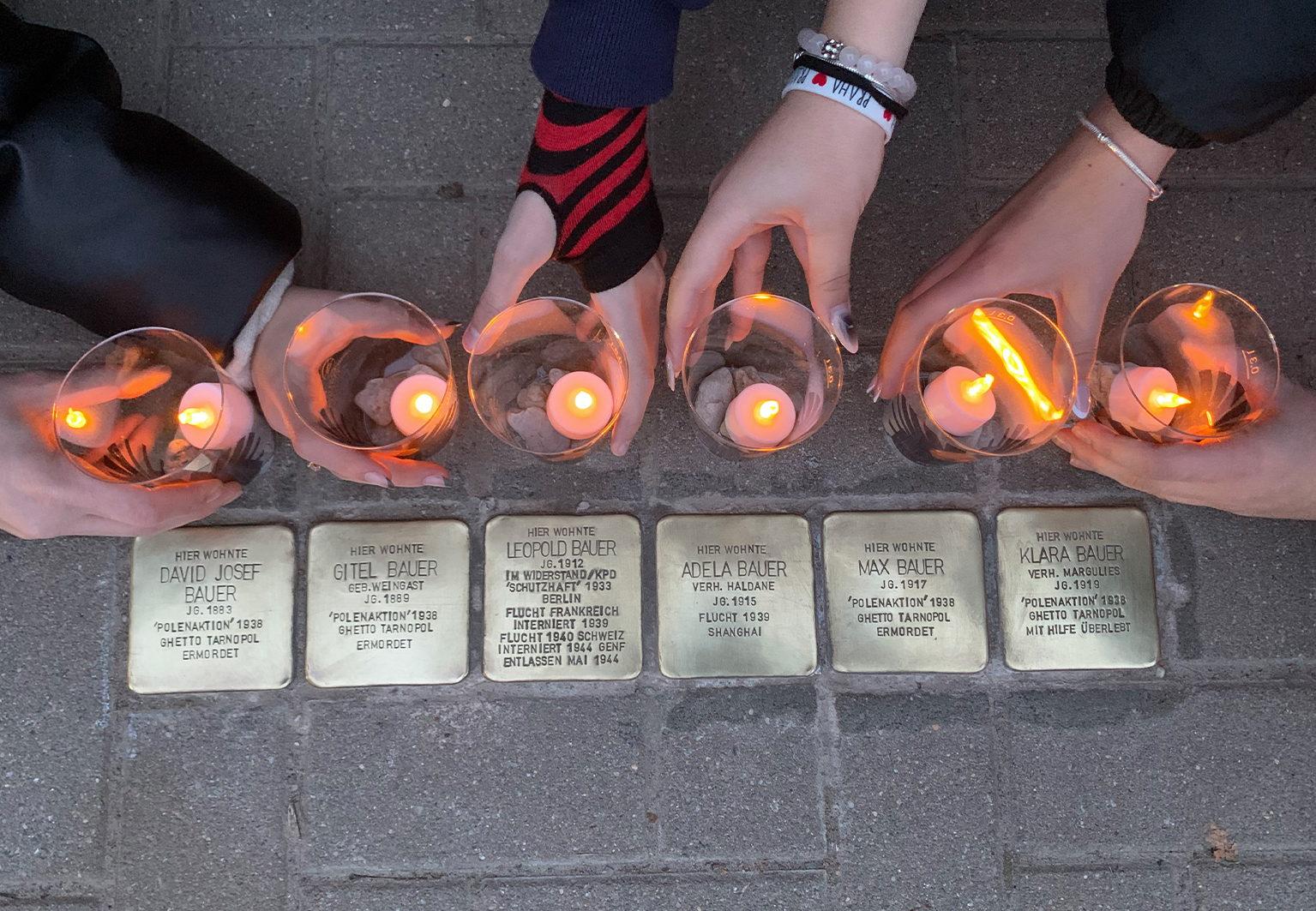
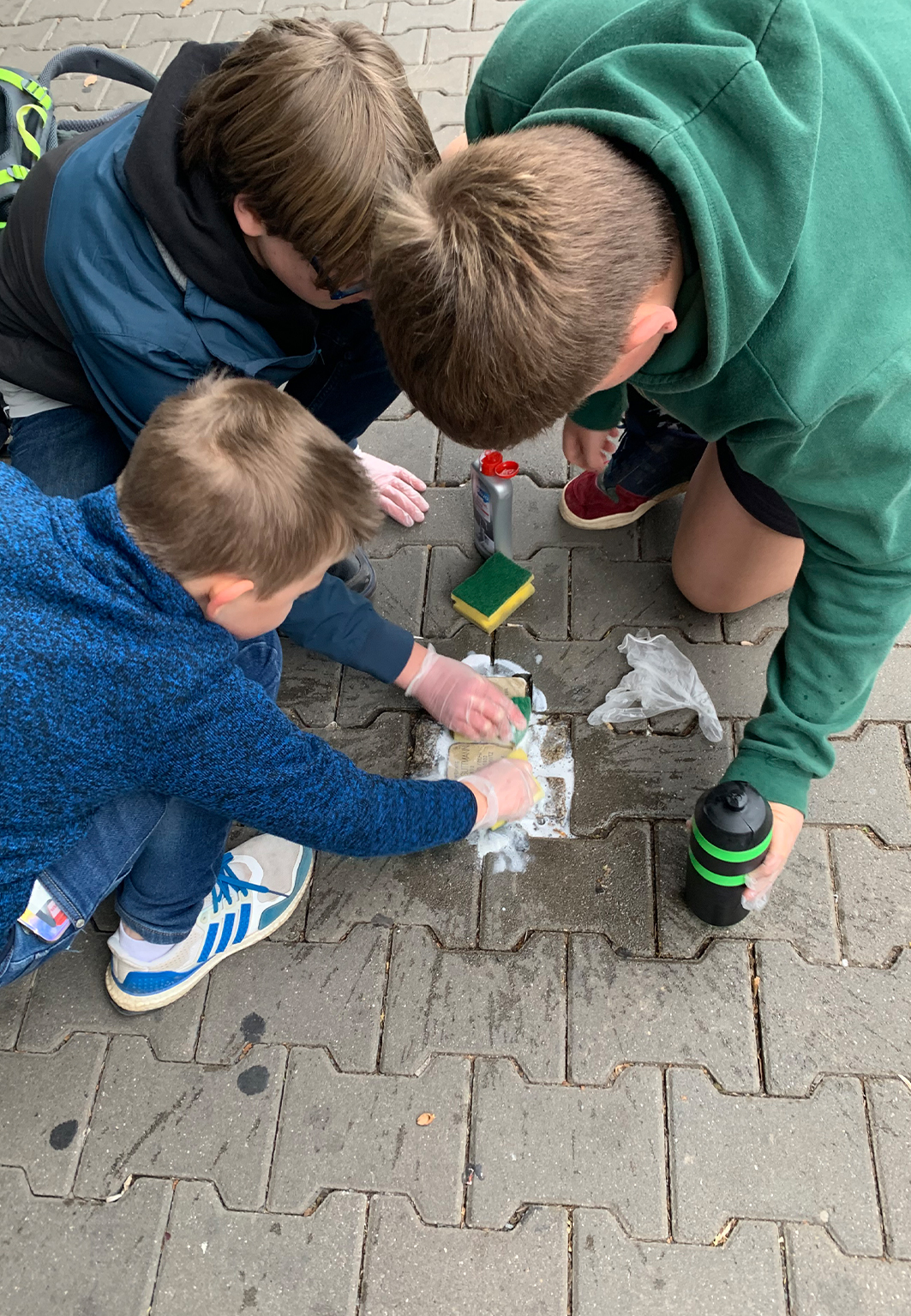
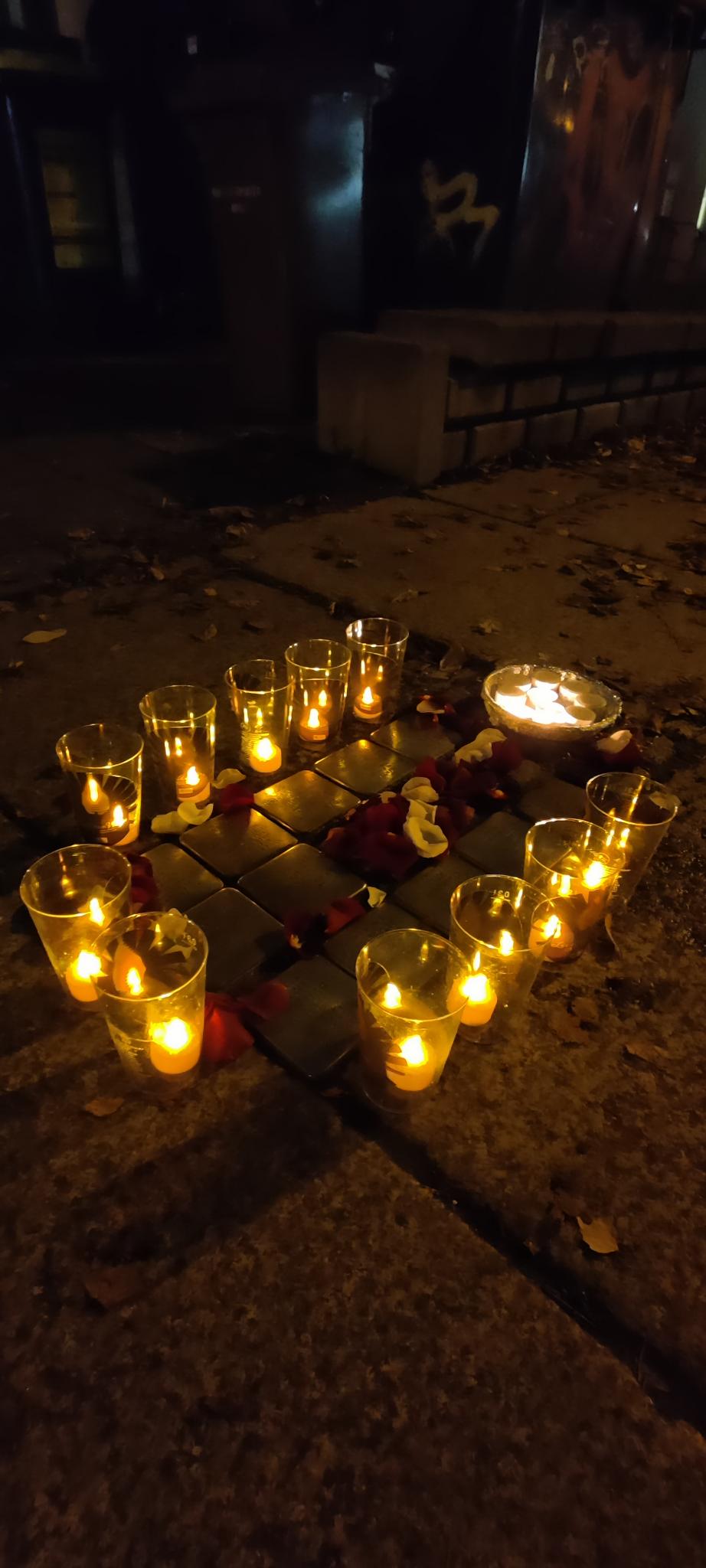
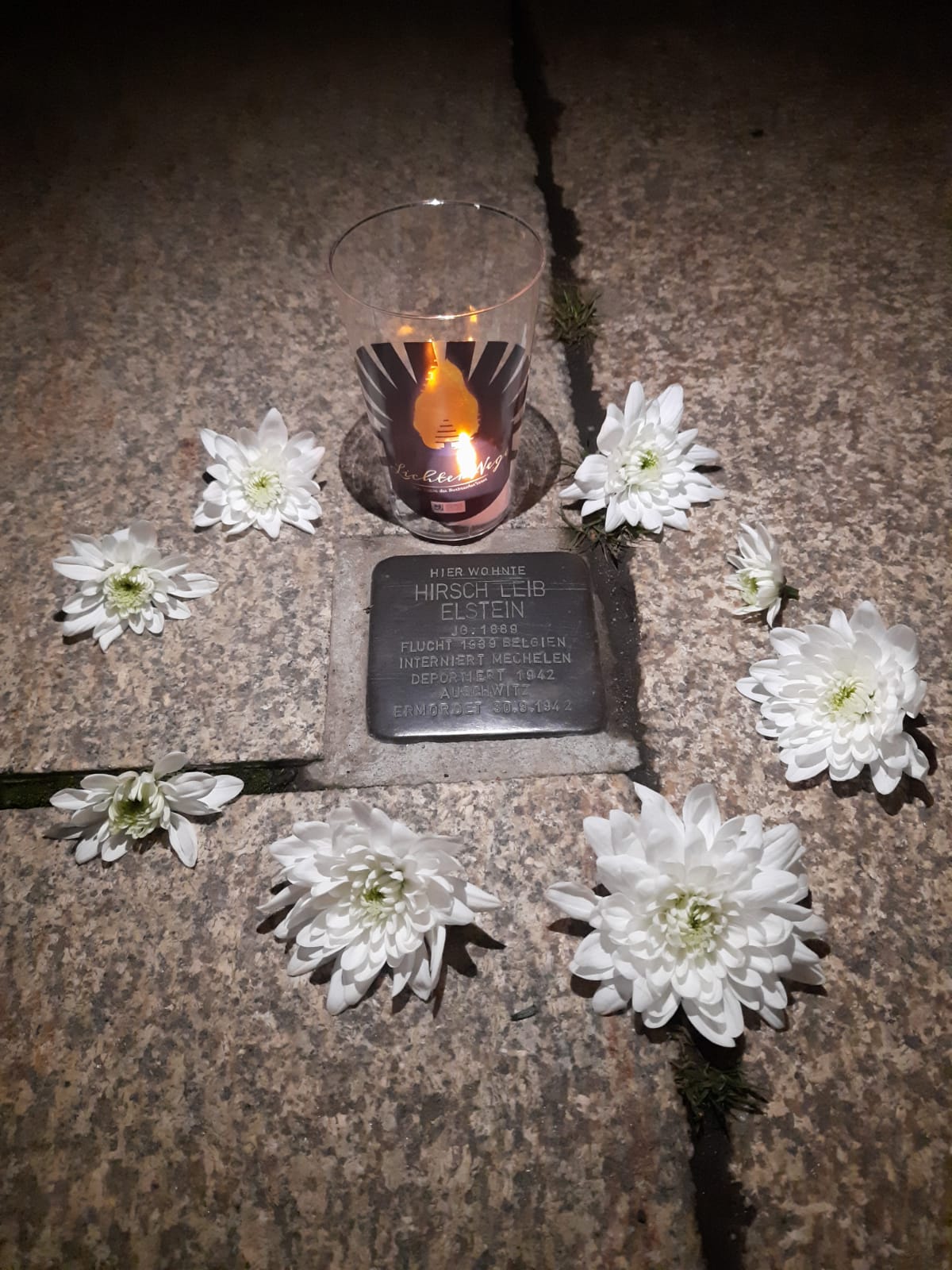
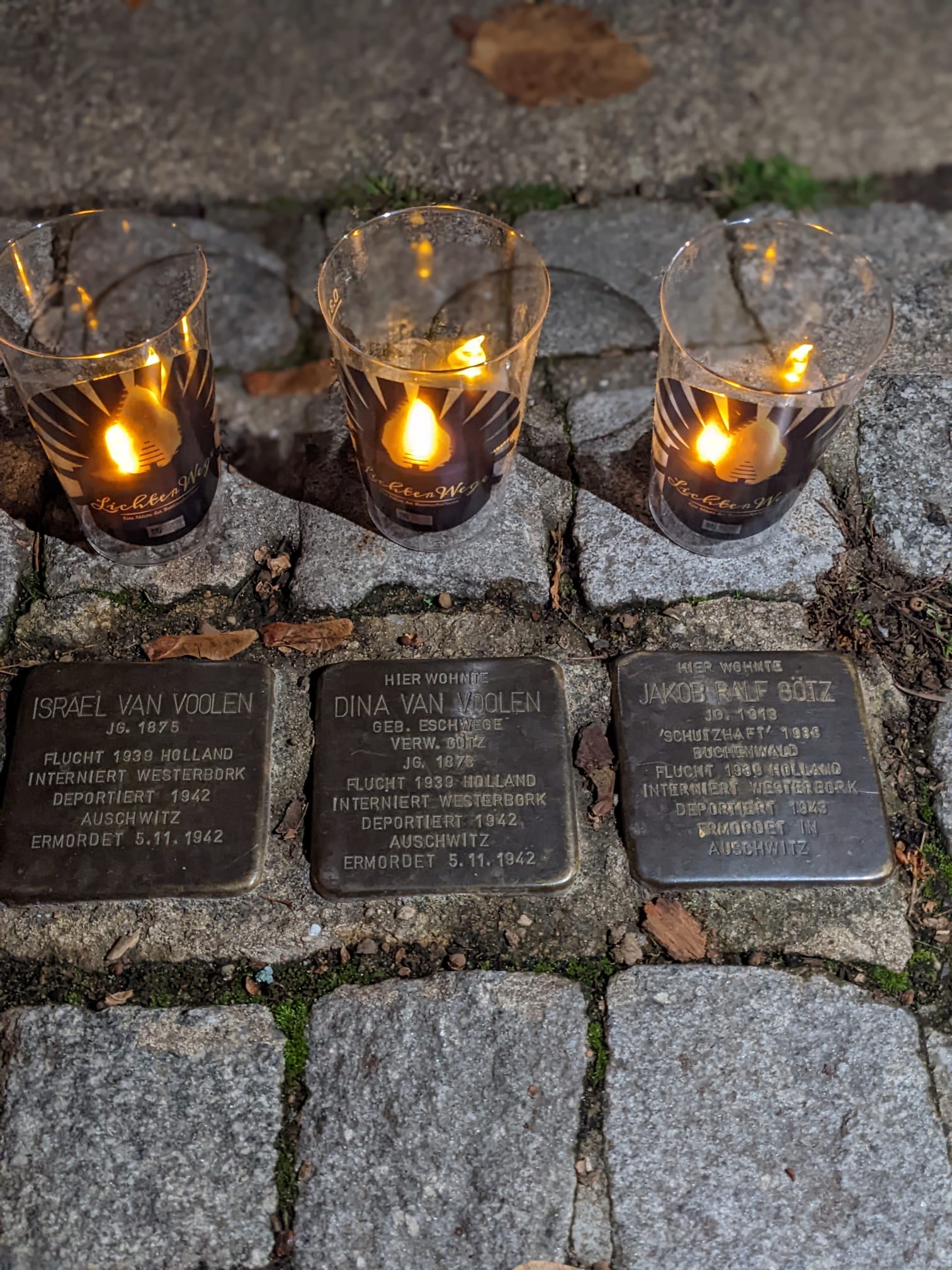
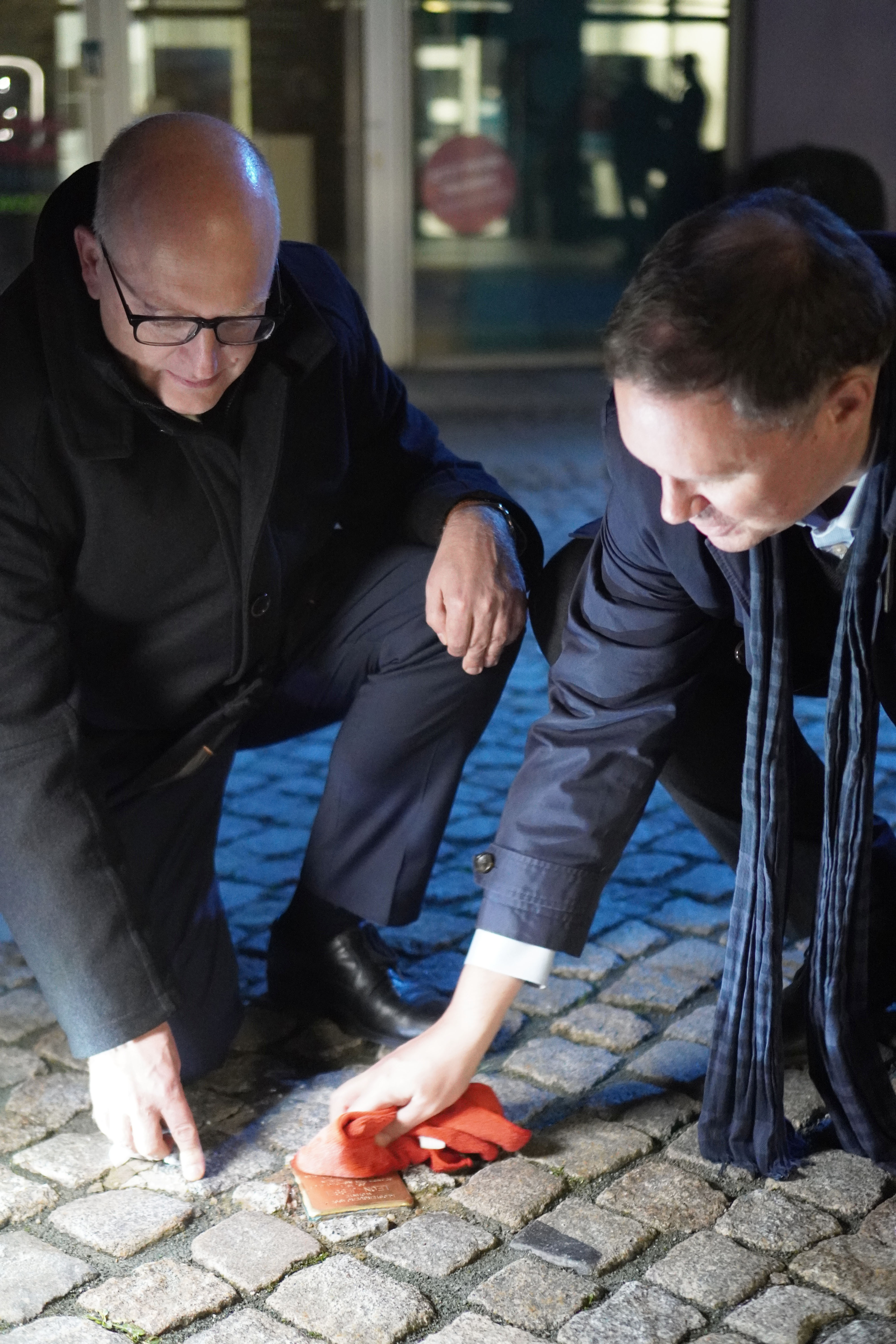
The people of Chemnitz are invited to clean and illuminate the Chemnitz Stolpersteine in memory of the victims of Nazi tyranny. The locations of the Stolpersteine that have already been laid can be found at www.chemnitz.de/stolpersteine.
Anyone wishing to take part can contact the organisers by email (info@buntmacherinnen.eu) by 20 October.
An evening commemorating the November pogroms of 1938
9 November, 6.30 pm
Venue: Hartmannfabrik, Fabrikstraße 11, 09111 Chemnitz
In a letter dated 16 November 1938 to the world-famous violinist Bronisław Huberman, the Jewish industrialist Karl Goeritz commented on the events in Germany, writing: “What is happening in Germany is the Dark Ages at their worst.” To mark the conclusion of this year’s ‘Lichterwege’, an event at the Hartmannfabrik will focus on the horrific events of those autumn and winter days eighty-eight years ago – the ‘catastrophe before the catastrophe’. Eyewitness accounts and contemporary testimonies will be interwoven with
original recordings from Jewish record companies in Berlin, creating a gripping and harrowing narrative. Stella Maria Adorf, whose grandmother was a close friend of Karl Goeritz, will be a guest at the event.
A collaboration between Buntmacher*innen e.V. and the City of Chemnitz as part of the themed year ‘Tacheles – Year of Jewish Culture in Saxony’. Funded by the City of Chemnitz’s Cultural Promotion Programme and the Cultural Foundation of the Free State of Saxony. This initiative is co-financed by tax revenue on the basis of the budget adopted by the Saxon State Parliament.

On Sunday, 9 November at 3 pm, the city of Chemnitz will commemorate the victims of the Reichspogromnacht on 9 November 1938 and the six million Jewish people murdered during the fascist tyranny. Lord Mayor Sven Schulze will lay a wreath at the stele on Stephanplatz, the former site of the Chemnitz synagogue. Dr Ruth Röcher, Chairwoman of the Jewish Community, and Dr Herbert Lappe, descendant of a Jewish family from Chemnitz, will also speak. The choir of the Jewish Community of Chemnitz will perform music at the public commemoration ceremony.
Note on road closures:
Due to the commemoration at the stele on Stephanplatz, Reichsstraße will be completely closed between Zwickauer Straße and Weststraße on Sunday, 9 November, from 2.30 pm to approx. 4 pm. A bypass is possible via Weststraße - Zwickauer Straße or alternatively via Leipziger Straße - Hartmannstraße - Theaterstraße - Falkeplatz - Zwickauer Straße. The police will provide additional operational security for the event. CVAG will announce any changes to bus services separately.
EXHIBITIONS
“Jiskor – a pearl for every child”
11 October to 22 November 2026
Venue: St Jakobi Town and Market Church, Jakobikirchplatz 1, 09111 Chemnitz

The installation by Swiss artist Eve Stockhammer, featuring a curtain made up of 1.5 million glass beads, serves as a memorial to the countless children who lost their lives during the Nazi persecution.
“Traces of Success: Jewish Entrepreneurs in Chemnitz”
5 June 2026 – 22 August 2027
Venue: Chemnitz Industrial Museum, Zwickauer Straße 119, 09112 Chemnitz
The exhibition highlights the work of Jewish entrepreneurs, whose innovative spirit and dedication shaped the industrial development of the city of Chemnitz – until their contribution was forcibly brought to an end by expropriation and persecution under National Socialism.
Insights – Jewish Life in Saxony Today
3 November – 13 November 2026
Opening, 3 November 2026, 3.00 pm
Venue: Chemnitz Town Hall, Markt 1, Exhibition Hall
Monday to Thursday 8 am–6 pm, Friday 8 am–4 pm
Three renowned Saxon photographers have explored Jewish life in Saxony. Without claiming to be exhaustive, but with a keen eye and empathy, they have captured people, places and moments. Their photographs offer insights into the diversity of Jewish life in Saxony.
Detained. Deported from Germany 1938–1945
9 November – 18 November 2026
Venue: Chemnitz University of Technology, Lecture Theatre Block C10, Reichenhainer Str. 90, Chemnitz
26 November 2009, 2.00–3.00 pm
Opening and lecture by Dr Ramona Bräu-Herget (Arolsen Archives)

The exhibition “Captured” features a selection of photographs depicting the deportations of Jews, Sinti and Roma, as well as victims of the Nazi “euthanasia” programme. Also on display are the perpetrators and bystanders who were present during the deportations. For deportations were visible; they took place in broad daylight. Many people chose to watch as their neighbours were taken away and, in many cases, to play an active part in the process.
Now more than ever! The re-establishment of the Jewish Community of Chemnitz
24 November 2026 to 14 January 2027
Venue: Chemnitz Town Hall, Exhibition Hall, Markt 1, 09111 Chemnitz
On 7 September 1945, 18 Jewish survivors re-established the Jewish Community in Chemnitz. Just a few months after the end of Nazism and the Shoah, they thus signalled a new beginning.
The exhibition commemorated these people and their courage in rebuilding Jewish life in Chemnitz despite persecution, loss and destruction. Documents and photographs illustrated the emergence of a new community, sustained by solidarity, faith and the desire for a safe home.
FURTHER EVENTS
‘The Trial by Fire – The November Pogrom of 1938’
12 November 2026 – 6.00 pm
Documentary film, West Germany
1988; Directed by Erwin Leiser and Vera Leiser – 80 minutes
Venue: Event hall at TIETZ (Moritzstr. 20, 09111 Chemnitz)
Erwin Leiser, who witnessed the November pogroms in Berlin as a 15-year-old and managed to flee to Sweden in early 1939, does not confine himself in his film to the few sparse documentary recordings from that period. Through extremely thorough research, he has succeeded in finding and interviewing a number of interesting eyewitnesses. By combining historical footage and texts with the eyewitnesses’ accounts of their personal experiences, the tragedy loses its anonymity and thus becomes particularly poignant and vivid for the viewer.
A joint event organised by Buntmacher*innen e.V. and Chemnitz City Library as part of the themed year ‘Tacheles – Year of Jewish Culture in Saxony’. Funded by the Local Action Plan for Democracy, Tolerance and a Cosmopolitan Chemnitz, as part of the federal programme ‘Demokratie leben!’, through the State Prevention Council of the Free State of Saxony.
An Essay on My Grandfather
14 November 2026 – 8.00 pm
Venue: Chemnitz Puppet Theatre
Spinnbau, Altchemnitzer Straße 27, 09120 Chemnitz

A research project by the Chemnitz Puppet Theatre
Tired of the silence and the gaps in her family’s history, Frida sets out to trace her grandfather’s life. She pieces together his life story using family accounts, photo albums and the voices of contemporary witnesses. Until 1938, her grandfather lived as a respected district doctor near Reichenberg (now Liberec). Later, he became increasingly caught up in the Nazi maelstrom and was appointed to Lemberg (now Lviv) in 1942 as an ‘epidemic specialist’. After the war, he was arrested, put on trial and lost his homeland. The production combines biographical and documentary material and sheds light on German history and its aftermath from the perspective of family history.
Tickets available at: www.theater-chemnitz.de/spielplan
A journey through the city’s history from a Jewish perspective
20 November 2026 – 5.00 pm
Venue: Schloßbergmuseum, Schloßberg 12, 09113 Chemnitz
The exhibition tells the story of Chemnitz from the 12th to the 20th century, with the guided tour focusing on the lives and work of Jewish men and women in Chemnitz.
Jewish entrepreneurs, citizens and jobseekers shaped the development of this industrial city and contributed to the establishment of important institutions. The Nazi dictatorship destroyed this Jewish community, and the new beginning after 1945 was also difficult for the survivors and those who returned.
Review of past Stumbling Stone cleaning campaigns
Action 2023
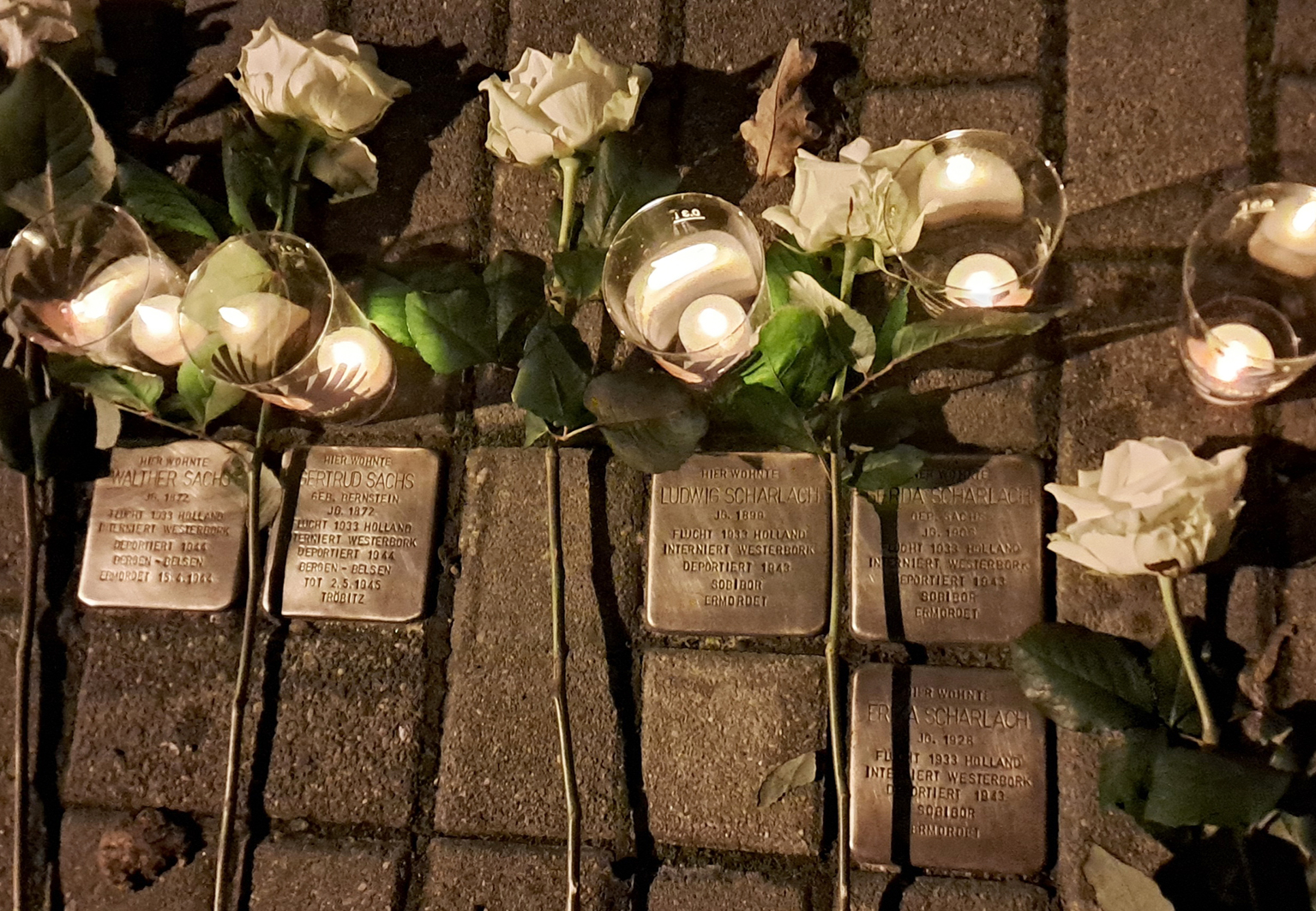
Review of past Stumbling Stone cleaning campaigns
Action 2022
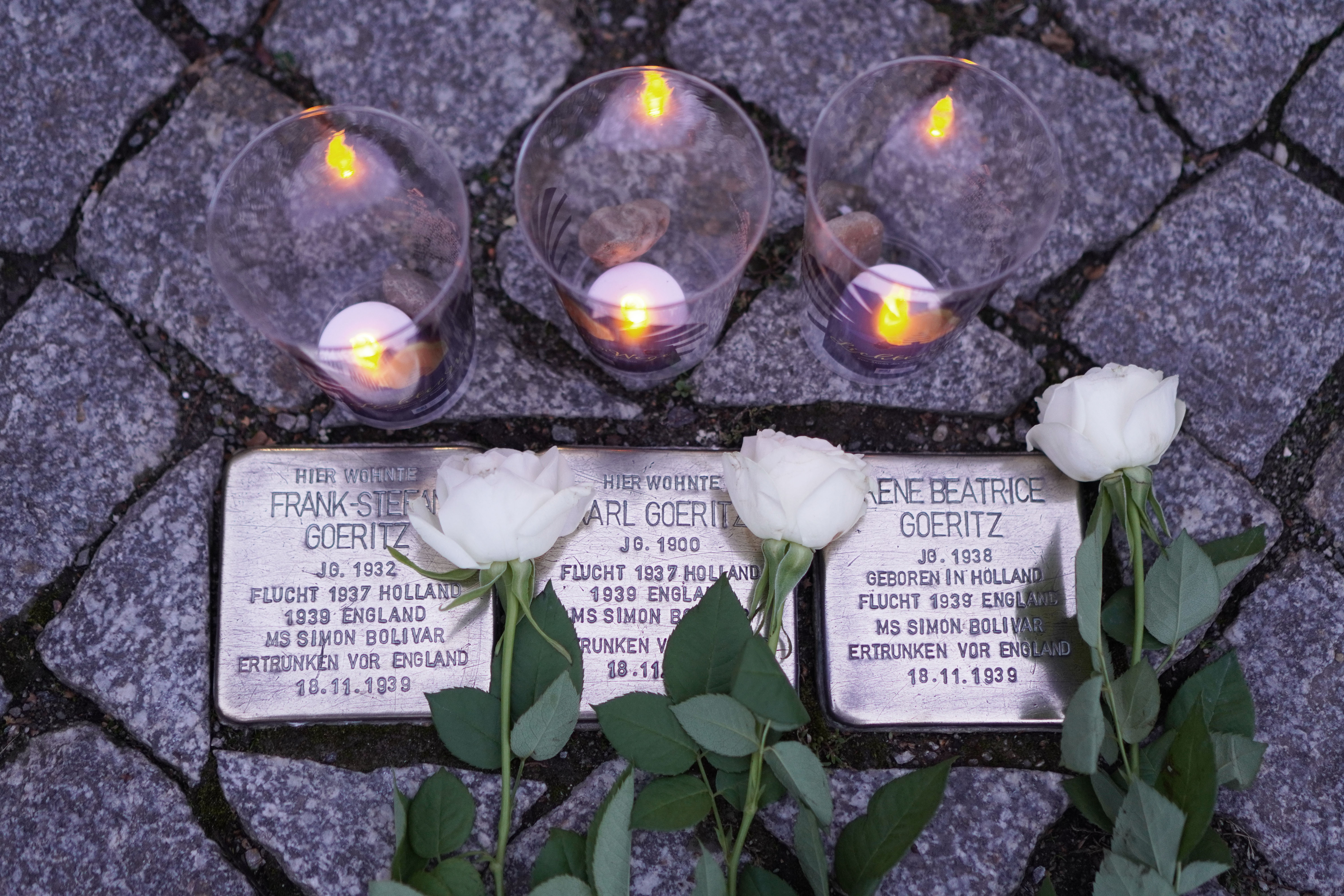
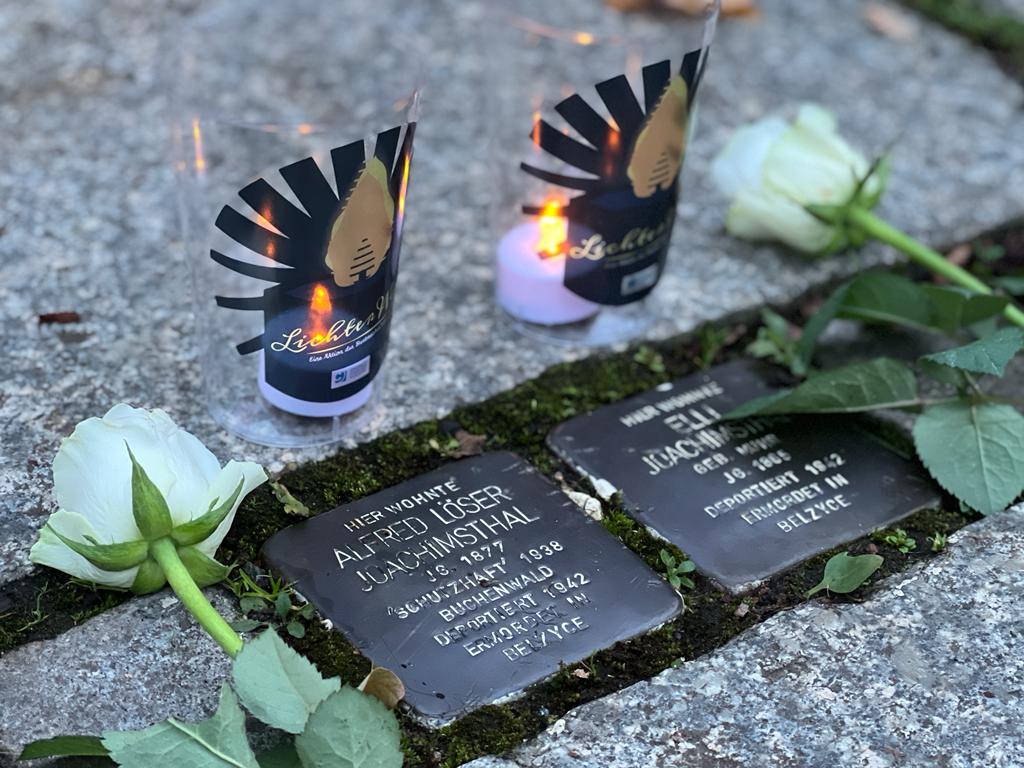
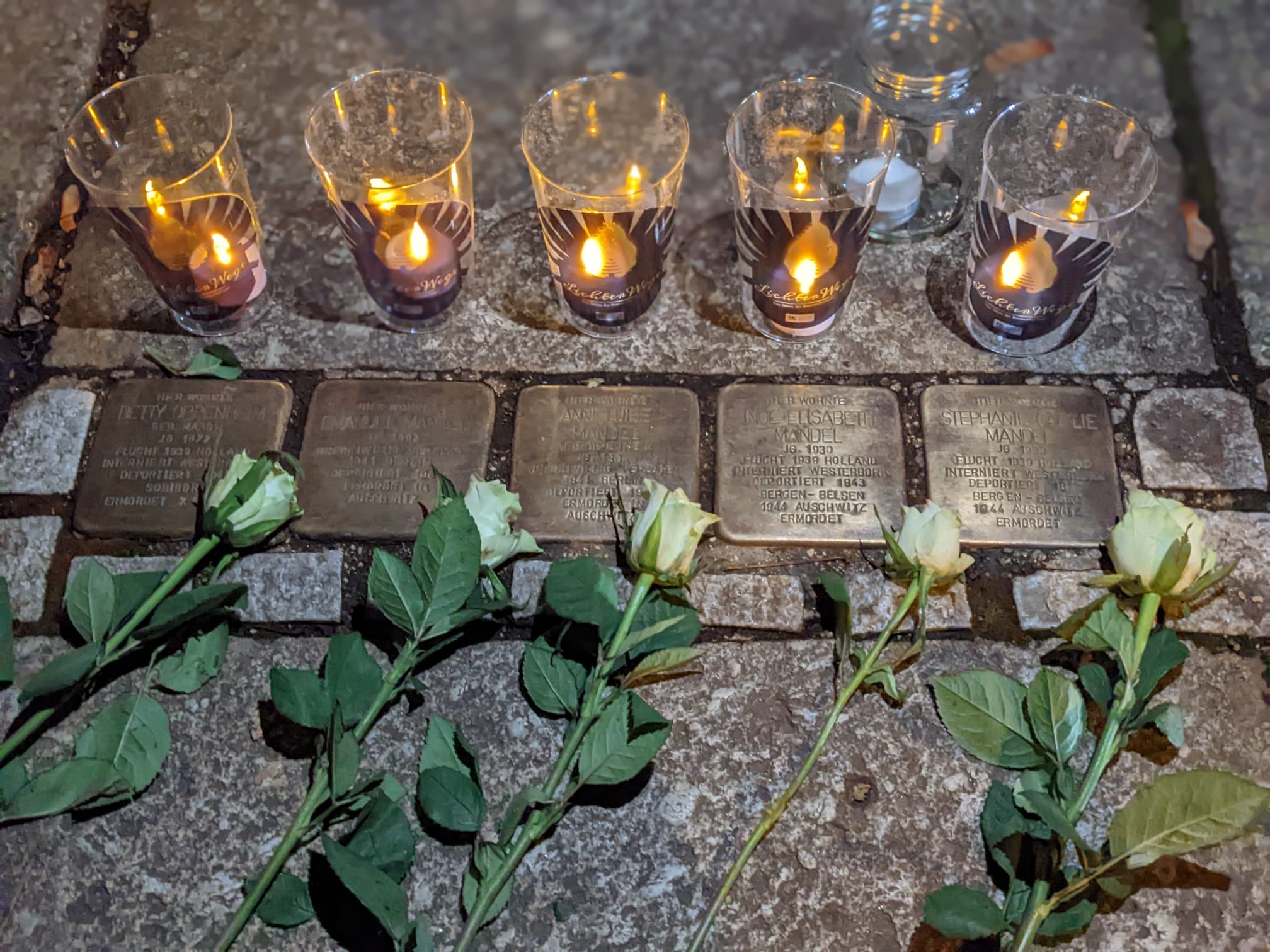
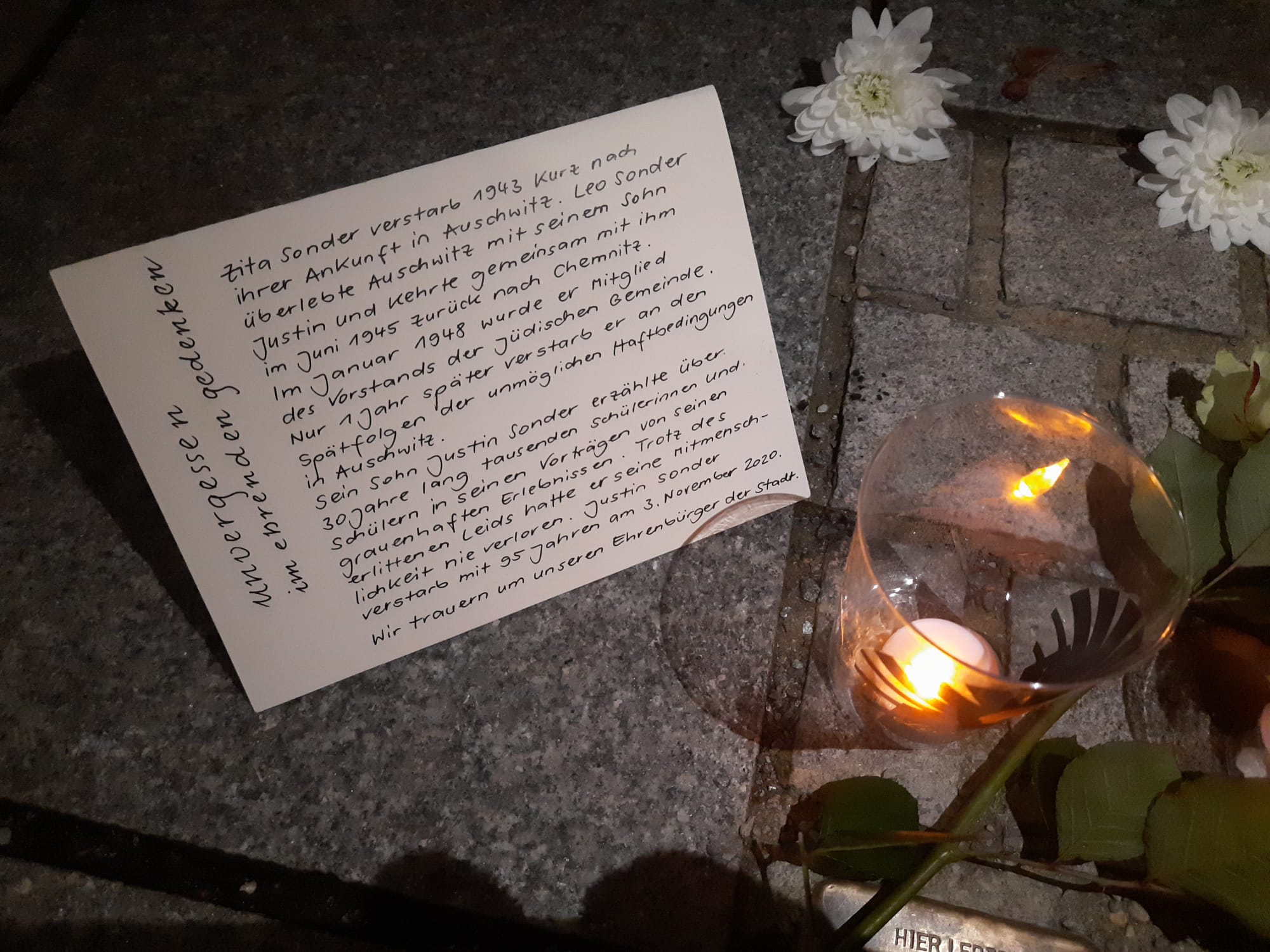
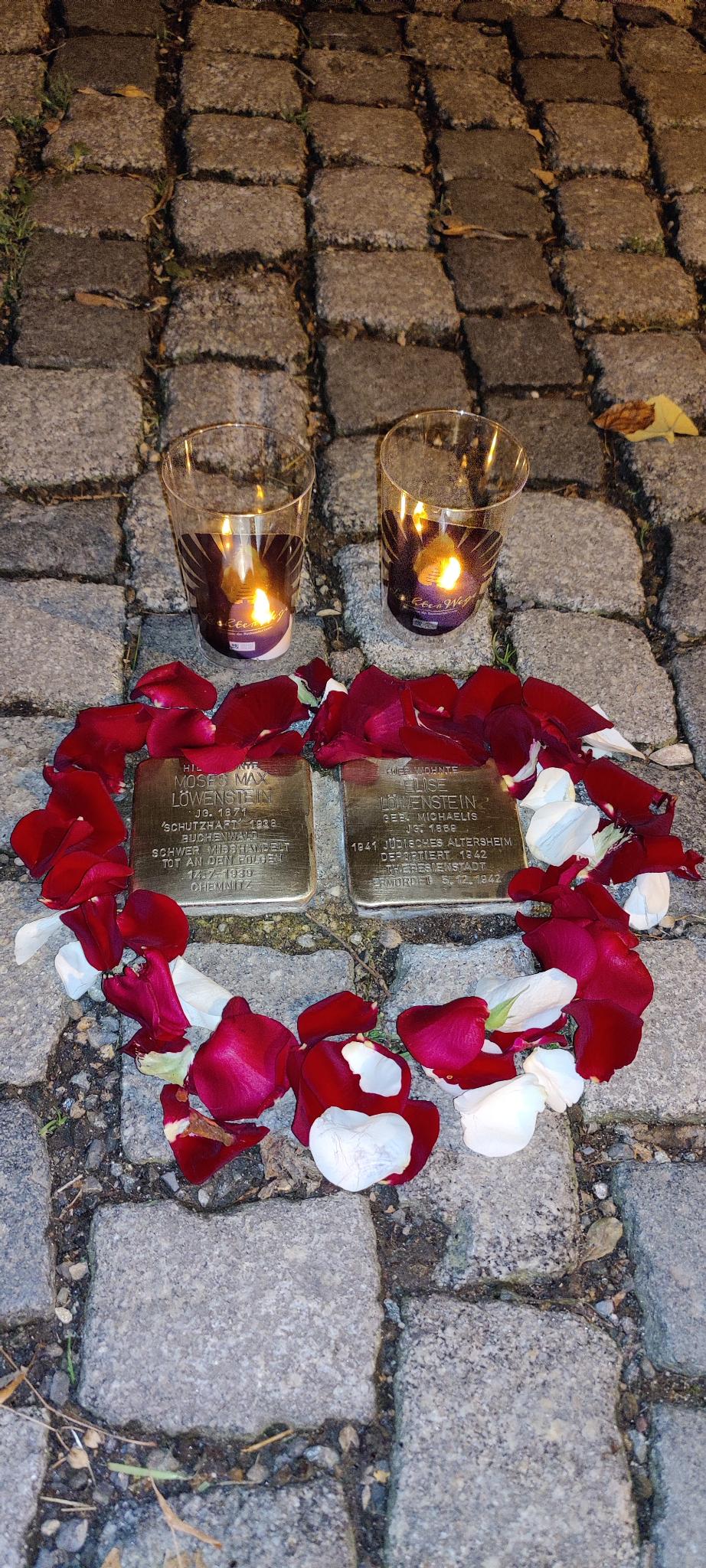
Action 2021