

Our city

City portrait

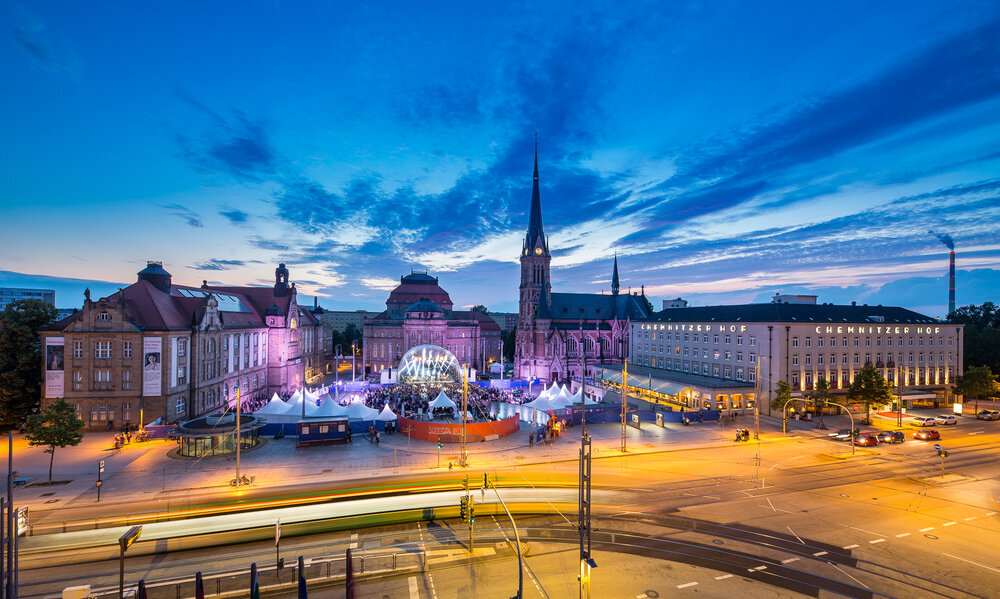
Chemnitz has a unique history to tell – one of groundbreaking inventions in the automotive, mechanical engineering and textile industries, as well as of courageous entrepreneurs such as Richard Hartmann, Carl Gottlieb Haubold and Louis Schönherr. As a modern industrial city, Chemnitz has continued to build on this history and is now one of Germany’s fastest-growing cities.
moreHistory

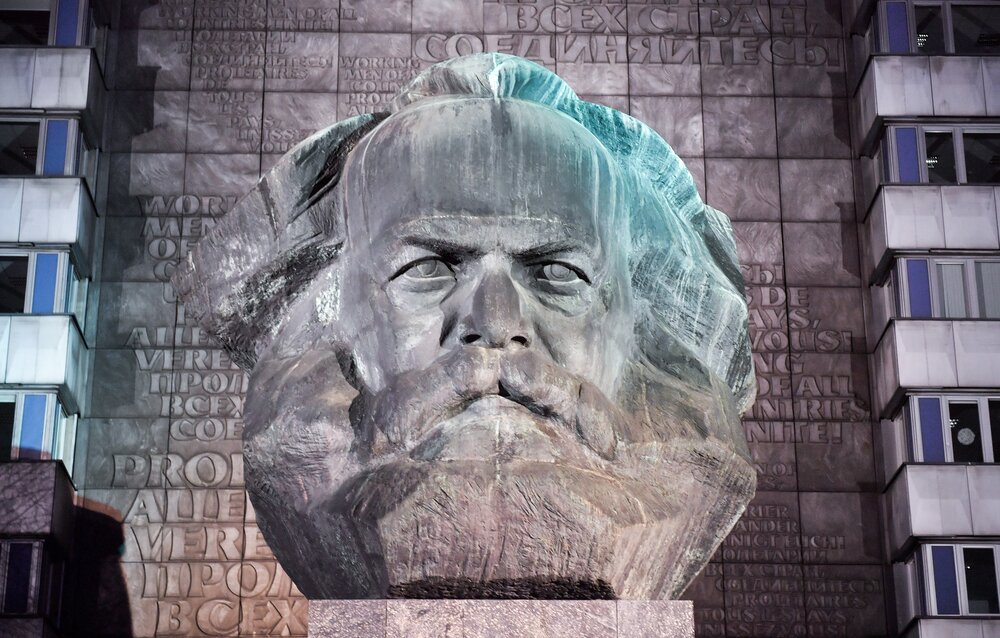
Chemnitz was first mentioned in a document in 1143. During the industrialisation era, the city developed into one of Germany’s most important industrial centres. Between 1953 and 1990, Chemnitz was known as Karl-Marx-Stadt. The Chemnitz City Archives are open during opening hours to anyone interested in the city’s history or wishing to research their own family history.
moreHonorary citizen

Pilot and cosmonaut Siegmund Jähn, figure skater Katarina Witt, skating coach Jutta Müller, writer Stefan Heym, the long-serving Lord Mayor Dr Peter Seifert and the former director of the Chemnitz Art Collections, Ingrid Mössinger – they are all honorary citizens of the city of Chemnitz.
moreChemnitz International

Chemnitz has friendly ties with twelve twin towns. The EU unit within the Office of the Lord Mayor of Chemnitz coordinates and supports transnational EU projects run by the city, Chemnitz-based associations and institutions, and provides advice on funding opportunities.
moreUrban development

Chemnitz is preparing for the future! What will Chemnitz look like in 2035? These and other questions about the future are to be discussed as part of the process to develop the Chemnitz 2035 Integrated Urban Development Concept, involving politicians, the local authority, residents and other stakeholders actively involved in Chemnitz’s development.
moreTransport

By linking tram and railway lines, the Chemnitz model offers direct connections between the regional centre of Chemnitz and the surrounding area. Cycling represents an efficient and environmentally friendly form of transport. Car-sharing schemes are now also becoming established in Chemnitz.
moreOrder and security

Alongside information on the professional fire service and the voluntary fire brigades, the issue of flood protection is a key priority. The Municipal Prevention Council is tasked with developing effective strategies for the prevention and deterrence of crime. The City of Chemnitz’s Police Regulations serve to ensure public safety and order.
moreEnvironment

Our environment provides the basis for life for all living things on this planet. Treating it with care is a particular challenge in areas with high levels of traffic and population density, such as the city of Chemnitz. Environmental protection encompasses all measures taken to safeguard our environment and serves to preserve our natural resources.
moreGreen city

The public green spaces in the city of Chemnitz provide space for relaxation and leisure activities. They are used for sporting activities and serve as a venue for many events and private get-togethers.
moreDiscover Chemnitz!

Art and culture, industrial heritage, sport and leisure – Chemnitz offers a surprisingly impressive variety. Ever since we were European Capital of Culture last year, the city has demonstrated just how much creative potential it possesses.
moreChemnitz 2025

The 2025 Capital of Culture year has come to an end, but its impact endures. The 2026 ‘Bridge Year’ marks the transition from an extraordinary event to the long-term consolidation of the projects, networks and initiatives that have emerged.
morePeace Day

Every year on 5 March, Chemnitz takes a stand for peace: numerous events and activities organised as part of Chemnitz Peace Day commemorate the destruction of the city during the Second World War.
more