

ECoC Echo – Knowledge Transfer Seminar

For three days, the city of Chemnitz hosted international guests from former, current and future European Capitals of Culture (ECoC).
At the knowledge-sharing seminar organised by the ECoC Echo project, around 50 representatives from the worlds of politics, culture, business and public administration – from Chemnitz as well as Leeuwarden 2018, Novi Sad 2022, Veszprém 2023, Tartu 2024, Oulu 2026, Liepāja 2027, Évora 2027 and Bourges 2028 to discuss Chemnitz’s legacy as the European Capital of Culture 2025.
The three-day conference programme combined strategic insights and discussions. Participants also visited the intervention sites of Stadtwirtschaft and Hartmannfabrik, as well as the Ore Mountains region, stopping off at Oelsnitz and Leukersdorf. This gave them an understanding of the legacy process of Chemnitz 2025. The seminar served as a platform to analyse the transition from the title year, through the bridge year, to long-term urban and regional development.
During the conference, participants exchanged views on what had worked well during their respective Capital of Culture years and what lessons future Capitals of Culture could learn from the challenges encountered.
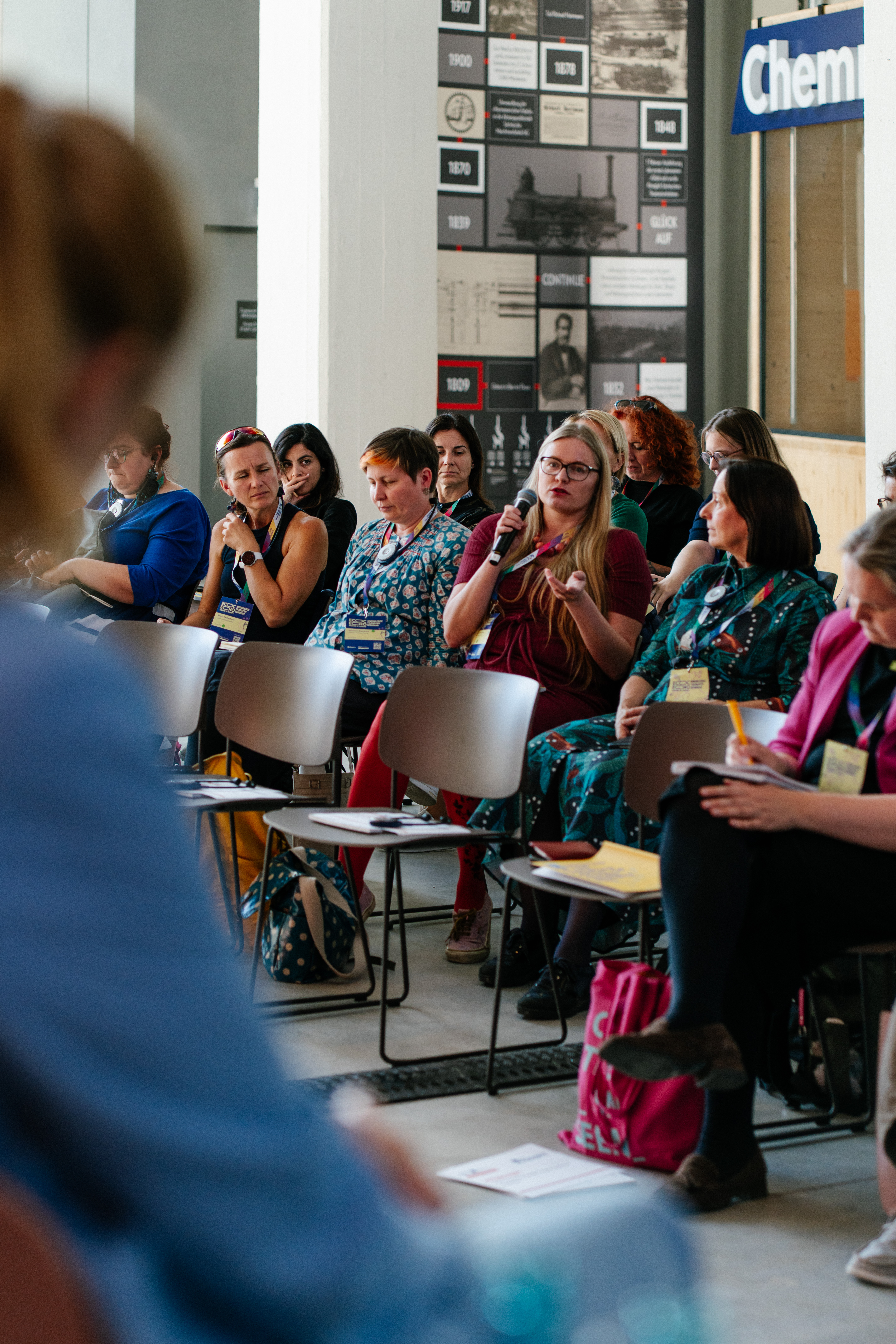
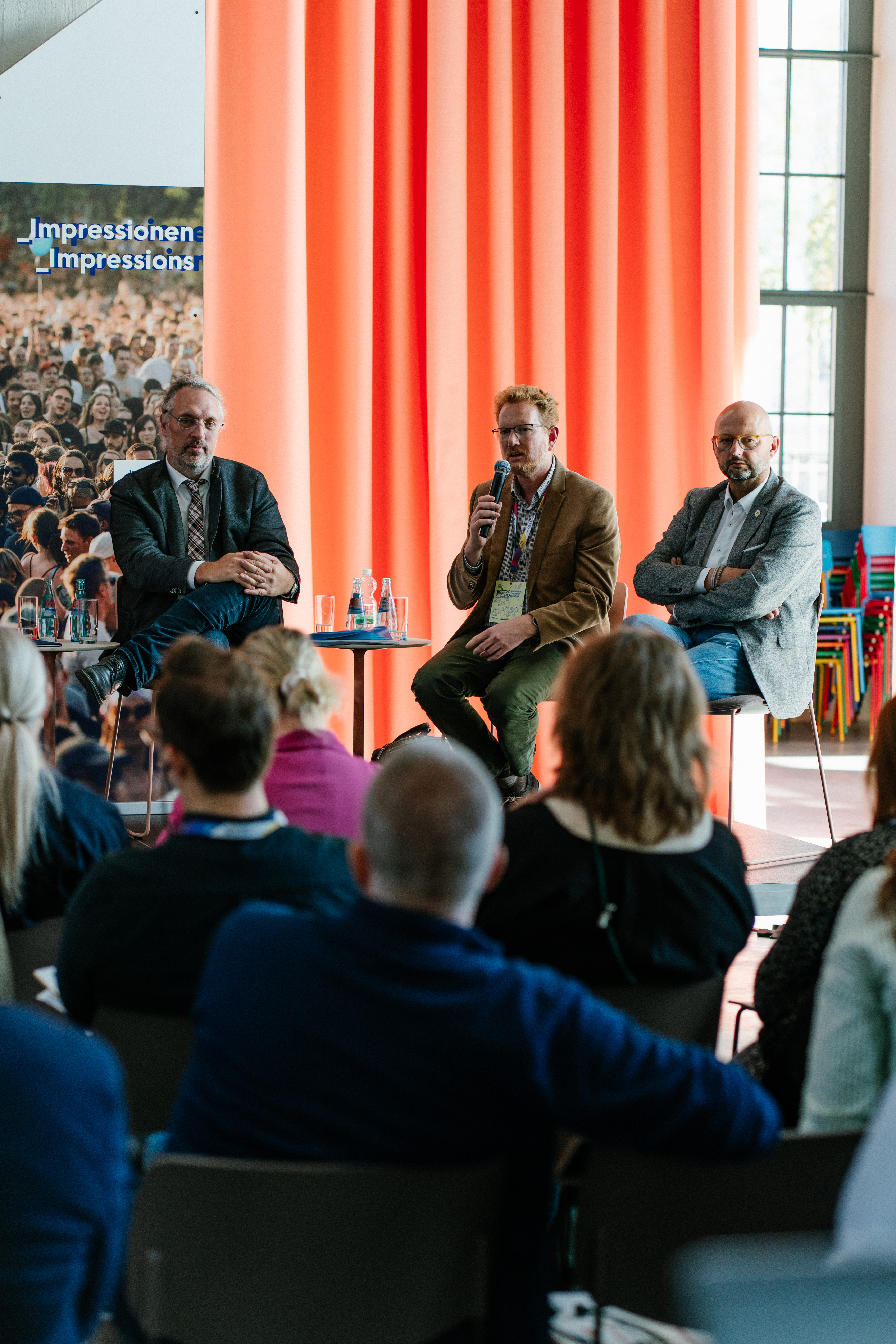
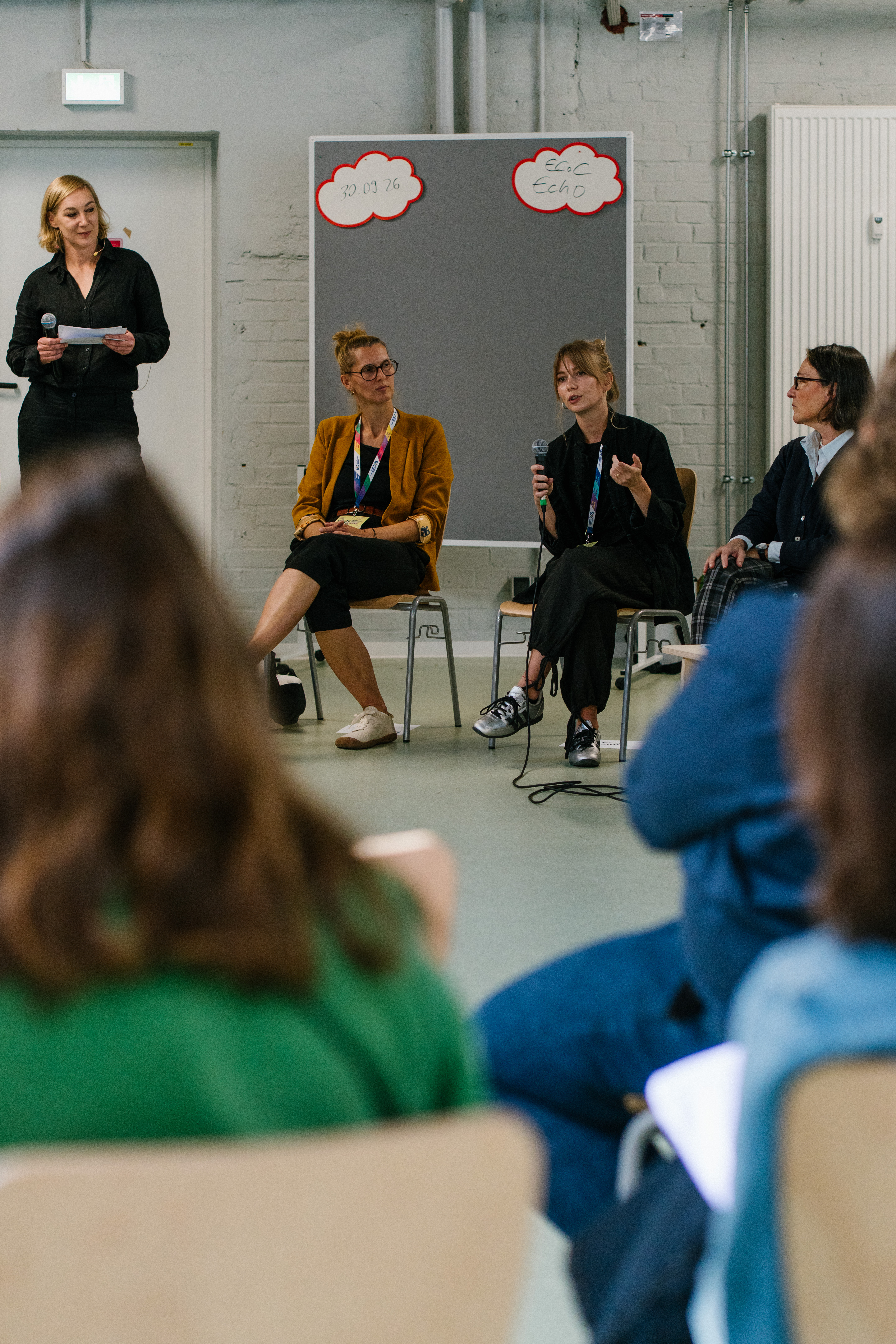
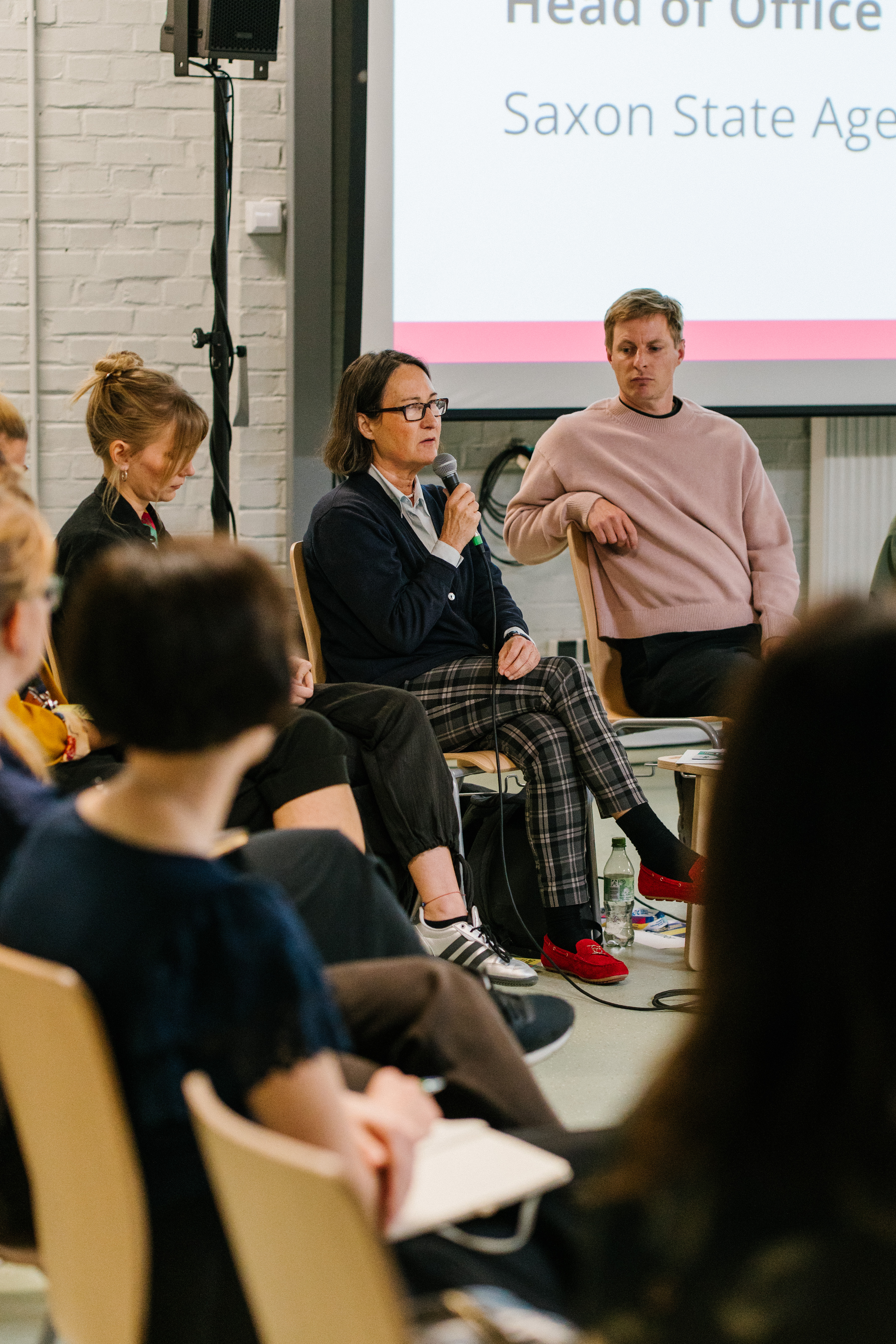

The participants showed particular interest in the analysis of the research carried out by Chemnitz University of Technology before, during and after the Capital of Culture year. They wanted to know how the data had been collected and how the surveys had been conducted in order to produce scientifically sound findings and highlight correlations.
Whilst getting to know the Capital of Culture region, the guests discussed what measures could be taken to link the many local authorities together for tourism purposes whilst at the same time highlighting their unique selling points. In particular, they were interested in the development of the Maker Hubs, from the initial idea through to implementation and future use. This example demonstrated that political, personal, emotional and financial aspects all have a significant influence on the implementation process. They compared strategies for ensuring these projects remain sustainable in the future, for example by developing new structures.
Sharing the knowledge and experience of Capitals of Culture regarding the period following their tenure is crucial to ensuring that the impact of a Capital of Culture is sustained in the long term. The ECoC Echo project clearly demonstrates how valuable international exchange is at a local level, as – despite differing starting points – Capitals of Culture often face similar challenges and can learn from one another about which approaches work.
By bringing together ‘European Capitals of Culture’ and regional and local authorities at various stages of their journey towards becoming a ‘European Capital of Culture’, the project promotes the exchange of knowledge and best practice, supports the development of policy instruments and a toolbox for knowledge-sharing, and further strengthens European cultural and regional cooperation.
This is a crucial issue. The European Commission’s proposal for the new legal framework for the ‘European Capitals of Culture’ initiative for the period 2034 to 2047 also aims to safeguard the long-term legacy of the European Capitals of Culture.