

Why Chemnitz loves to sing
Kerstin Uhlig, Uwe Weise & Carsten Walther
More than 1,300 singers will welcome the 875th anniversary year of Chemnitz this weekend at "Chemnitz sings". Chemnitz Theatre and C³ Chemnitzer Veranstaltungszentren invite you to a major choral event on 21 January 2018. Kerstin Uhlig, Uwe Weise and Carsten Walther from the Chemnitz Music Association will also be taking part and are looking forward to this major musical event.


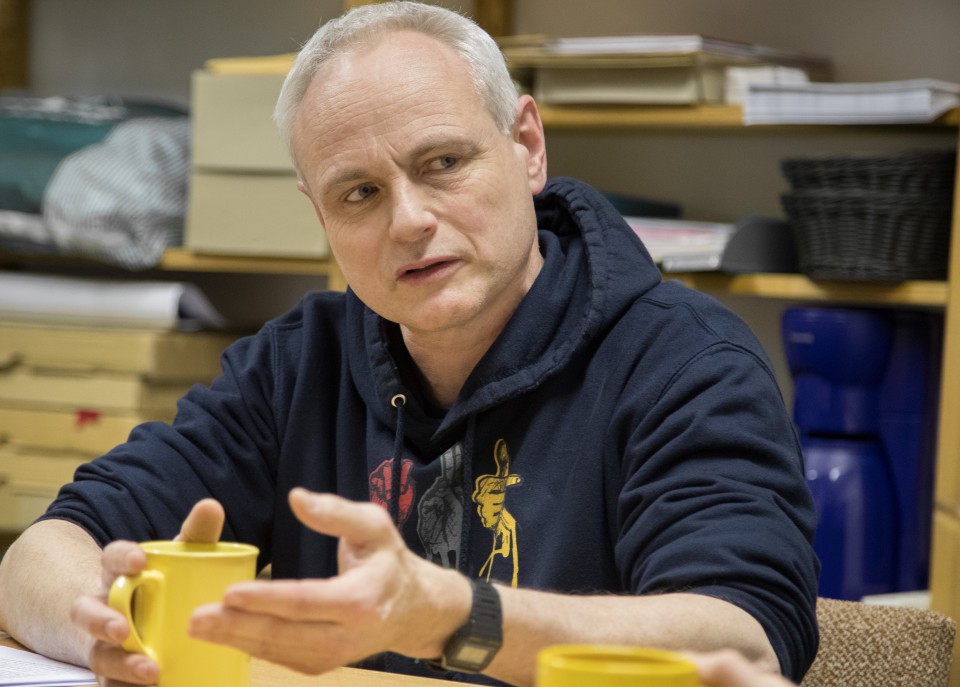
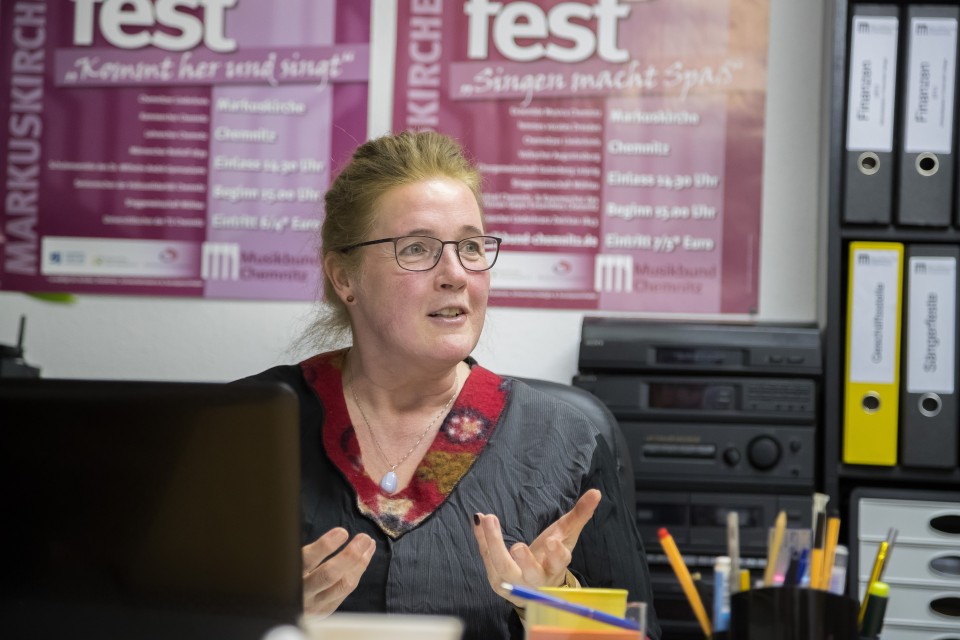
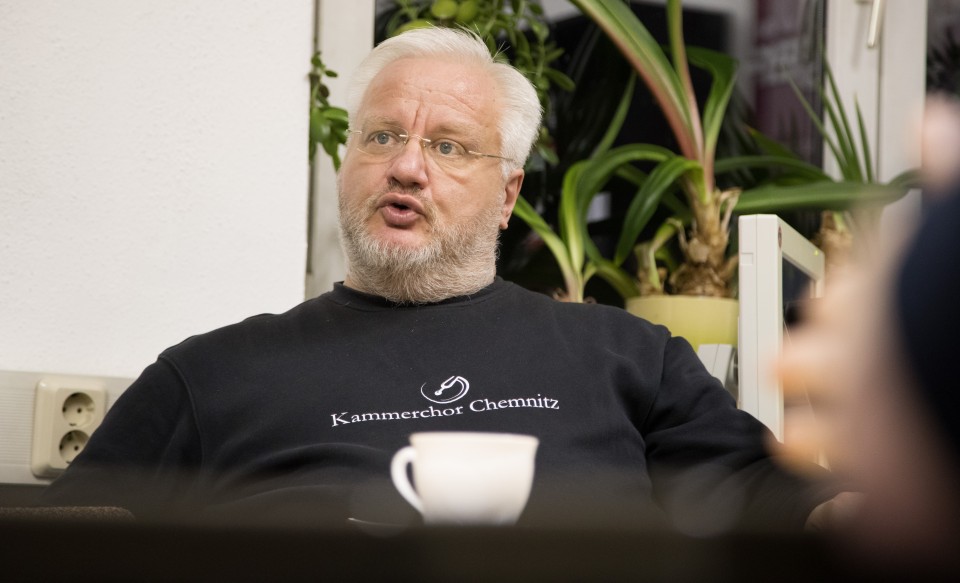
Chemnitz is starting its anniversary year with "Chemnitz sings". How did the Chemnitz Music Association get involved?
Carsten Walther: We took on the role of mediator. The Chemnitz theatres had set themselves the task of getting as many Chemnitz choirs as possible to take part in the event. We were able to draw on our network.
Kerstin Uhlig: We advertised the event to our choirs and helped to ensure that there was broad participation from amateur singers in Chemnitz.
Were they quickly won over by the idea?
Uwe Weise: As the Chemnitz Music Association, we wanted to make our contribution to the city's 875th anniversary anyway and had already thought about what we could do. The idea just came at the right time.
Kerstin Uhlig: There's nothing better for a singer than an event like this at the start of the anniversary year. It makes my heart beat faster.
Carsten Walther: The singers were quickly enthusiastic. It takes an incredible amount of effort to organise something like this. Small choirs often can't afford to perform the big choral symphonic works. They now have the opportunity to do so - thanks to Chemnitz Theatre, who have planned this event with so much motivation. It will be a wonderful experience for the singers to sing in such a large ensemble.
What does "Chemnitz sings" aim to achieve?
Kerstin Uhlig: Of course we hope that the event will contribute to what we at the Chemnitz Music Association also want: To awaken joy in music, create performance opportunities and generate enthusiasm for singing.
What should Chemnitz be proud of in terms of its musical tradition?
Uwe Weise: Singing has a long tradition in Chemnitz, even if some people don't realise it. After all, the Singakademie Chemnitz turned 200 a few months ago. However, there is no stringent development. The wars and political upheavals have always had an impact on choral structures. Even in the GDR era, there were choirs in the city that performed internationally. The roots of many choirs go back decades, such as the former Fritz Heckert Ensemble (now Ensemble Musica) or the Florian Geyer Ensemble.
Carsten Walther: At the beginning of the 1920s, there were over 100 choral societies with more than 3,500 singers in the Chemnitz area. Singing is an integral part of Chemnitz culture.
What is so special about the Chemnitz Music Association? Why do you need such an association?
Carsten Walther: We are an umbrella organisation and celebrated our 25th anniversary last year. When we were founded in 1992, the entire choral landscape was in a state of flux. After the dissolution of the GDR and the closure of many companies, there were no more company choirs and performance venues were closed. We joined forces so that the choirs could continue to exist. And even today, our main task is still to organise performances, find funding opportunities and provide political support for the associations. We are now an association of 24 choirs with 900 members.
Uwe Weise: We belong to the Saxon Choir Association and membership with us has the advantage that, for example, all insurance issues and the majority of GEMA fees are covered. We also organise joint events, such as the singers' festival or charity concerts.
Carsten Walther is President of the Chemnitz Music Association. After his job in IT, he is looking forward to a change of pace as a singer in the Ensemble Musica Chemnitz choir and the MONAEL & FRIENDS sign language choir. Uwe Weise is one of two Vice Presidents, sings in the Chemnitz Chamber Choir and teaches music at Dr Wilhelm André Grammar School. Kerstin Uhlig also sings in the Chemnitz Chamber Choir and the Augustusburger Choryfeen. She has been managing director of the Chemnitz Music Association for a year now.
Why is music important to you personally?
Uwe Weise: I started singing in the choir in year 7. And since then, there has hardly been a time when I haven't sung. I would really miss something without singing in the choir.
Kerstin Uhlig: What we have in common is that we started singing as children and I was bitten by the choir bug, as I like to call it, and haven't let go since.
Carsten Walther: I'm fascinated by the fact that so many different people come together in choirs: No matter what age, what profession or where they come from - they do something together. That creates a great community.
What will Chemnitz look like in 2025?
Carsten Walther: The city has developed well in recent years. There are many opportunities for subculture, which I would include choirs. There are many initiatives and people who want to make a difference. There is no longer a perception that there is nothing going on in Chemnitz. Chemnitz is becoming more cultural - especially in the area of subculture. There are already many opportunities and yet there is still room to create something yourself. Whether we become European Capital of Culture or not - Chemnitz will go its own way. And if we're unlucky, the city will become so attractive that rents will ultimately rise. (laughs)
Uwe Weise: The classical choir scene is having a relatively hard time. But there are many project choirs and individual initiatives. I think the choral landscape will also develop in this direction.
Kerstin Uhlig: The main thing is that people are singing. I have the impression that Chemnitz is very musical in terms of its range.
Carsten Walther : There are more and more people who are getting involved and organising things together. Many more interesting projects can develop from this.