

Special Olympics: Chemnitz is host town and sends female athletes
The Special Olympics - the world's largest sporting event for people with intellectual disabilities and people with multiple disabilities - will take place in Berlin from 17 to 25 June 2023.
In order to promote social interaction and exchange between nations, more than 200 cities and municipalities throughout Germany are taking on the role of host town. In the run-up to the Games, they each welcome an international delegation of athletes and coaches for four days. Chemnitz is the host town for 60 participants from Lithuania. The 60 or so guests will experience a programme of sporting competitions, encounters and cultural events in which clubs, schools and workshops in the city will be involved.
Chemnitz is host town for delegation from Lithuania
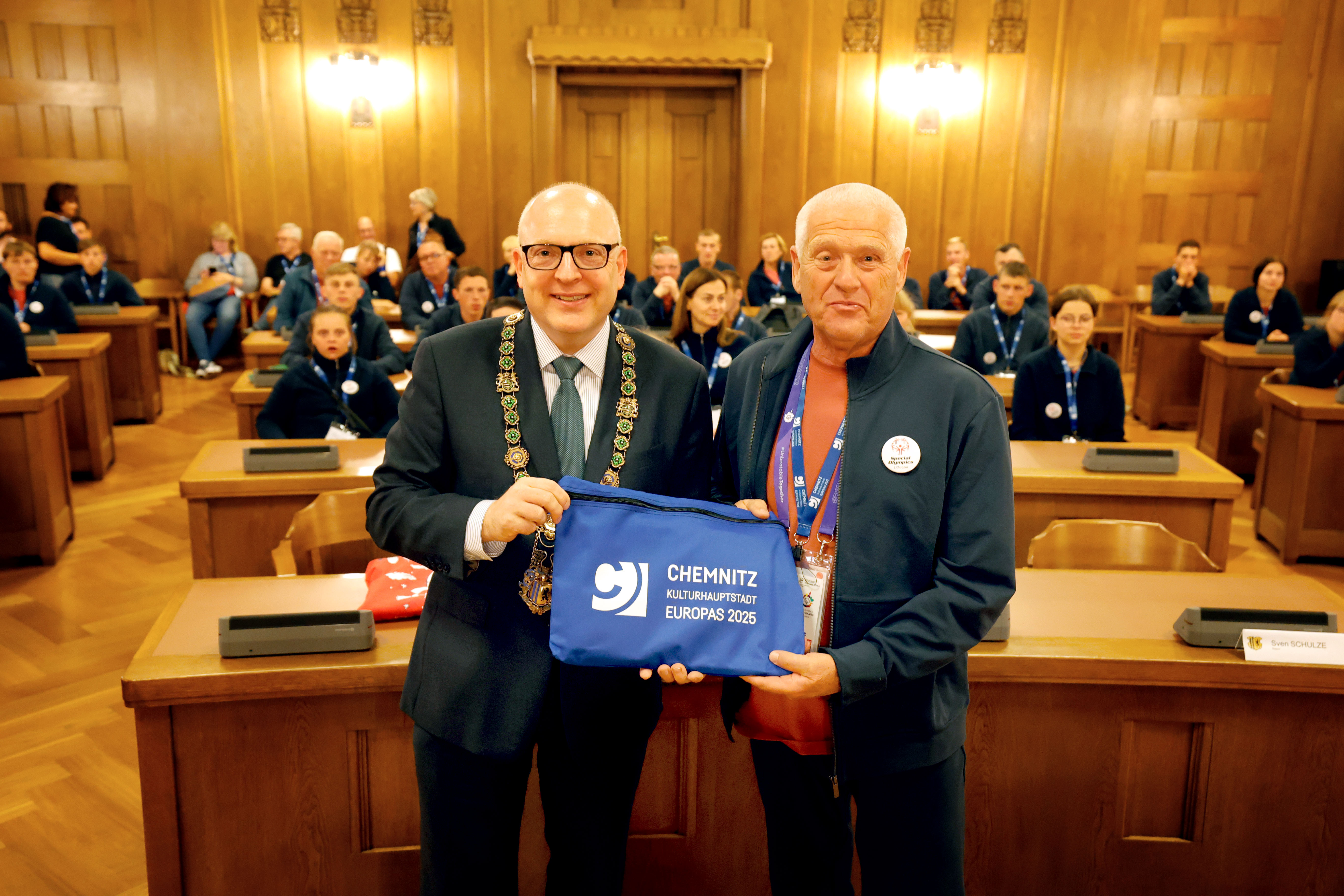


On 12 June, Lord Mayor Sven Schulze welcomed the delegation in the city council chamber of the town hall.
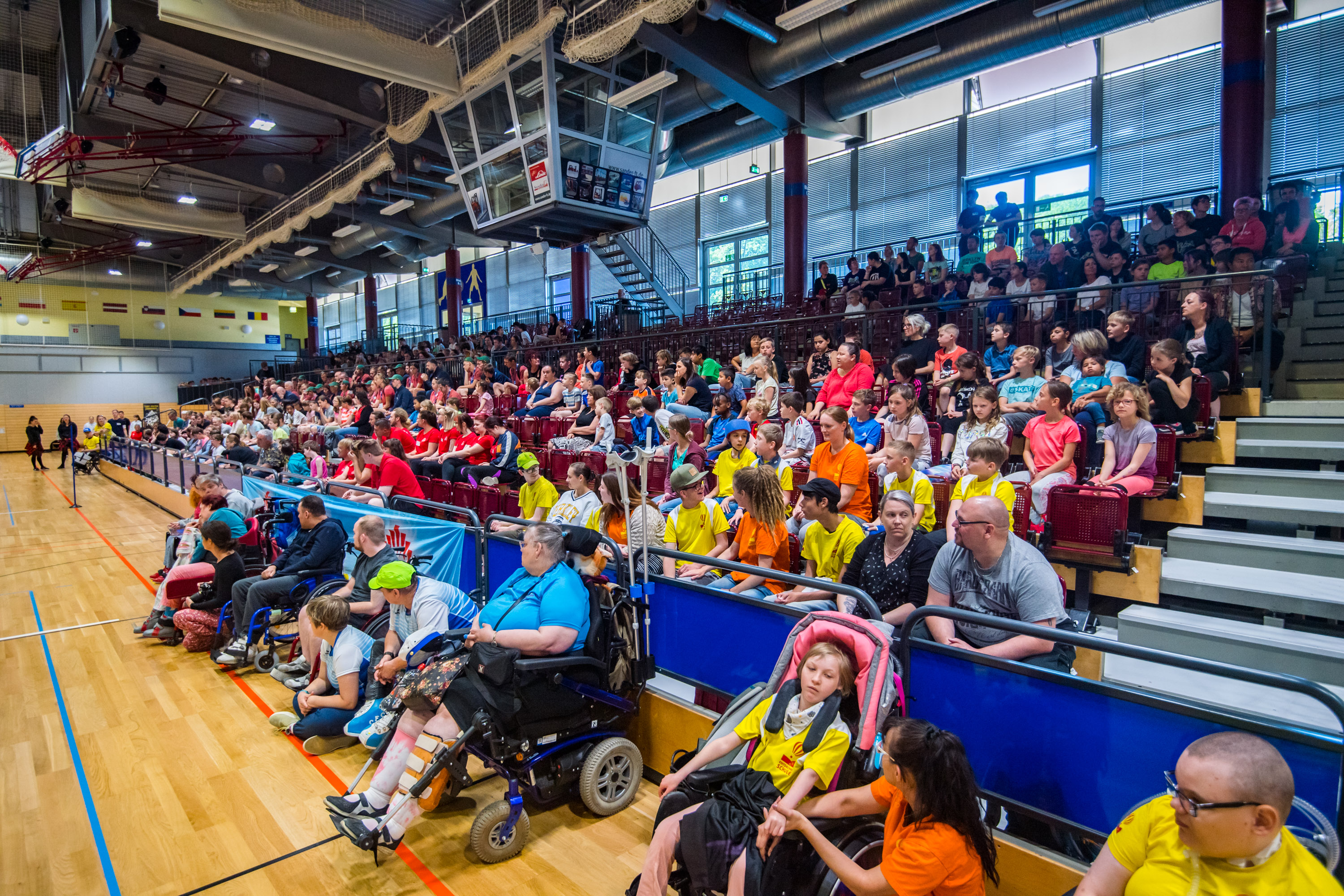
On Wednesday, 14 June, a sports festival with the Lithuanian Special Olympics participants took place from 10 am to 2 pm. All Chemnitz residents were invited to the Richard Hartmann Hall. > more
Together as host city | Chemnitz as host city for Lithuanian Special Olympics athletes

Chemnitz sportswomen take part in the Special Olympics in Berlin

Five female athletes from Chemnitz have qualified for the Special Olympics. In view of the upcoming competition, coach Katrin Wallasch and athlete Anja Berthold provide exciting insights into the preparations.
How many athletes from the training group are taking part in the games and in which disciplines?
Katrin Wallasch: A total of five athletes from our group have qualified for the national games. We will be competing in the 100, 200 and 400 metre races and the relay. Our five ladies did so well that they were nominated for the Special Olympics. It's a great honour for us.
How are the athletes preparing for the games?
Anja Berthold: We have training twice a week on Wednesdays and Thursdays.
Katrin Wallasch: In the next two weeks, we will also have a third training session just for the five women so that we can prepare even better for the games.
Are there any special aspects of training compared to regular sport?
Katrin Wallasch: Everyone has individual challenges that we have to address in training. But I think that everyone has their own strengths and weaknesses. So I don't necessarily see a big difference. It would be nice if sport in general was more inclusive.
What is the goal for the Special Olympics in Berlin and is there already excitement?
Anja Berthold: I'm doing my best and hope that I might even win a medal, ideally gold of course.
Katrin Wallasch: There's still a lot to organise, both for the athletes and for the whole team, and you can feel the excitement everywhere. I can hardly wait to run into the Olympic Stadium. It will be an unforgettable moment and it's a great opportunity for us to compete with other athletes from all over the world.