

Passionate about Chemnitz

To mark the 160th anniversary of the Chemnitz Professional Fire Brigade and the 120th anniversary of the main fire station
on Schadestraße, the Schloßberg Museum is showcasing the history of firefighting in Chemnitz.
Around 80 exhibits, including historical documents, photographs, paintings and models of fire-fighting and rescue equipment,
illustrate the development of firefighting from the Middle Ages to the end of the First World War. A particular highlight of the exhibition is a fully functional ‘Abprotzspritze’ manufactured by the Chemnitz-based firm W. R. Lippold in 1893.
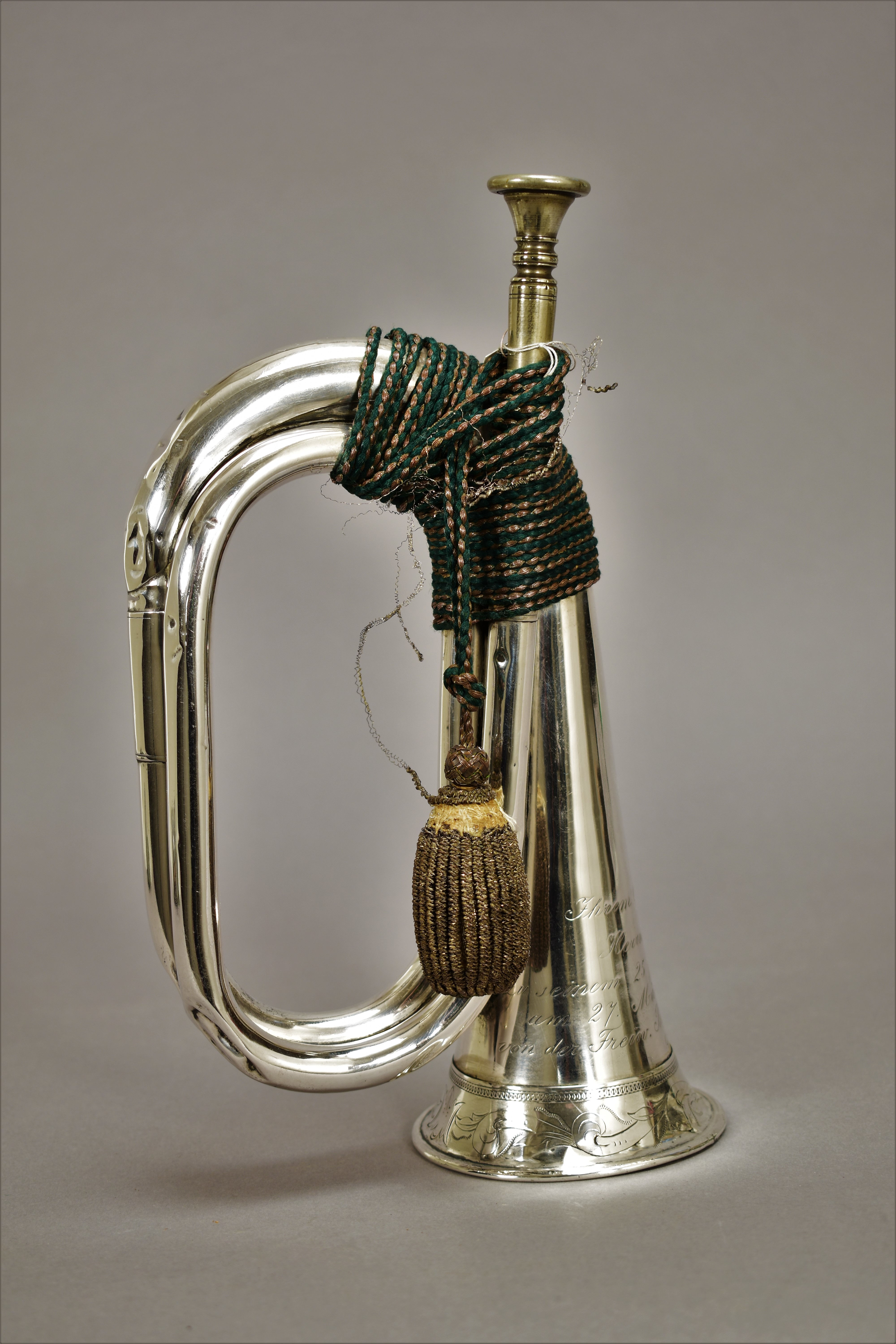
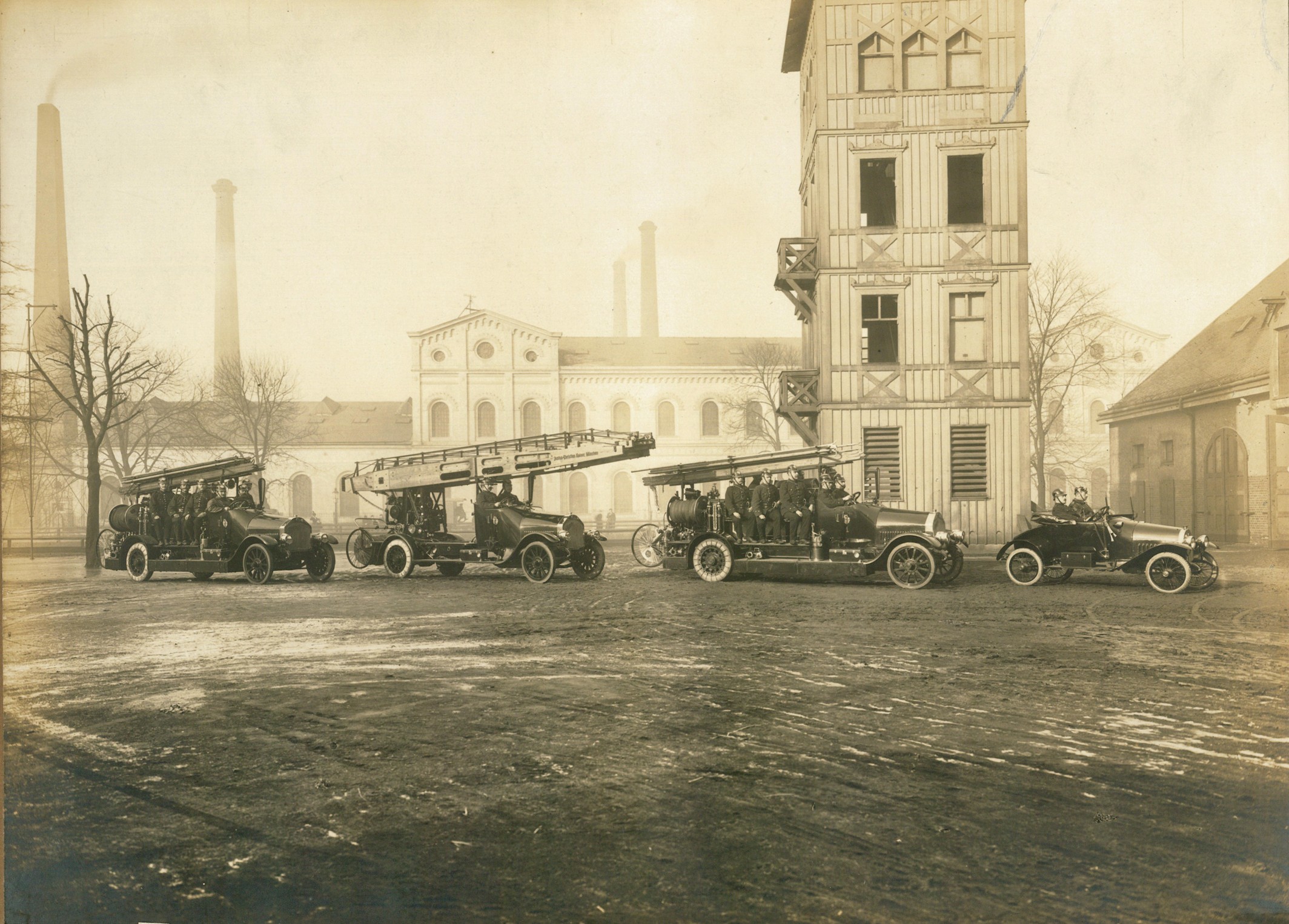

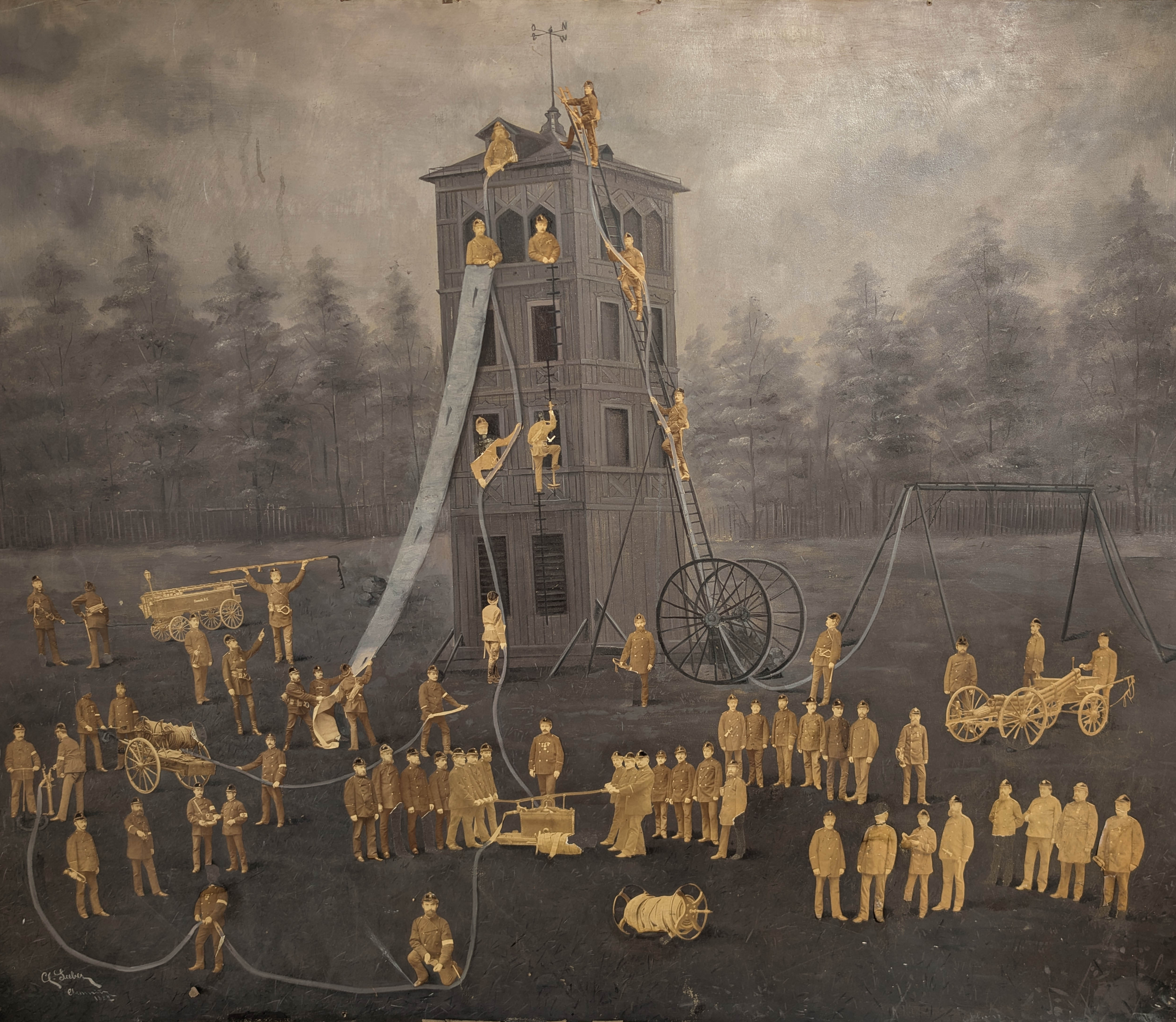
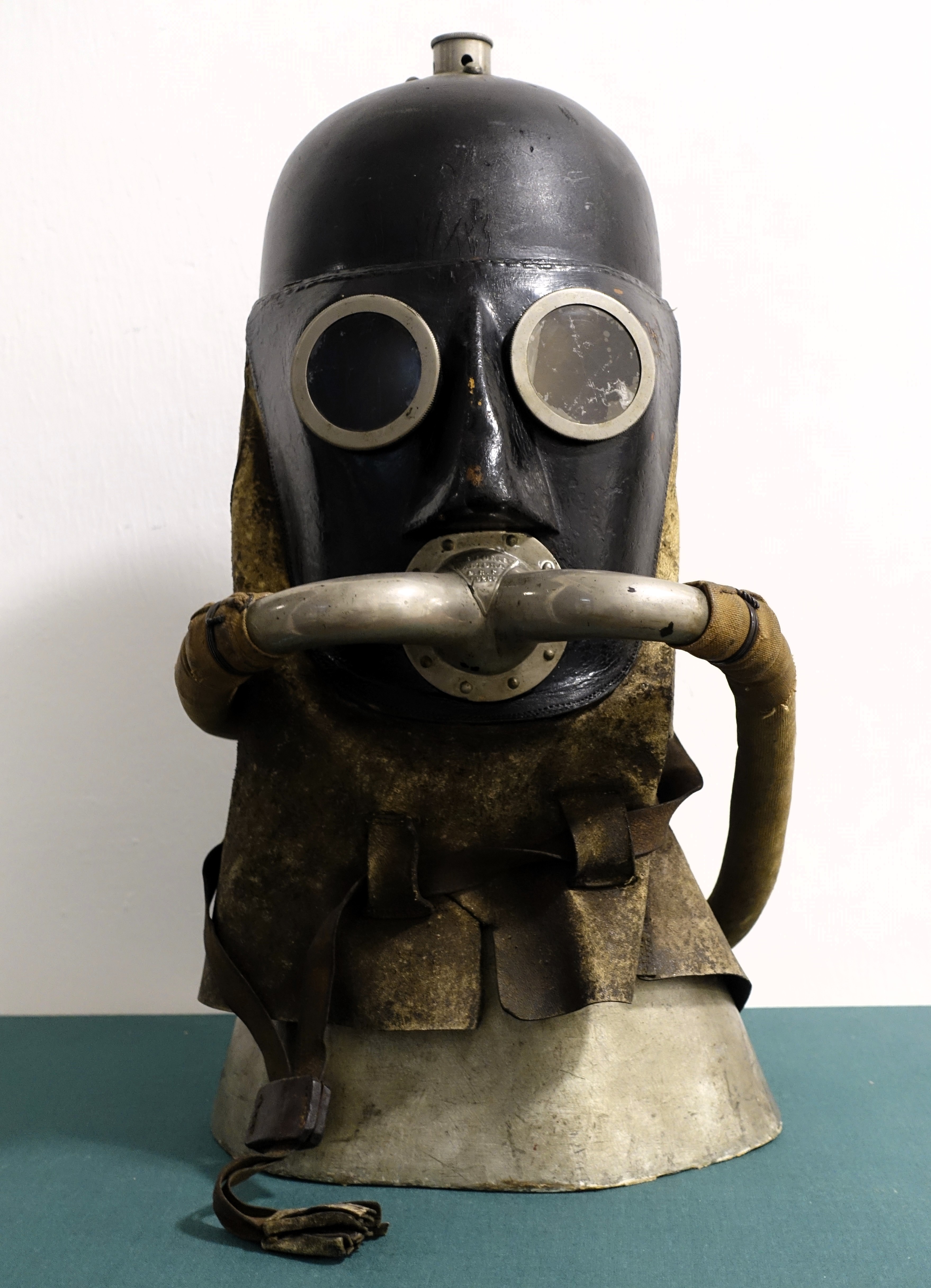
In October 1866, the foundation stone for the Chemnitz professional fire brigade was laid with the establishment of a ‘night fire station’ staffed by twelve permanently employed firefighters. As the city grew into a major industrial centre, the demands placed on fire and disaster protection also increased. The professional fire brigade, which was initially housed in makeshift premises on Neumarkt, was given a modern base in December 1906 with the new main fire station on Schadestraße. The facility, which was considered exemplary at the time, remains in operation to this day.
The exhibition traces the development of firefighting, the origins of which in Chemnitz date back to the 14th century
. Despite early fire regulations and technical improvements, devastating fires occurred time and again over the centuries. It was only with the establishment of various voluntary fire brigades from the late 1840s onwards and the subsequent formation of the professional fire brigade that firefighting became increasingly professional.
The exhibition focuses on the period of the German Empire. The exhibits come mainly from the collections of the Schloßberg Museum and are supplemented by items on loan. On display are, amongst other things, a rare design drawing of an ‘snake pump’ from the 18th century, historical views of the old fire station on Neumarkt and the new main fire station, as well as models of fire-fighting and rescue equipment. The exhibits also document the importance of Chemnitz-based companies that successfully manufactured fire-fighting equipment in the late 19th century.