

Wild donkey offspring at Chemnitz Zoo
In addition, new residents from the corvid family
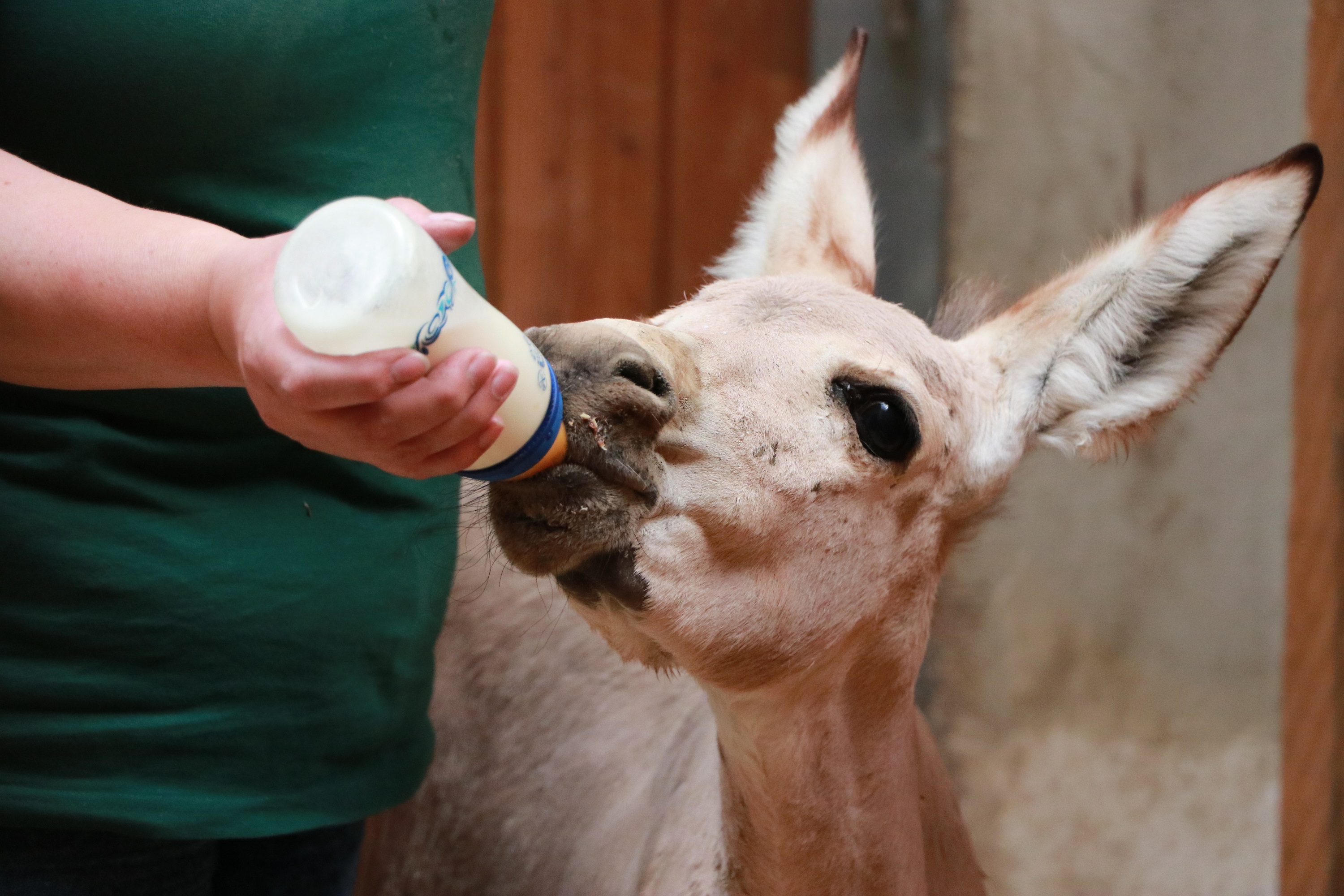
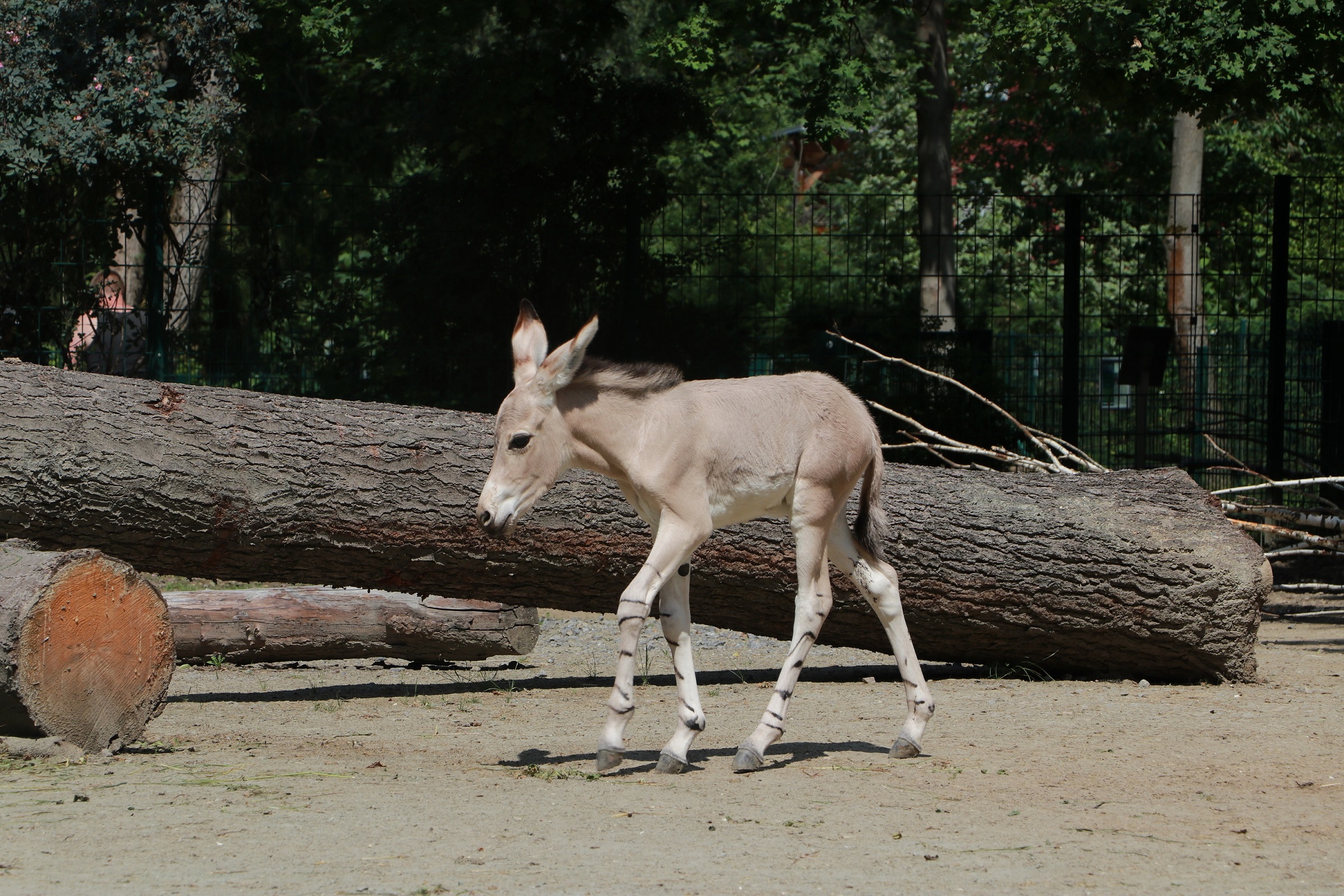
The Somali wild donkeys had offspring on 23 June. Mare "Mantana" gave birth to a little stallion. This was named "Poseidon" by the animal keepers in charge.
The wild ancestors of the domestic donkey are one of the most endangered animal species. This species has lived at Chemnitz Zoo since 1997 and has regularly given birth to offspring since 2003.
The mother died unexpectedly on 6 July. As the young animal was developing normally at the time and showed no signs of illness, the zoo decided to carry out an elaborate hand-rearing programme. Since then, the little wild donkey has been fed several times a day by the zoo staff with replacement mother's milk.
With Somali wild asses, mother and child are the only ones who build a relationship with each other. That's why the zoo didn't hold out much hope that the other adult mare "Hera" would take care of the young animal. However, she tolerates him in her neighbourhood. Father "Da Vinci" was temporarily separated from the group, as adult stallions often live solitary lives and can behave territorially.
Without the dedicated efforts of the zoo staff, "Poseidon" would not have had a chance. However, he has already gained around 10 kilograms and is now also eating hay and grass. However, there is still no guarantee that "Poseidon" will survive despite all the efforts.
Even though the young wild donkey is being bottle-fed, the animal keepers maintain the necessary distance to prevent the animal from becoming too familiar with humans. This can lead to it not displaying species-appropriate social behaviour later on and not being able to live in a donkey group.
With its Somali wild donkey breeding programme, Chemnitz Zoo is successfully participating in the European Endangered Species Programme (EEP). The EEP population comprises just over 200 living wild donkeys in 37 zoological institutions. It is assumed that there are a maximum of 200 adult animals left in the natural range of the Somali wild ass in Ethiopia and Eritrea - an alarmingly low number.
New inhabitants from the corvid family
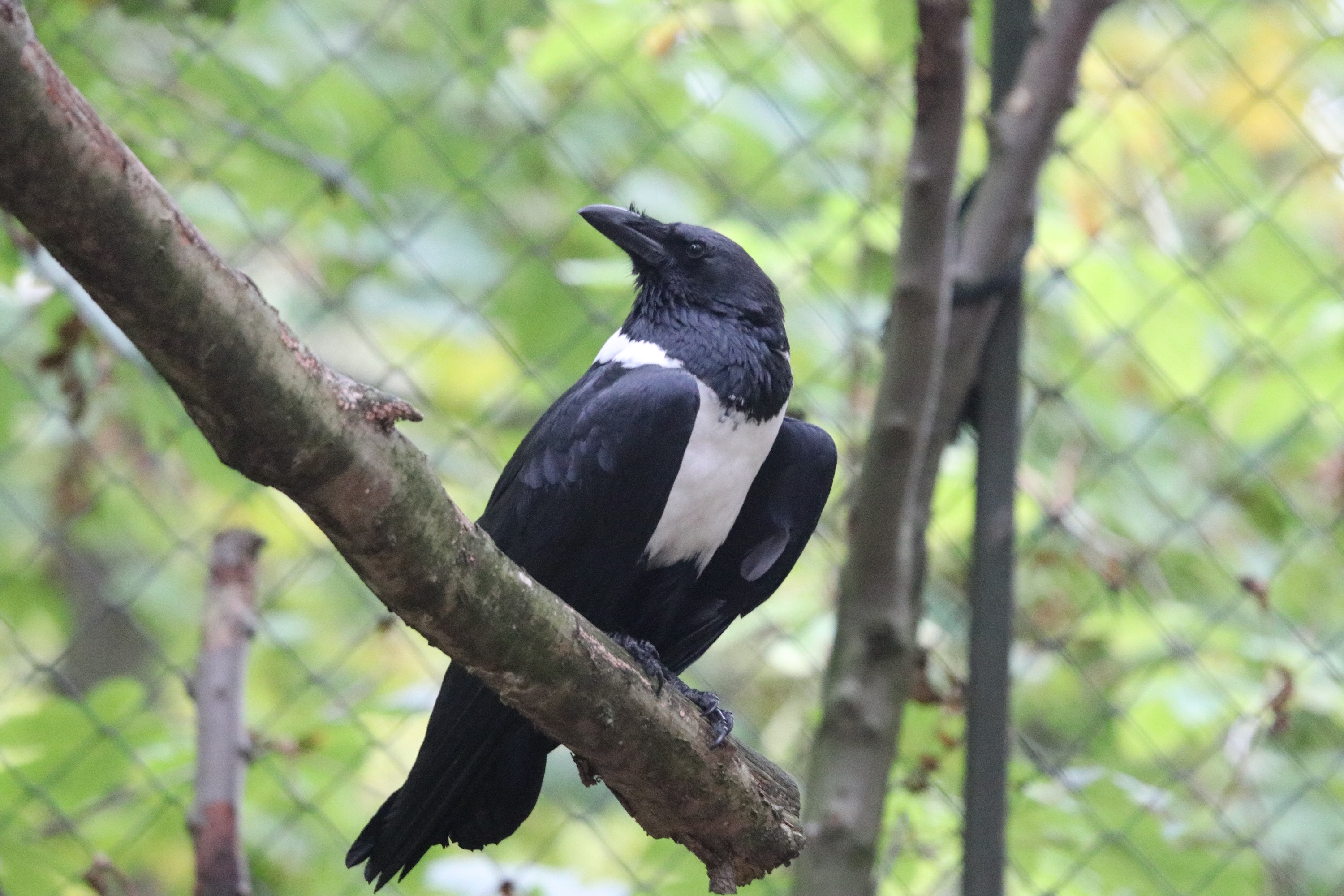
At the end of last year, the first raven moved into Chemnitz Zoo. The male was followed in July of this year by a potential mate, which hatched on 14 May at the Solingen Bird and Animal Park. This means that the zoo will also be able to breed these rarely seen ravens in future.
The shield raven is the most common raven in Africa. It gets its name from the shield-shaped white plumage colouring on its breast and neck. As is usual with corvids, both sexes take part in rearing the young.
www.tierpark-chemnitz.de
Opening hours in summer:
Zoo: 9 am to 7 pm, last admission 6 pm
Game enclosure: 8 am to 6 pm, last admission 5 pm
Note for photo/TV journalists:
Shooting behind the scenes is not possible. We will be happy to provide you with photos for this purpose if required.