

What's flying there? - Bat survey
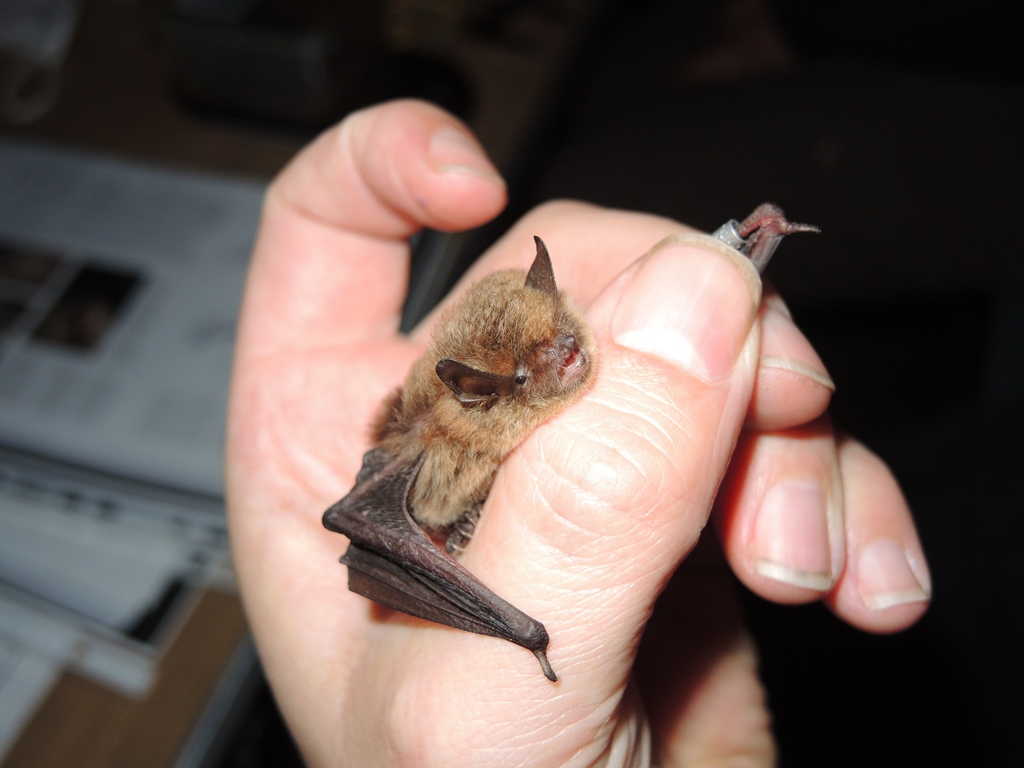
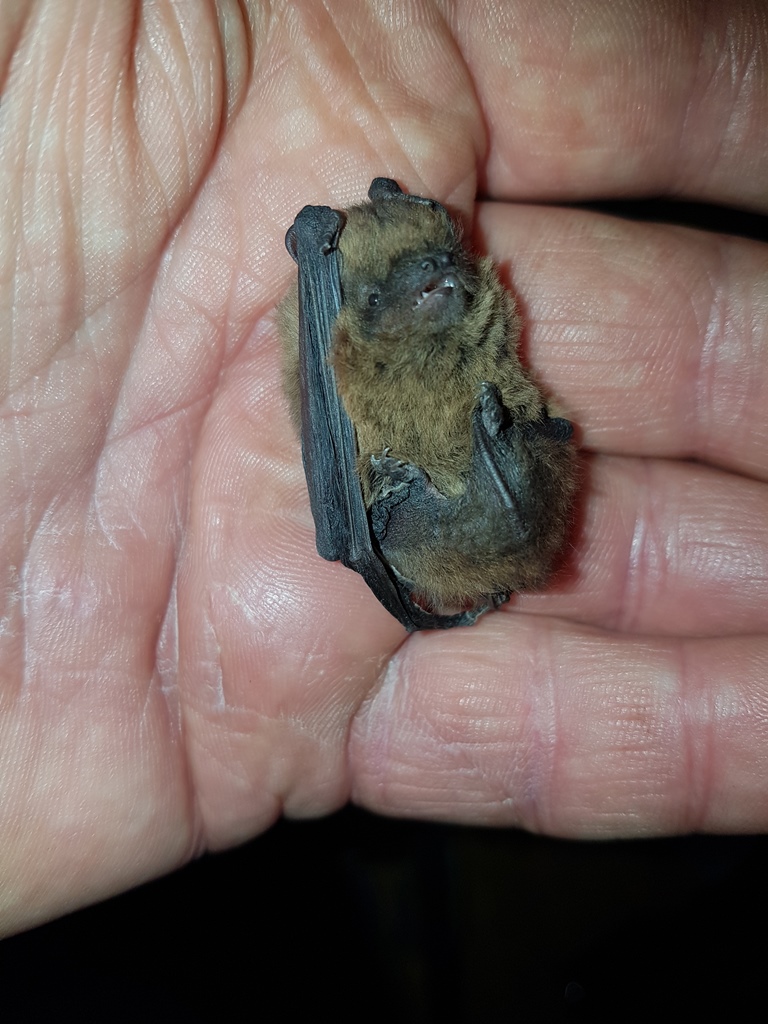
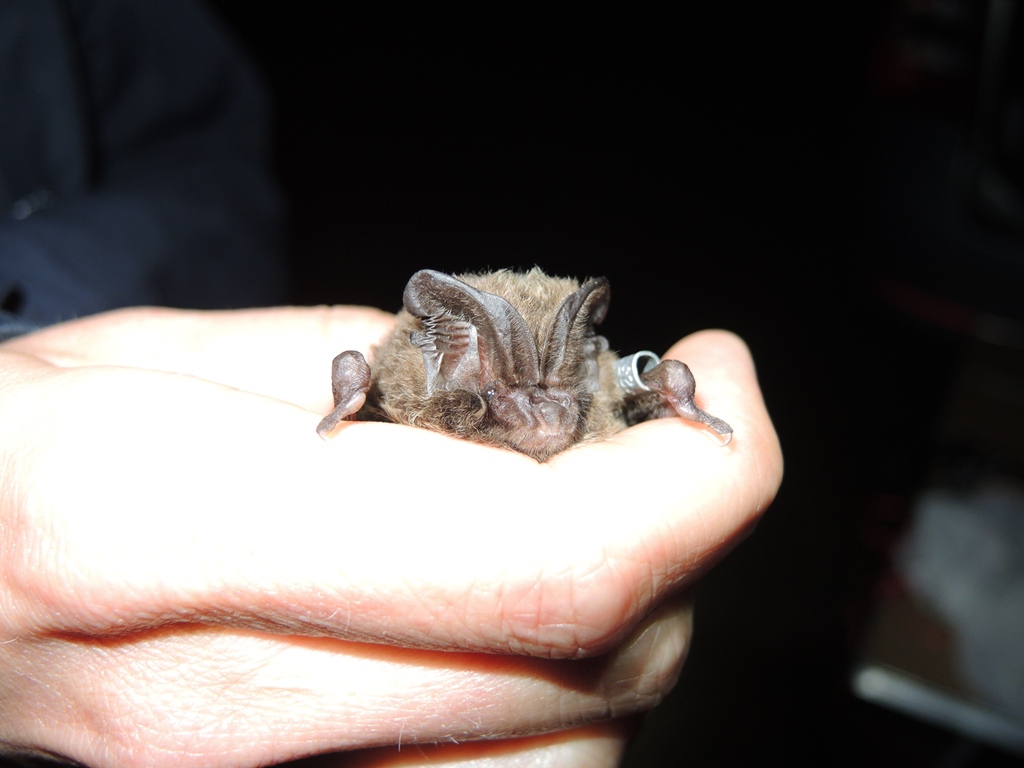
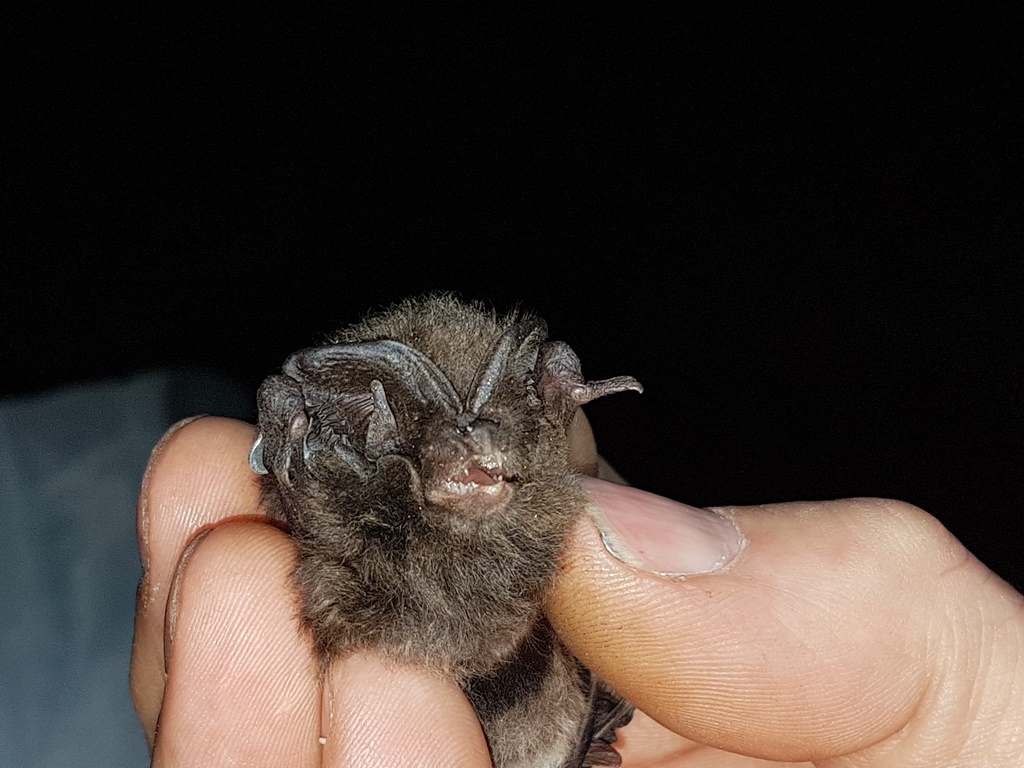
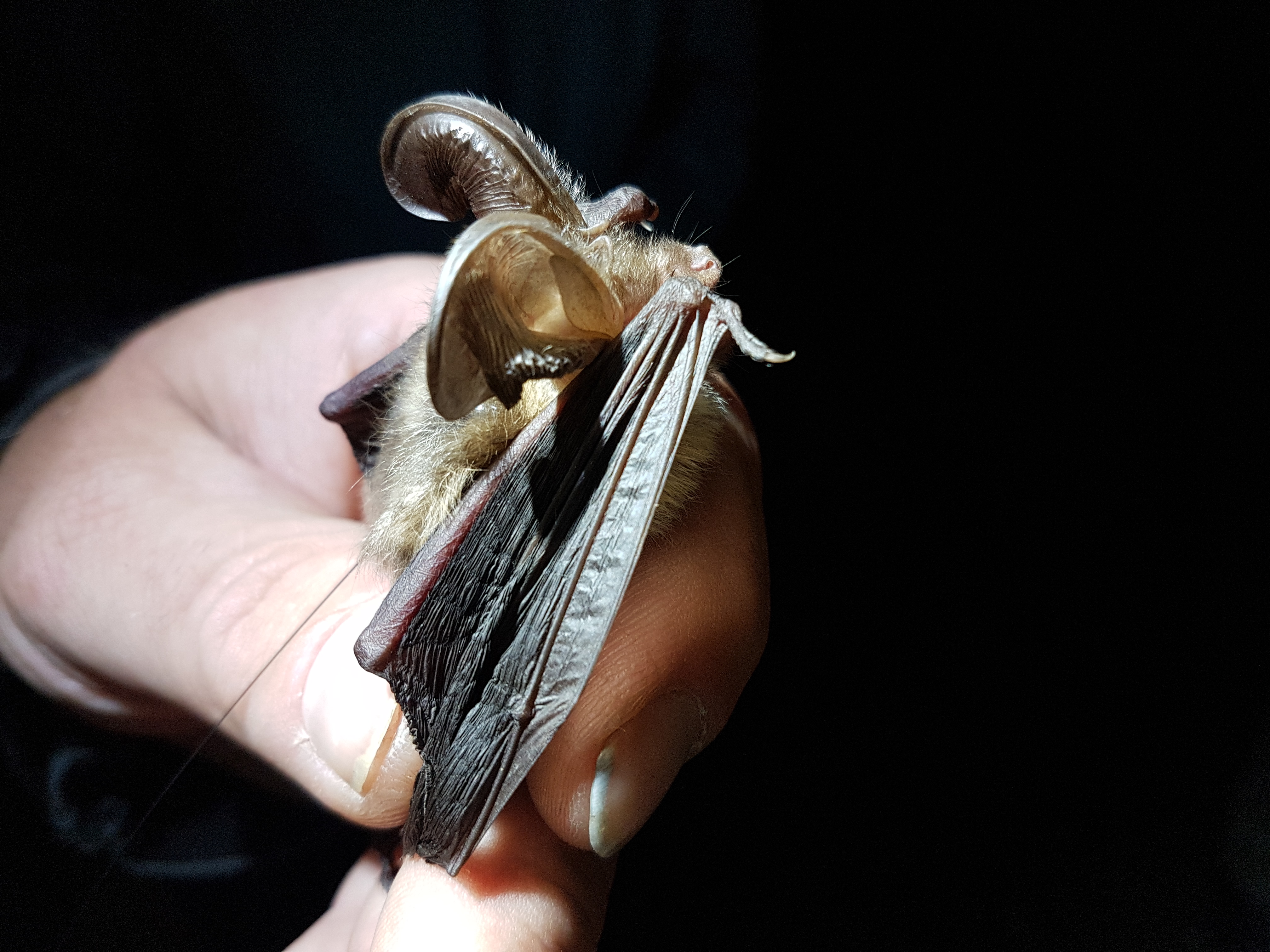
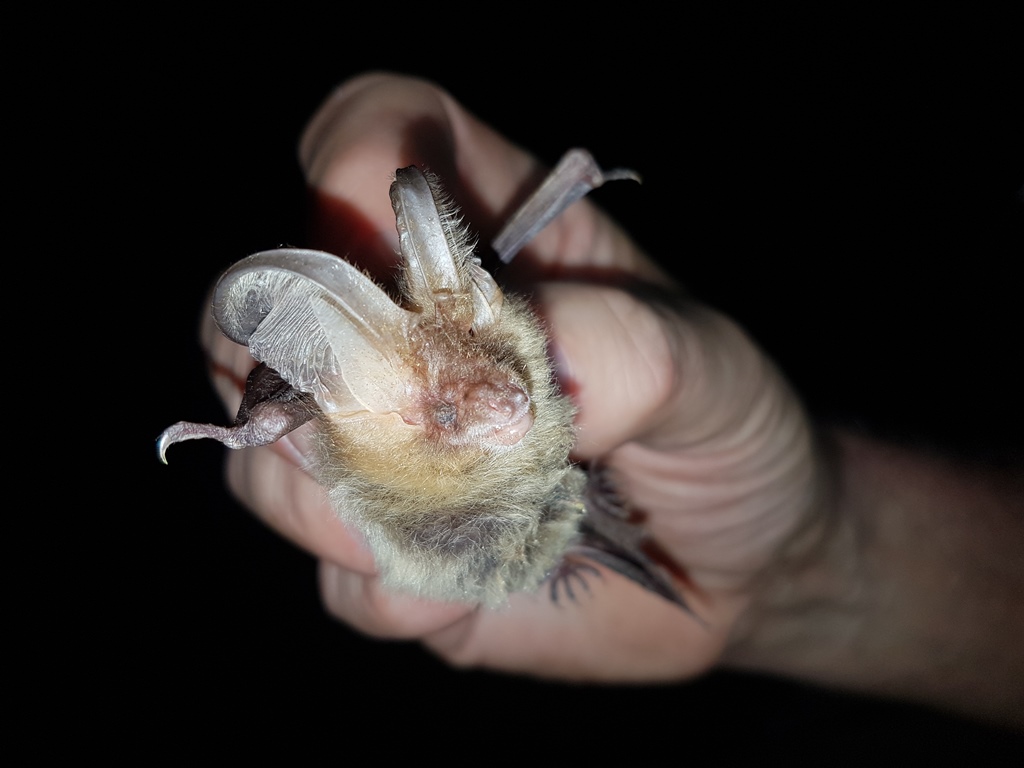
For the second time, bat experts are investigating which species of these flying mammals can be found in Crimmitschau Forest. The Parks Department and the Lower Nature Conservation Authority of the City of Chemnitz are providing personnel and financial support for these bat surveys.
If at all, they can only be seen as silent shadows as they scurry past in the dark on their hunt for insects. In most cases, there is no chance of recognising which species they are. Bat researchers such as Elke and Reimund Francke from Chemnitz and Joachim Frömert from Hohenstein-Ernstthal have recorded the species late in the evening and at night.
Using hair-thin, elasticated nets, they caught, measured, ringed and released a total of 77 animals back into the wild on a single night in both 2019 and 2020. It was found that 13 of the 22 bat species found in Saxony use the Crimmitschau Forest for foraging.
These included more common species such as the water bat and the brown long-eared bat as well as rarer species such as the pug bat. The latter two species even have nursery roosts in Crimmitschau Forest. One of the smallest bat species, the pipistrelle bat, has also been recorded. It weighs just a few grams and fits into a matchbox. In contrast, the common noctule bat, with a wingspan of up to 40 cm, is more conspicuous in the night sky.
Nursery roosts are places where pregnant female bats come together, give birth to their young and nurse them. While the mothers leave the roosts to go hunting in the evening or at night, the young stay behind in the nursery roost and keep each other warm. Depending on the bat species, nursery roosts can be located in tree hollows, behind protruding bark of dead trees, in roof trusses or in cracks in walls.
Only known roosts can be consciously protected. This is how bat research contributes to species conservation. This is because all bat species in Germany are endangered to a greater or lesser extent and are subject to strict legal protection. Their food source, insects, and suitable hiding places and resting places are becoming fewer. Structurally rich forests with ponds, neighbouring grassland and gardens offer bats an ideal habitat.