

News from the zoo: Feeding of zoo and wild animals by visitors not permitted
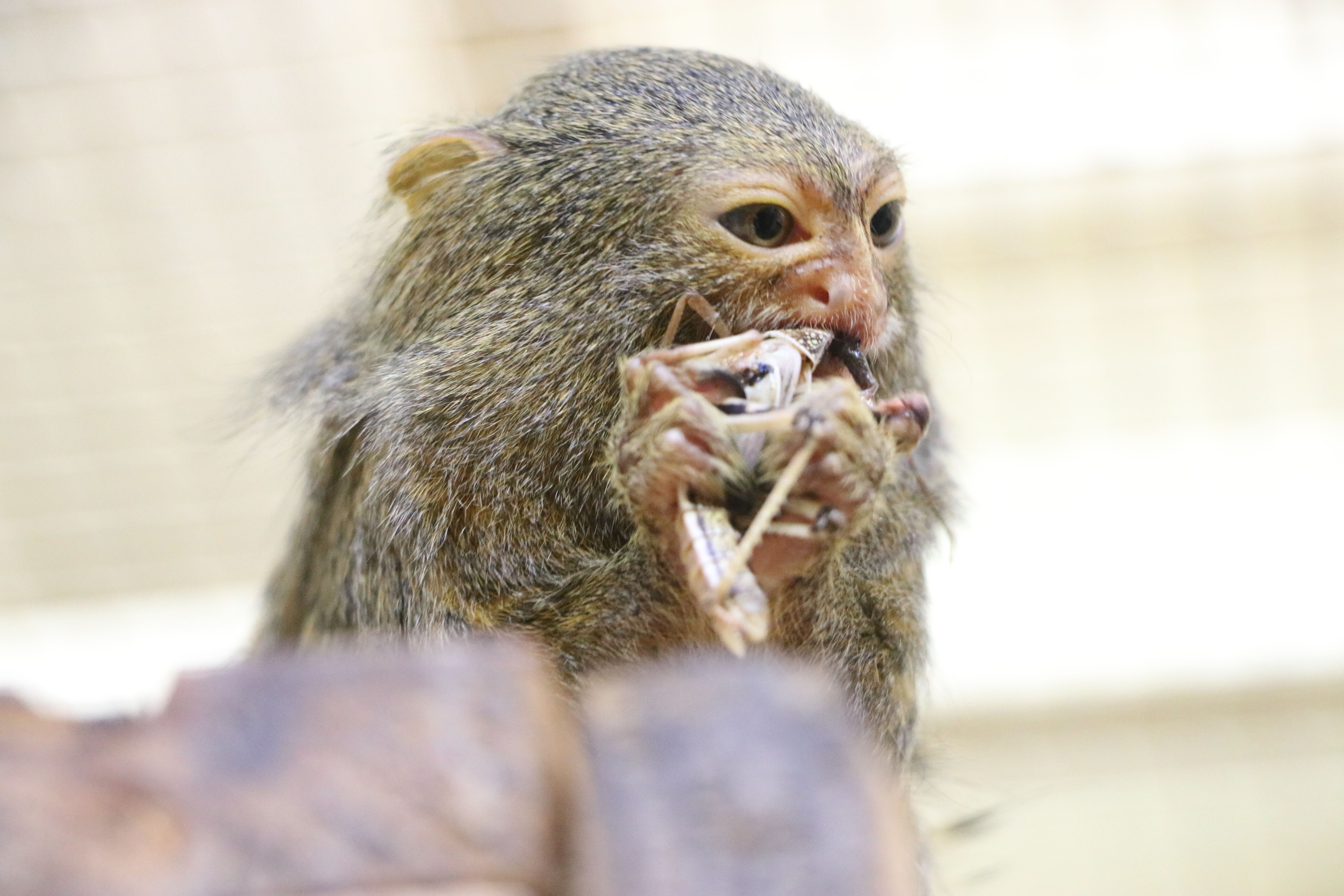
Time and again, visitors to Chemnitz Zoo and Chemnitz Wildlife Park feed the zoo and wild animals at both facilities, unfortunately more frequently at the moment. Possibly because they think they are doing the animals (and the zoo) a favour or because they want to activate the animals. Perhaps because they believe they are entitled to do so by paying the entrance fee. However, the zoo urgently requests that you do not do this, as it may jeopardise the health of the inhabitants of the zoo and wildlife enclosure.
As a general rule, you should not feed other people's animals without the knowledge and permission of the owner or keeper, whether in the zoo, the wildlife park, the farmer's paddock, the pond or over the neighbour's garden fence. Every individual has a balanced diet in terms of quantity and quality of food, and any deviation can be harmful.
Digestive disorders, obesity, behavioural deviations, failure of therapeutic feeding etc. as well as irritation on the part of the owner (Why isn't my pet eating today?) are the result. In the worst case, the animals become ill or even die due to the wrong or too plentiful food.
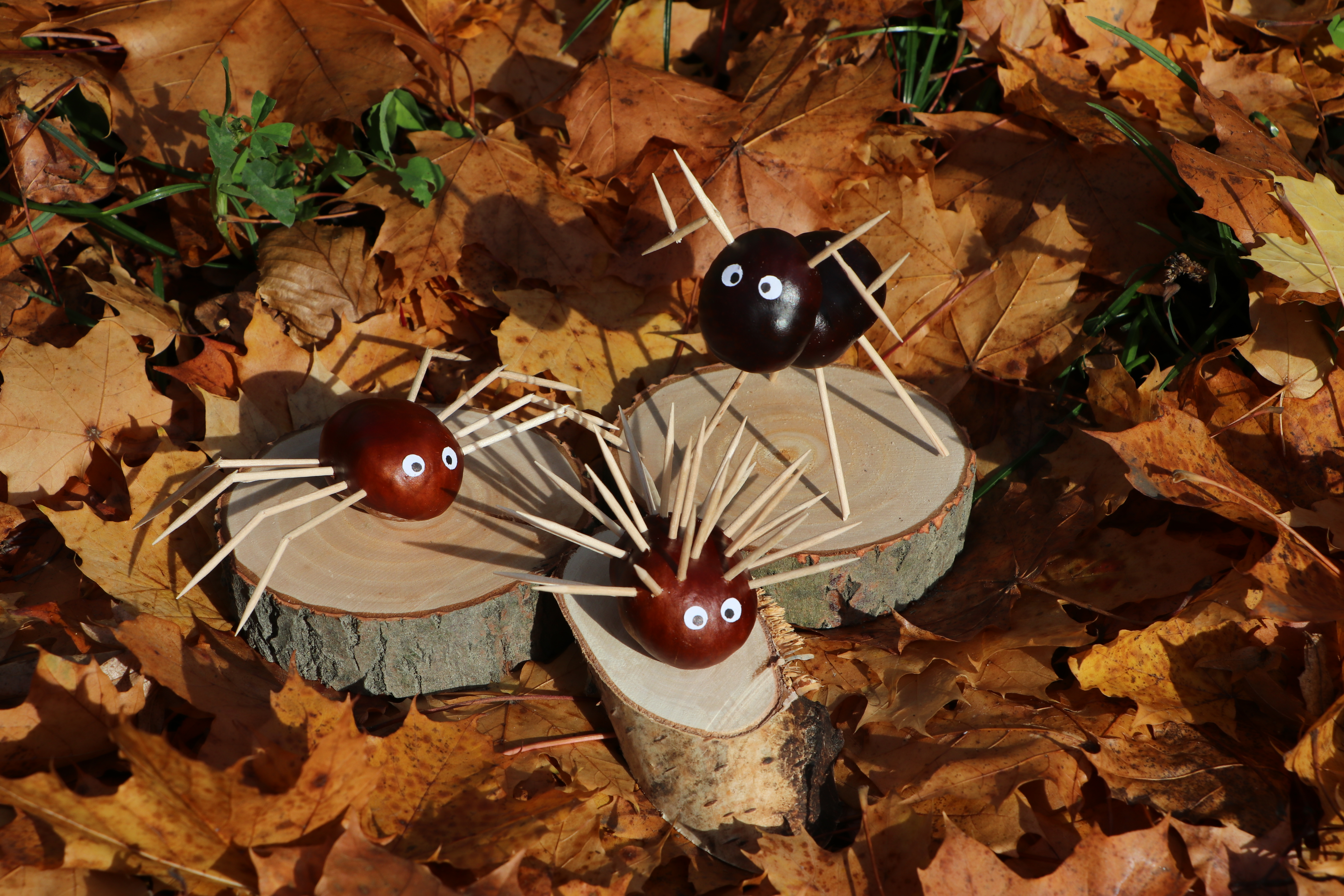
Especially now in autumn, acorns and chestnuts are tempting to feed. But the same applies here: collect them for your own use, e.g. for handicrafts, but do not feed them to the animals, even if the fruit is lying on the path in front of the enclosure. Acorns and chestnuts are not the right food for the exotic inhabitants of the zoo. Given the large number of oak trees in the zoo, it is not possible to prevent acorns from falling into the enclosures, but every additional acorn from outside is one too many.
The general feeding ban (with the exception of pellets from automatic feeders for the respective animals) is pointed out in the visitor regulations of the respective facility, which the visitor recognises by purchasing an admission ticket and entering the facility. A wide range of notices, including pictograms, can also be found on the grounds.
You should therefore always leave the feeding of the animals to the animal keepers. They undergo a demanding three-year training programme that is incredibly varied. They therefore know what their charges are allowed to eat, how much of it is healthy and whether the vet has prescribed a diet.
Anyone who has already collected a lot of acorns and chestnuts can use the collection container in the car park at Rabenstein Castle. This is regularly collected by the staff of the wildlife park, who then feed the fruit properly and in the right quantities to the animals in the park that tolerate this food well over the winter.
If you would like to do something good for the zoo or wildlife park, you can do so by sponsoring an animal, for example, through the "Tierparkfreunde Chemnitz e.V." (Friends of Chemnitz Zoo) animal sponsorship organisation.
Failure to comply with the feeding ban is a violation of the visitor regulations. This may result in expulsion from the premises or even a ban from the premises. If an animal is harmed, the perpetrator may be held liable for damage to property (animals are considered property). In the event of attempted or negligent cruelty to animals or other animal abuse, this will be penalised in accordance with the Animal Protection Act.