

New pairs of birds move into the zoo and game reserve
Toucan species populates Chemnitz Zoo - Booted eagle in the wildlife enclosure
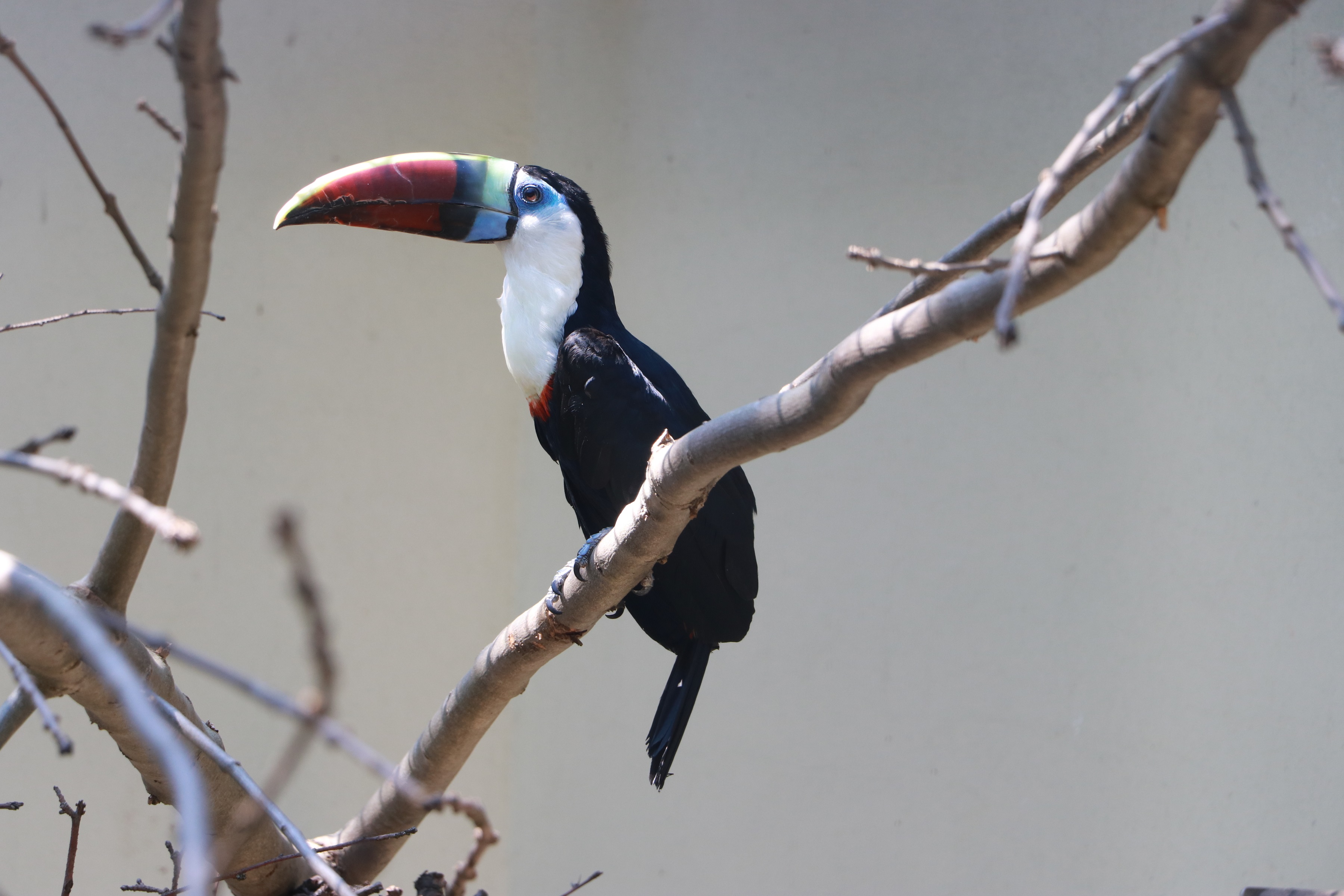
A pair of red-billed toucans moved into Chemnitz Zoo at the end of June. The two animals spent the first time behind the scenes in the parrot house to familiarise themselves with the new home.
Since last week, they can also be seen by visitors.
Red-billed toucans are found in the tropical forests of South America. There they are pure tree dwellers. The monogamous pair takes turns incubating two to three eggs in tree hollows. The incubation period lasts around 15 days and the young birds fledge at around 50 days of age. The population in the wild is considered endangered due to habitat destruction and hunting.
Toucans belong to the woodpecker family. This can be clearly recognised by the structure of their feet, which have two toes pointing forwards and two pointing backwards. The feet of the native great spotted woodpecker, for example, also look like this. The most striking feature of toucans, however, is their enormous beak. Although it looks heavy, it is actually rather lightweight. It is used by the birds to control their heat balance, among other things. In contrast to the much better known giant toucans, the beak of the red-billed toucan is much more colourful.
With this impressive bird species, Chemnitz Zoo is certainly one animal attraction richer, as this subspecies of white-breasted toucan is only very rarely kept in zoos.
New bird of prey at the Oberrabenstein game reserve
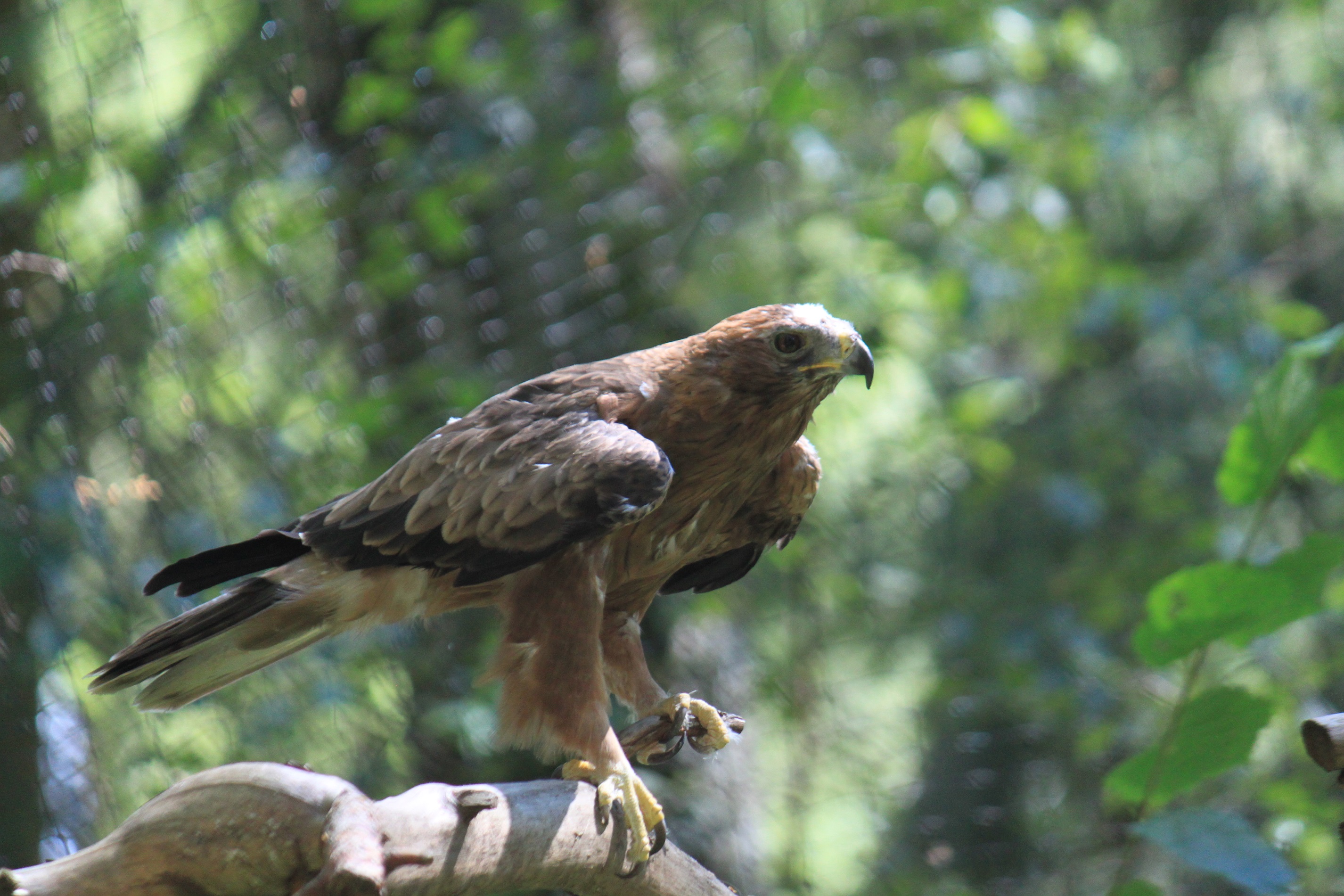
The Oberrabenstein Wildlife Park has also announced a new addition: a female booted eagle has been living in the former buzzard aviary for a week now. Another animal is due to follow.
The aviary was badly damaged by a storm and first had to be rebuilt. During this time, it stood empty.
The smallest European eagle species is not on display in any other zoological institution in Germany. These small eagles, about the size of a buzzard, are called "booted eagles" in English and French because of their feathers, which almost completely cover their legs.
Depending on their distribution area, booted eagles are highly migratory birds. The booted eagles native to Western Europe, for example, migrate to sub-Saharan Africa in September. The Eastern European breeding birds spend the winter in India. In warmer distribution areas, there are also year-round populations.
Opening hours in summer
Zoo: 9 am to 7 pm, last admission 6 pm
Game enclosure: 8 am to 6 pm, last admission 5 pm