

New female corsac arrives at Chemnitz Zoo
A tiger tarantula is the new resident of the tropical house
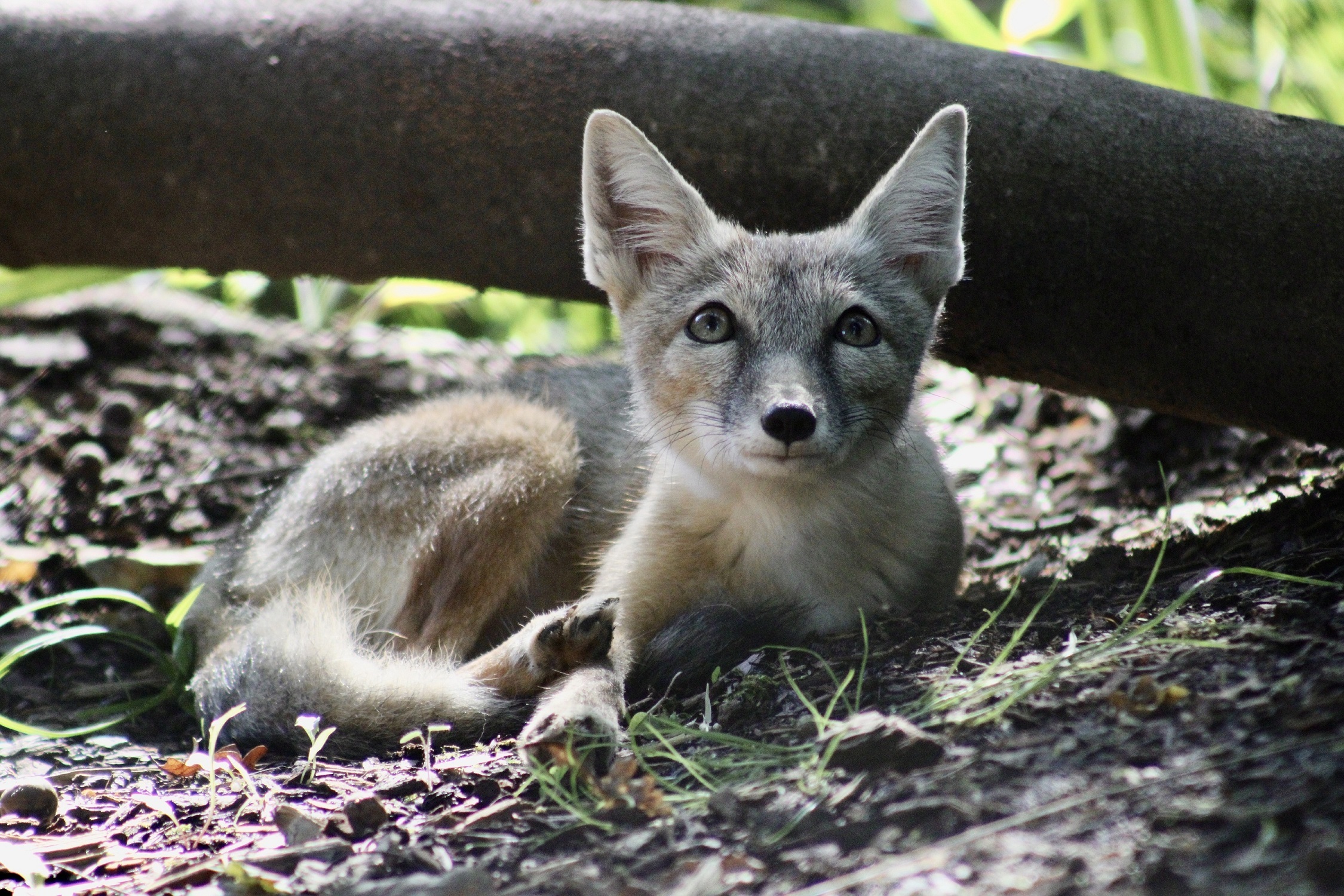
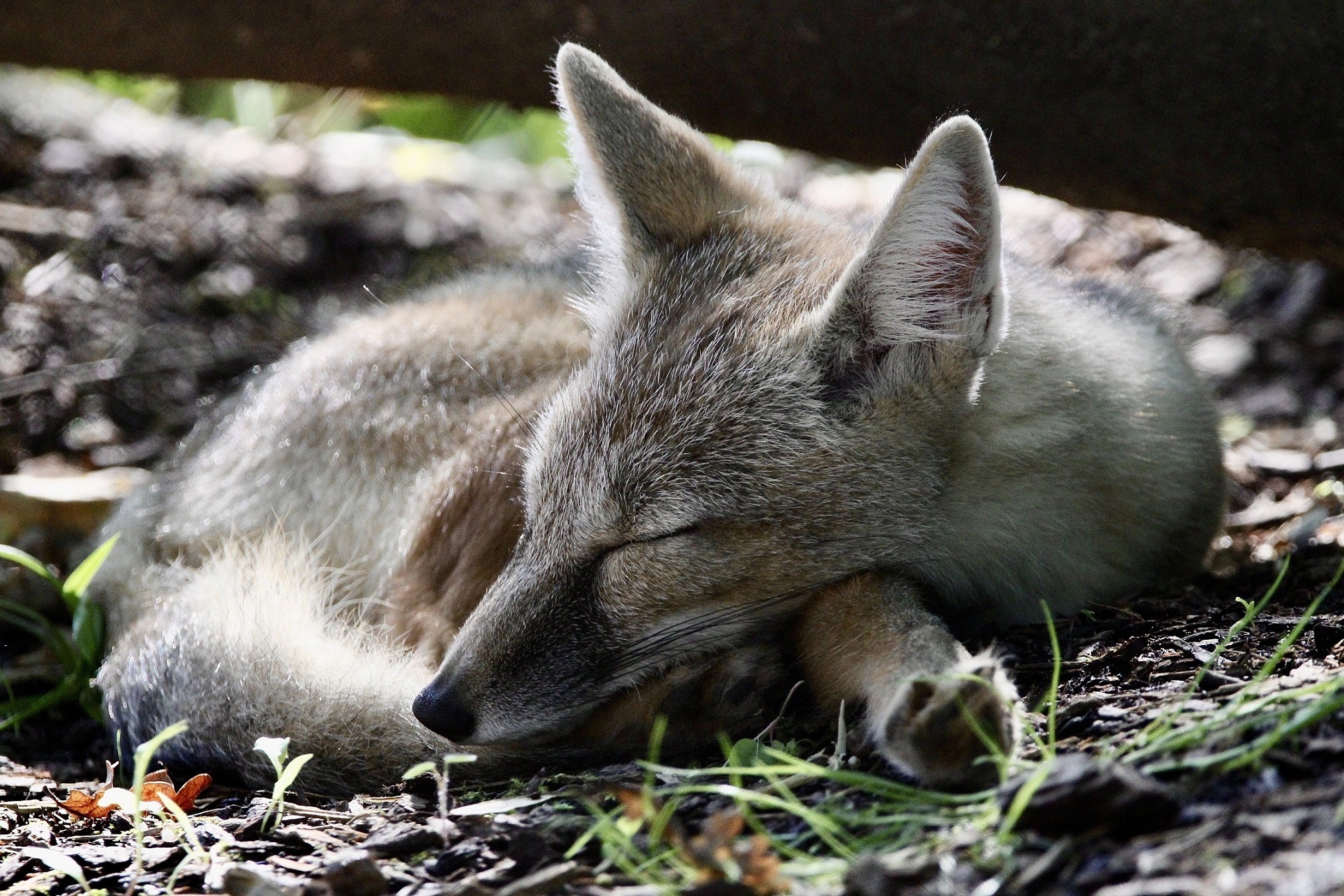
A new arrival, a young female corsac from Gotha Zoo, moved into the steppe fox enclosure at Chemnitz Zoo on 7 August.
The young animal has already settled in well and is now curiously exploring her new surroundings. The young vixen has a lively, spirited nature and loves to show herself to visitors.
Corsacs (Vulpes corsac), also known as steppe foxes, are native to the vast steppes and semi-deserts of Central Asia. They are perfectly adapted to living in open landscapes and are considered to be nimble, skilful hunters. The animals are active at dusk and at night and usually live in family groups. Their diet consists mainly of small mammals, birds, insects and reptiles. Occasionally they also eat carrion and plant-based food.
New resident in the tropical house: the tiger tarantula
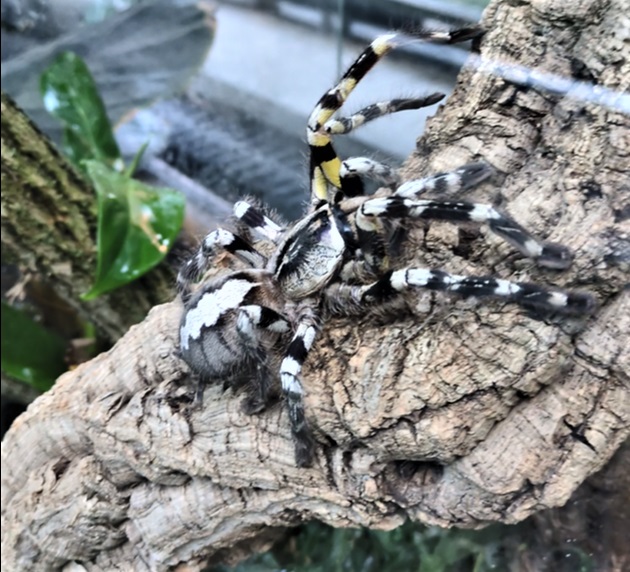
A special new arrival in the tropical house is a tiger tarantula (Poecilotheria regalis), which recently moved in and can now be marvelled at up close by visitors. Chemnitz Zoo has thus added another species to its tropical house.
The tiger tarantula is originally native to southern India. Its markings are impressive - hence its name. This species has a striking yellow pattern on the underside of the first two pairs of legs. This serves as a deterrent to predators, as yellow is a warning colour in the animal world. It feeds mainly on insects as well as small reptiles and birds.
"With this new species, we not only want to showcase the diversity of spiders, but also break down prejudices," says Silke Weiser, Head of Administration at Chemnitz Zoo. "Many people initially perceive spiders as scary - but they are highly interesting animals with exciting behaviours."
Adult tiger tarantulas are loners and only meet to mate. Even the mating game can quickly turn into aggression or hunting behaviour. As a result, the males are often eaten by the females during mating.