

Chemnitz Zoo: Offspring of a rare deer species
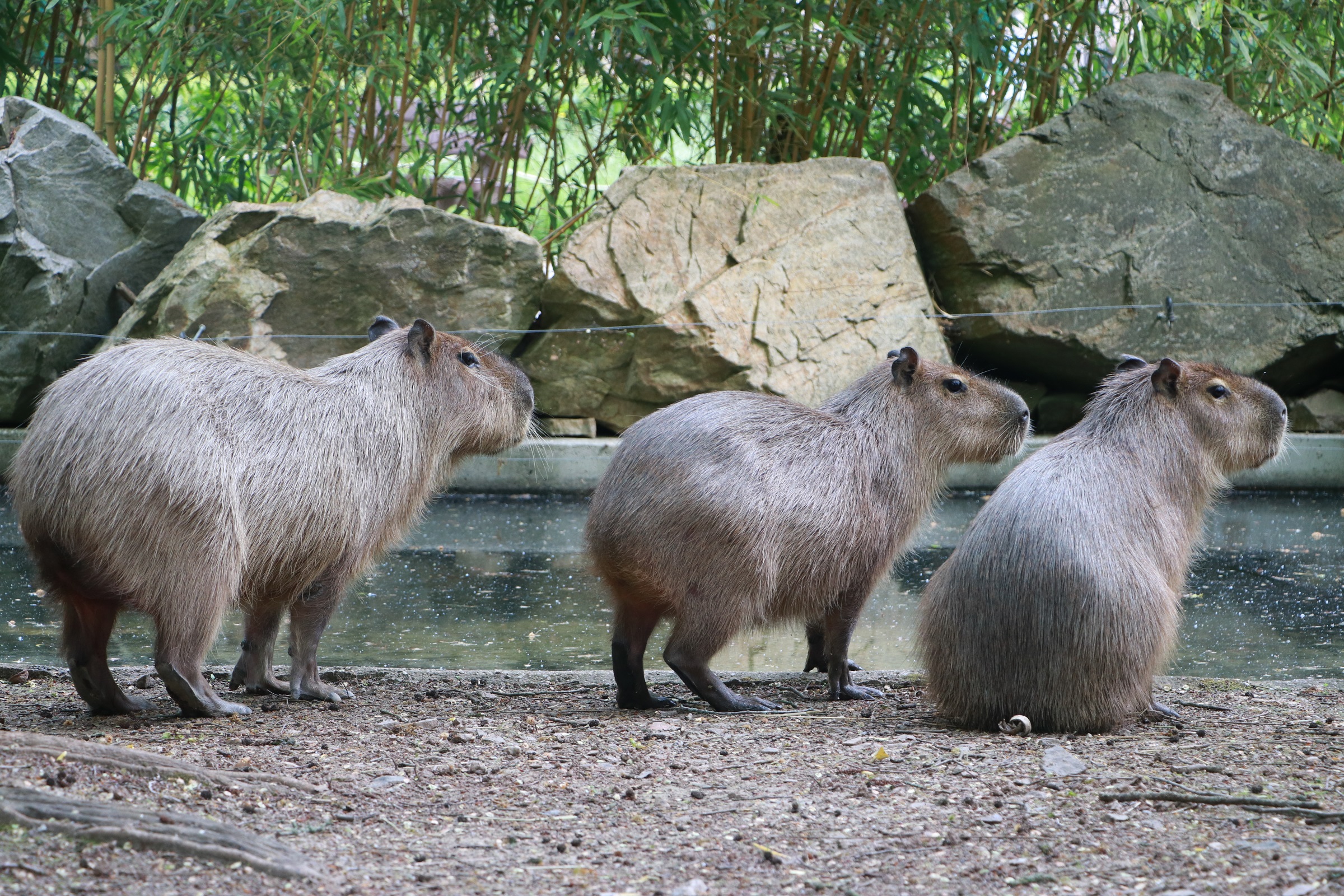
Capybaras move into summer quarters
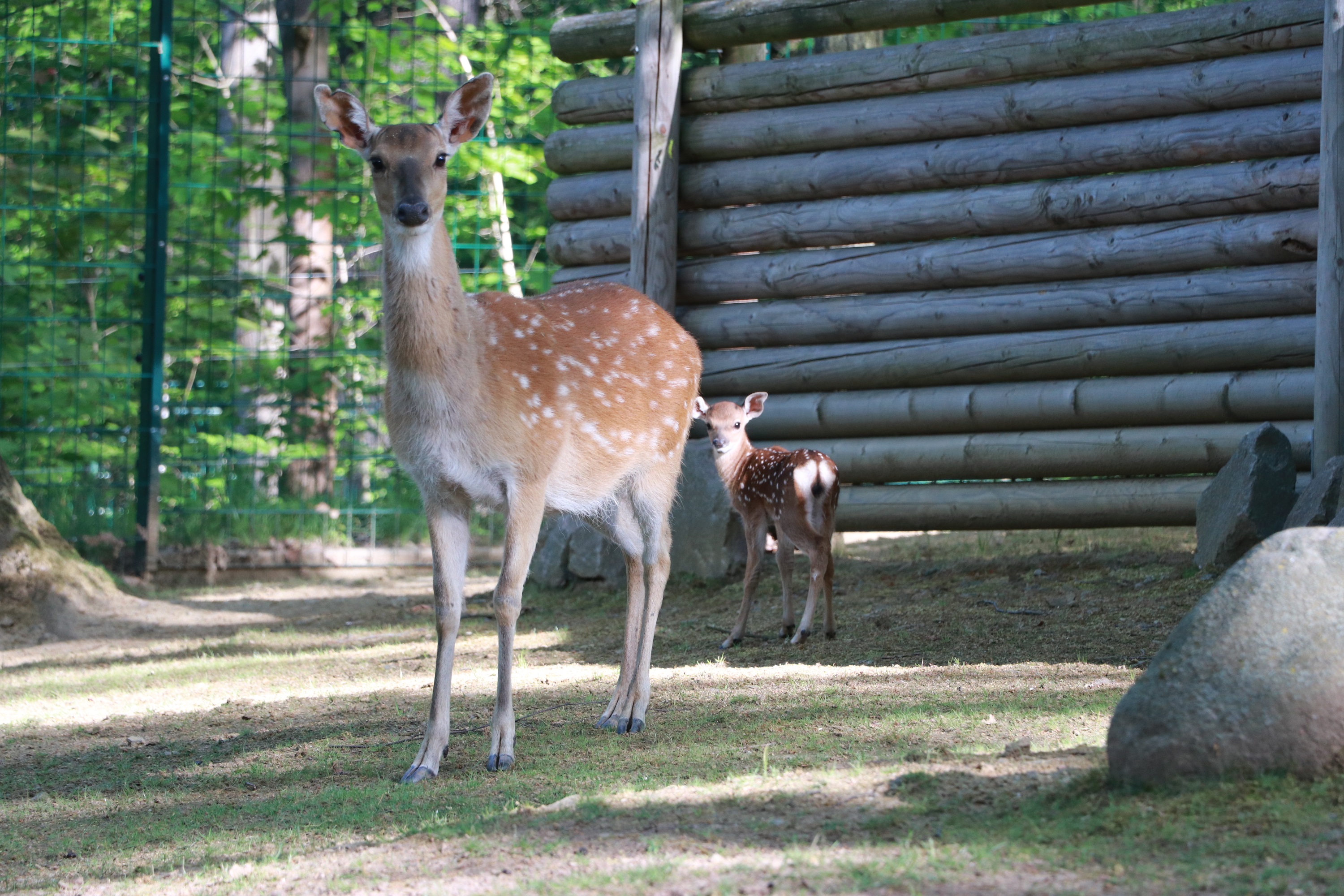
There are also many rarities among the almost 250 animal species at Chemnitz Zoo, including the antlered deer. The Vietnam sika deer and the Prince Alfred deer, two deer species that are highly endangered and only found in a few zoos, live at the zoo.
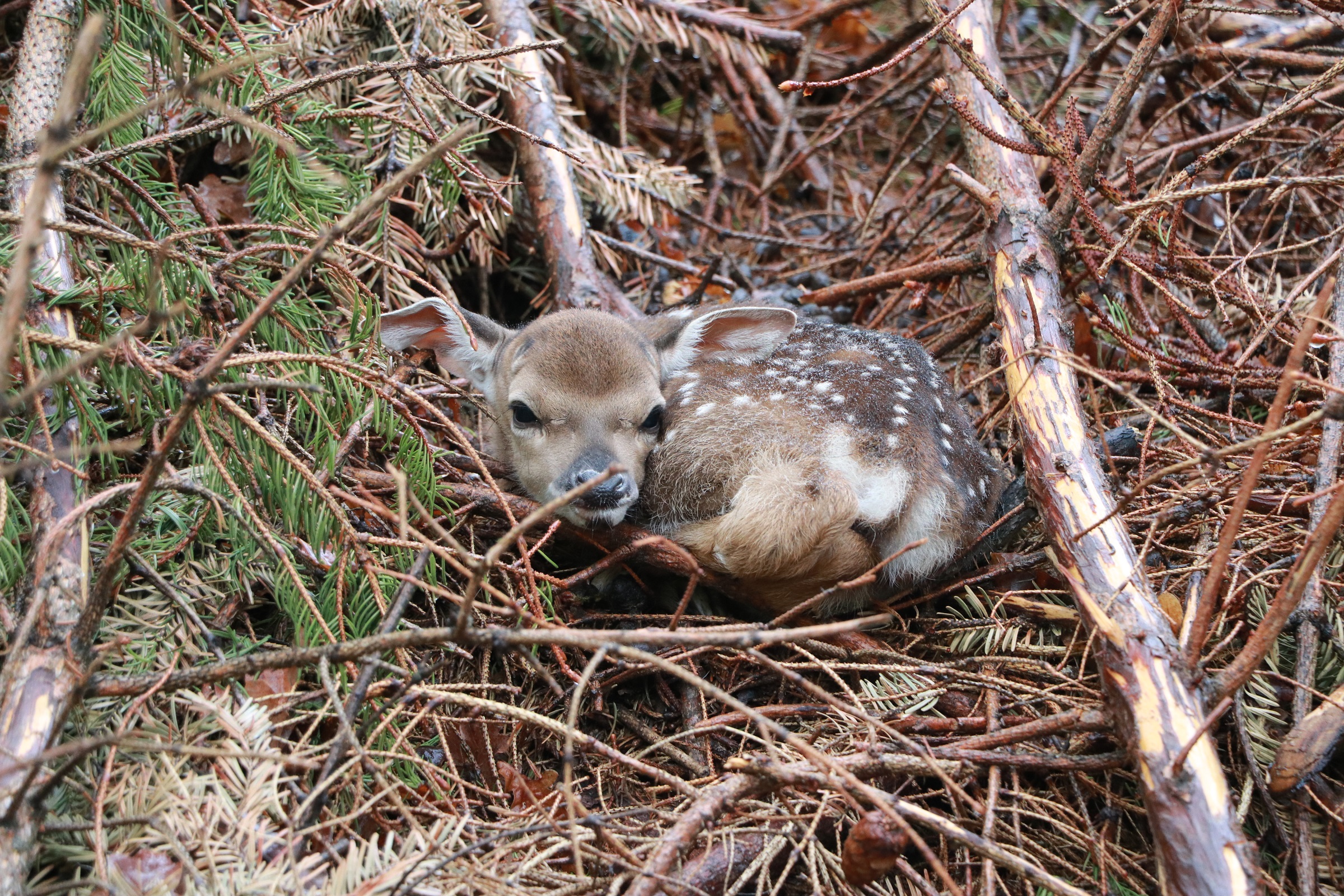
The sika deer gave birth on 10 May. As a typical "nest fugitive", the fawn is already fully furred and has fully developed sensory organs and is able to follow its mother shortly after birth. However, it often spends the first few days lying in the large pile of brushwood on the enclosure, where it is difficult to spot.
Although the juvenile coat of the sika deer does not differ quite as much from the appearance of the adult animals as we know it from red deer and roe deer, for example, the spots still fulfil the purpose of camouflage here too. The fawn blends in with its surroundings. In the meantime, however, it can often be seen in the enclosure, usually close to its mother.
The keeping of Vietnam sika deer only began last year. A female sika deer came to the zoo from Karlsruhe Zoological Garden and a female sika deer from Berlin Zoo. The two males came from Usti nad Labem Zoo in the Czech Republic. This combination of animals from different zoological institutions is an example of the work of coordinated conservation breeding.
As a species, sika deer are not endangered. Originally from East Asia, this deer species is now found in many parts of the world - including Germany - as a result of colonisation. However, individual subspecies are threatened with extinction or are already extinct in the wild - which often has to do with a very limited distribution area. In the case of the Vietnam sika deer, it is sometimes even assumed that this subspecies probably no longer exists in the wild. There are currently around 300 animals living in zoological institutions - and now another one at Chemnitz Zoo. This means that the zoo can once again report successful participation in a conservation breeding programme.
Capybaras move into summer quarters

Now that the temperatures are slowly stabilising at double-digit plus values at night, more animals can get out into the fresh air again at the zoo. Capybaras, which are used to warmer temperatures, can no longer be found in the Tropical House, but have moved into their summer quarters in the South America enclosure. They share these with the alpacas and the South American ratites, the nandus.
Thanks to the rising temperatures, it is now possible to let the pygmy hippos out into the outdoor enclosure during the day. Spider monkeys and meerkats have had access to the outdoor enclosure for some time now. This means that despite the ongoing closure of the Tropical House, some of the animals living there can once again be seen by visitors.
Opening hours in summer
Chemnitz Zoo 9 am to 7 pm, last admission 6 pm
Wildlife enclosure 8 a.m. to 6 p.m., last admission 5 p.m.