

Chemnitz Zoo: Offspring of a rare breed of cattle
More offspring in the pheasantry
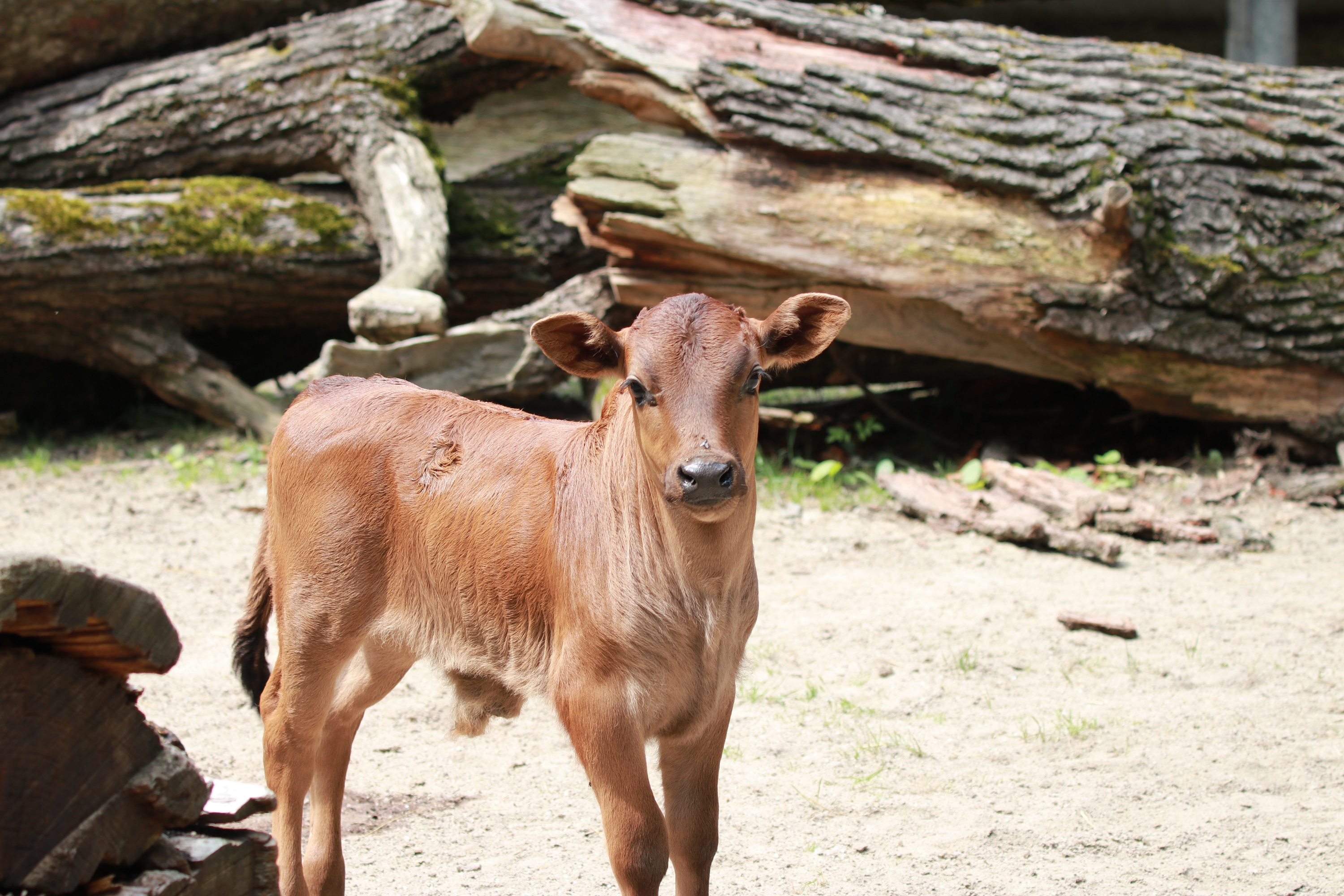
The herd of Caucasian dwarf zebus at Chemnitz Zoo has been growing since the beginning of June. Cow "Amira" gave birth to a little bull on 6 June. This is Amira's sixth cub - but her first in Chemnitz. The cattle breed, which was domesticated in Asia, has only been kept at the zoo since October 2019. The three zebus Max, Amira and Annabelle came to Chemnitz from Stralsund Zoo.
The young animal and its mother spent the first few days after birth separated from the other zebus. However, it is now well integrated into the herd and can therefore also be seen by visitors.
Dwarf zebus belong to the so-called humped cattle. The name zebu is derived from the Tibetan word for hump. With the hump that gives them their name, dwarf zebu differ significantly from the cattle breeds kept in Europe. The hump, which consists primarily of various muscles and less of fatty tissue, is more pronounced in males. Another characteristic feature is the pronounced dewlap on the neck of the Dwarf Zebus.
Most of the animals kept in Europe originally come from Sri Lanka. The representatives of the Caucasian breeding line are very rarely shown in zoological institutions. In Germany, apart from Chemnitz, they can only be seen at Stralsund Zoo and Tierpark Berlin. Chemnitz Zoo is therefore particularly pleased to contribute to the preservation of this rare breed of farm animal.
More offspring in the pheasantry
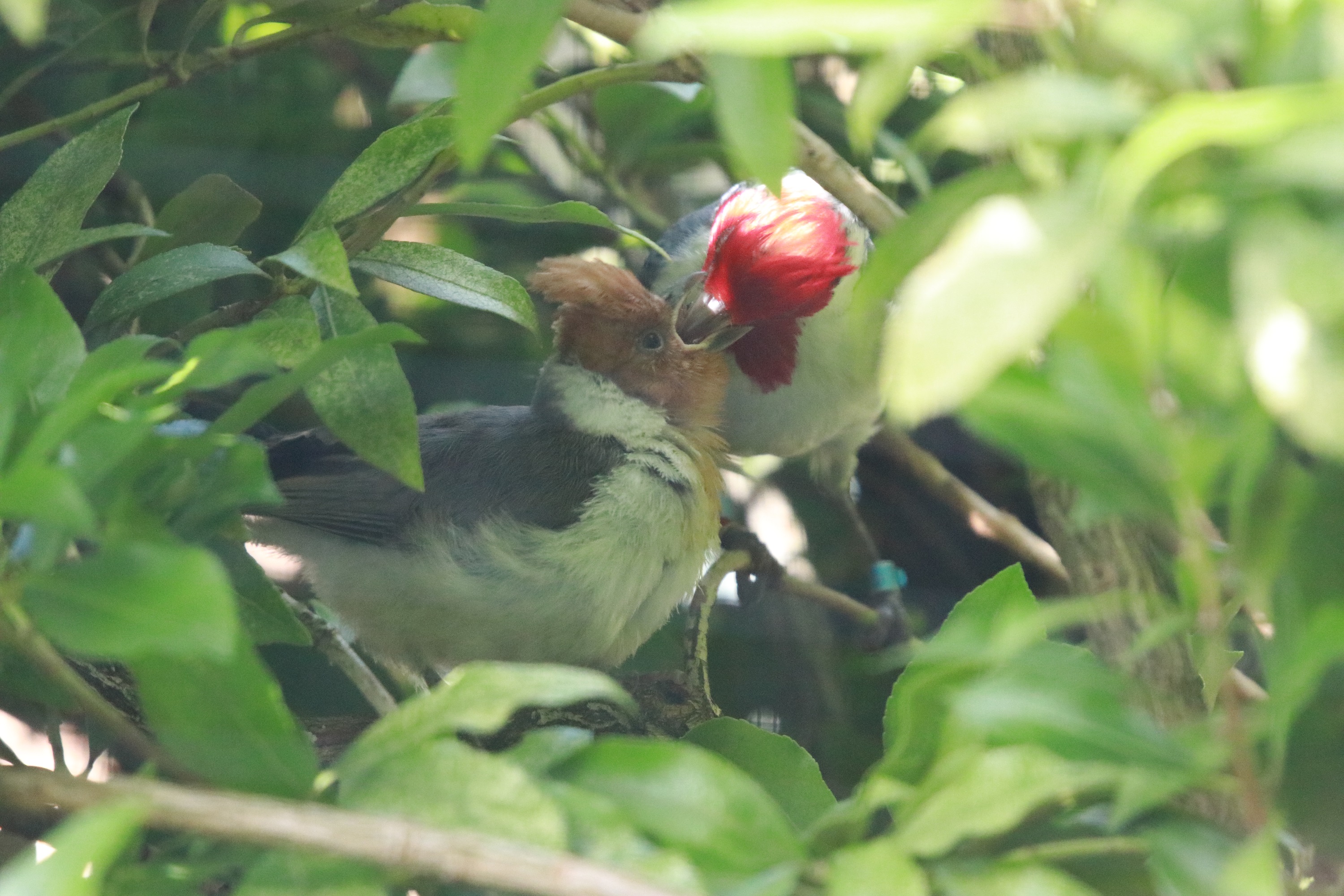
Many bird species have bred in recent weeks. For this reason, some young birds can be observed in the aviaries of the pheasantry at Chemnitz Zoo. This also applies to the grey cardinals.
Two chicks hatched here on 21 June. The two chicks left the nest on 6 July. However, they are still being cared for by both parents.
With a bit of luck, this behaviour can be observed at the zoo. At the moment, the young birds can still be easily distinguished from their parents due to their rather brownish-coloured crests. After the first moult, this will also turn a striking red colour.
Grey cardinals originally come from South America. This bird species is only shown in five zoological institutions in Germany. There are regular offspring at Chemnitz Zoo.
Opening hours in summer:
Zoo: 9 am to 7 pm, last admission 6 pm
Game enclosure: 8 a.m. to 6 p.m., last admission 5 p.m.