

Chemnitz Zoo: Offspring of a rare amphibian species
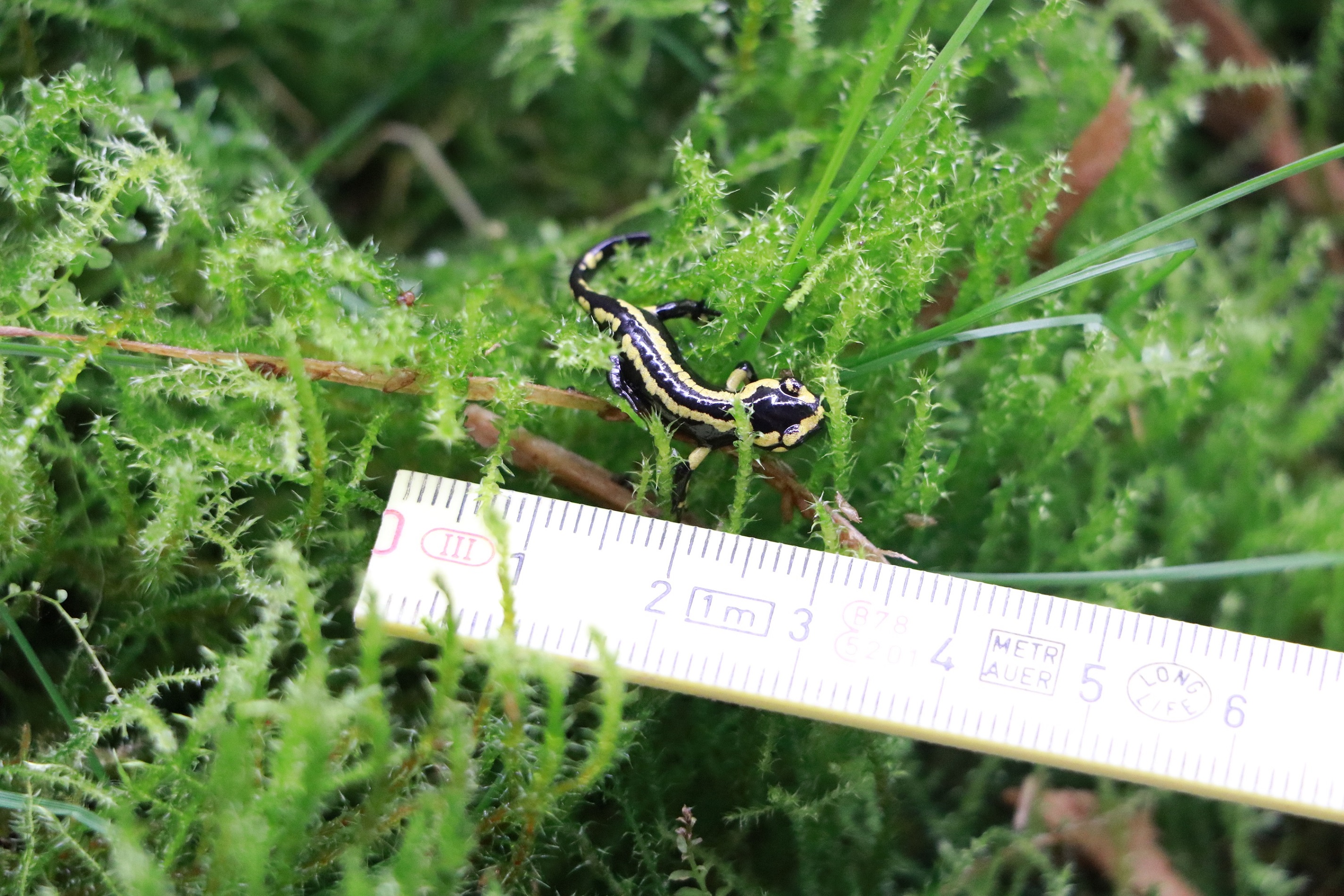
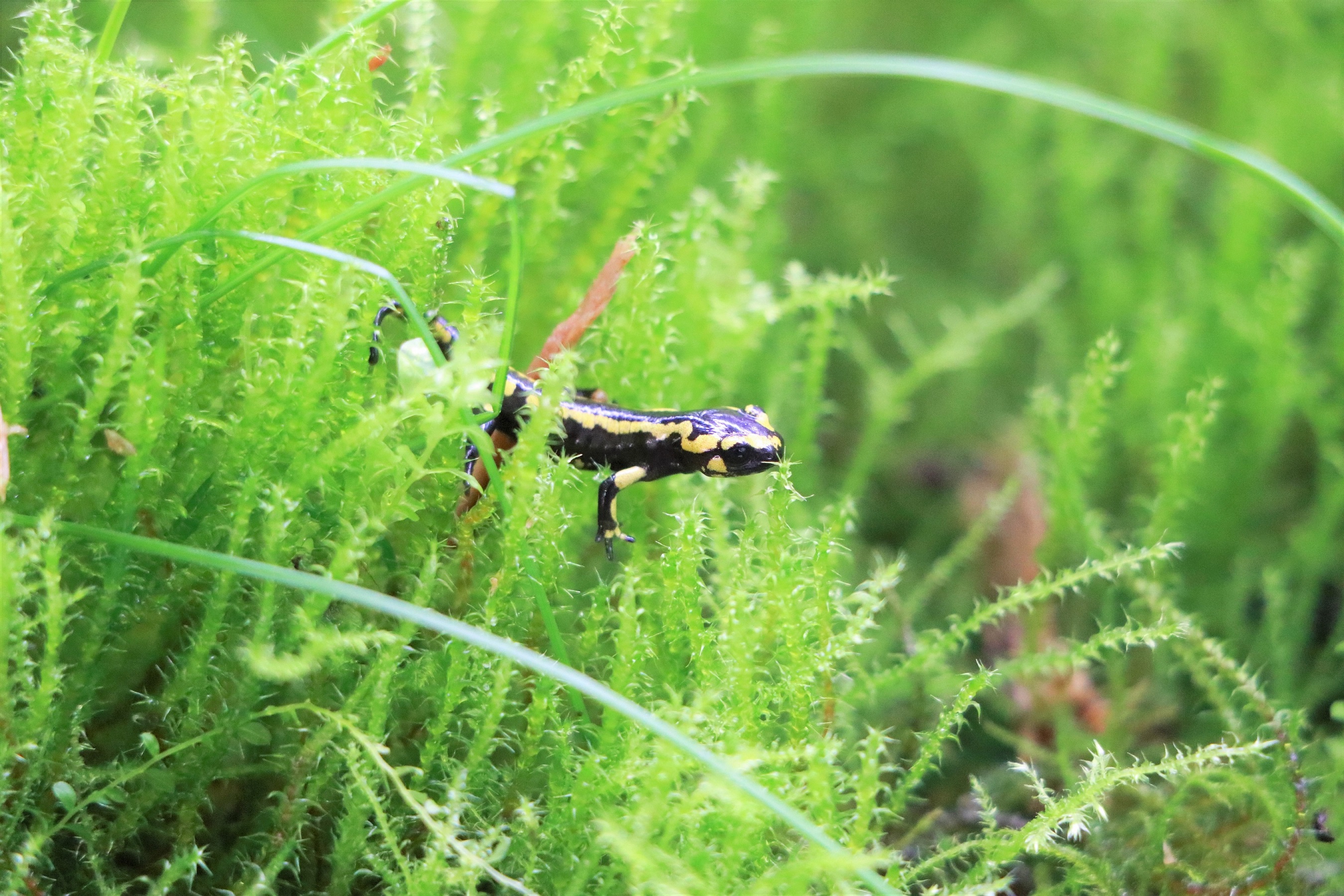
The Oviedo fire salamander has given birth in the vivarium at Chemnitz Zoo. The special thing about this subspecies is that fully developed young are born. In principle, all fire salamanders are considered viviparous, as they - unlike most amphibians - do not spawn. The eggs develop in the mother's body, where the larvae also hatch. These are then deposited in spawning waters and initially still have clearly visible gill branches. After metamorphosis, these have disappeared and the fire salamanders migrate to land and from then on breathe through their lungs.
In the northern Spanish city of Oviedo, there are hardly any spawning waters available to the fire salamanders living there, which is partly due to the urban landscape and partly due to the dry climate. In this respect, the young are born directly without gill branches and live terrestrially from the very beginning. This means that there is no transformation from larval form to adult animal. Only a few amphibian species have this special feature.
The vivarium is one of the special features of Chemnitz Zoo. It is home to more than 80 different amphibian species. These include many rarities - species that are rarely exhibited in zoological institutions or that are rarely found in the wild. These include the Oviedo fire salamander. The northern Spanish subspecies of the fire salamander is only exhibited at Plzen Zoo (Czech Republic), apart from Chemnitz.
Although the fire salamander as a species is not considered endangered on the Red List of Threatened Species, some of the individual subspecies are threatened with extinction, which is often due to the small size of the distribution area. In addition to the Oviedo fire salamander, four other subspecies are kept at Chemnitz Zoo: the Almanzor, the Banded, the Spotted and the Portuguese fire salamander.
As amphibians are considered to be the most endangered class of vertebrates in the world, Chemnitz Zoo makes an important contribution to the conservation of these species with its regular breeding programmes.
Unfortunately, the vivarium is currently not accessible to visitors in accordance with the current Saxon Corona Protection Ordinance.
Opening hours in September:
Zoo 9 am to 7 pm, last admission 6 pm
Wildlife enclosure 8 am to 6 pm, last admission 5 pm