

Chemnitz Zoo: Offspring among the meerkats
External feeding of zoo animals on the rise again
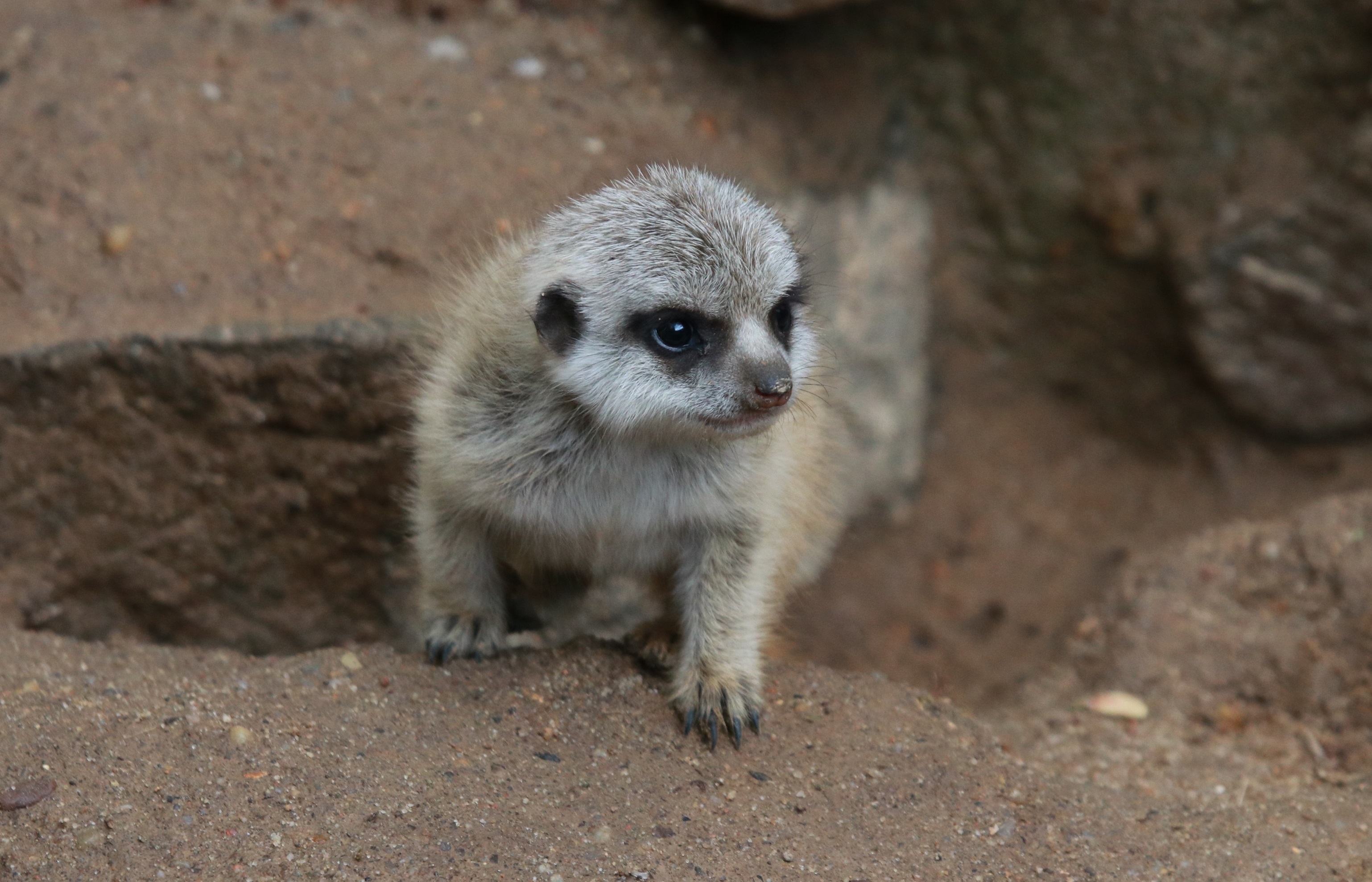
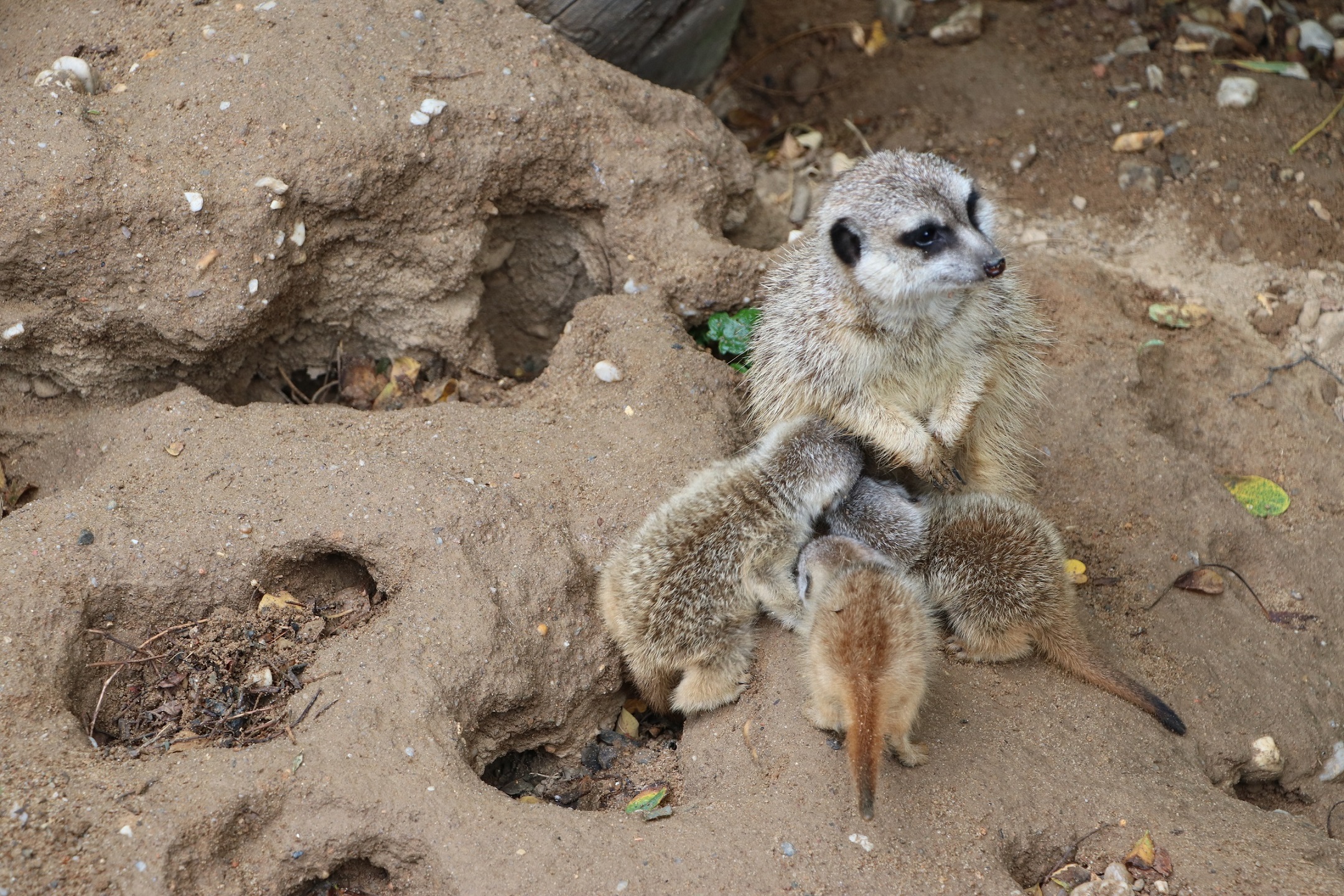
Since last week, the new offspring of the meerkats can be seen occasionally at the enclosure. On 20 July, the animal keepers discovered the young animals in their whelping box for the first time. With the latest offspring, the group at Chemnitz Zoo now comprises twelve animals. In the wild, these very sociable animals can live together in colonies of up to 40 individuals.
Like most predators, meerkats are nest-builders, i.e. they only leave the protective den in which they were born after a certain period of time. In addition, meerkats still have their eyes and ears closed at birth. These only open after about two weeks.
In the meantime, the young are already busy exploring the enclosure - always under the watchful eyes of the family members. All the animals in the colony are involved in rearing the youngest offspring. The young animals also retreat to one of the caves for a break, where they are still suckled by their mother.
The small predators are undisputedly among the absolute favourites of visitors to Chemnitz Zoo.
External feeding of zoo animals on the rise again
Chemnitz Zoo is well attended during the Saxon summer holidays despite some corona-related restrictions. Unfortunately, with the increase in visitors, unauthorised feeding of the animals in the facility is also on the rise. Many visitors believe they are doing something good for the animals (and the zoo). Or they want to energise the animals by feeding them. Some certainly also assume that they are entitled to this by paying the entrance fee.
As a general rule, you should not feed other people's animals without the knowledge and permission of the owner or keeper, whether in a zoo, wildlife park, farmer's paddock, pond or over the neighbour's garden fence. Every individual has a balanced diet in terms of quantity and quality of food, and any deviation can be harmful. Digestive disorders, obesity, behavioural deviations, failure of therapeutic feeding etc. as well as irritation on the part of the owner (why isn't my pet eating today?) are the result. In the worst case, the animals become ill or even die due to the wrong or too plentiful food.
In zoos, feeding the animals should be left exclusively to the animal keepers. They undergo a demanding three-year training programme, which is incredibly varied, and know what their charges are allowed to eat and how much of it is healthy and whether the vet has prescribed a diet.
The general feeding ban is pointed out in the zoo's visitor regulations, which visitors recognise when they purchase an admission ticket and enter the facility. Various notices, including pictograms, can also be found on the grounds.
Failure to comply with the feeding ban is therefore a violation of the visitor regulations and may result in removal from the premises or even a ban from the premises.
If an animal is harmed, the perpetrator can be held liable for damage to property (animals are considered property). In the event of attempted or negligent cruelty to animals or other animal abuse, this will be penalised in accordance with the Animal Protection Act. Therefore, every single visitor should think very carefully about the possible consequences of their own actions.
Opening hours in summer:
Zoo: 9 am to 7 pm, last admission 6 pm
Game enclosure: 8 am to 6 pm, last admission 5 pm
www.tierpark-chemnitz.de