

Chemnitz Zoo: Offspring among the liszt monkeys
Primate species is considered endangered
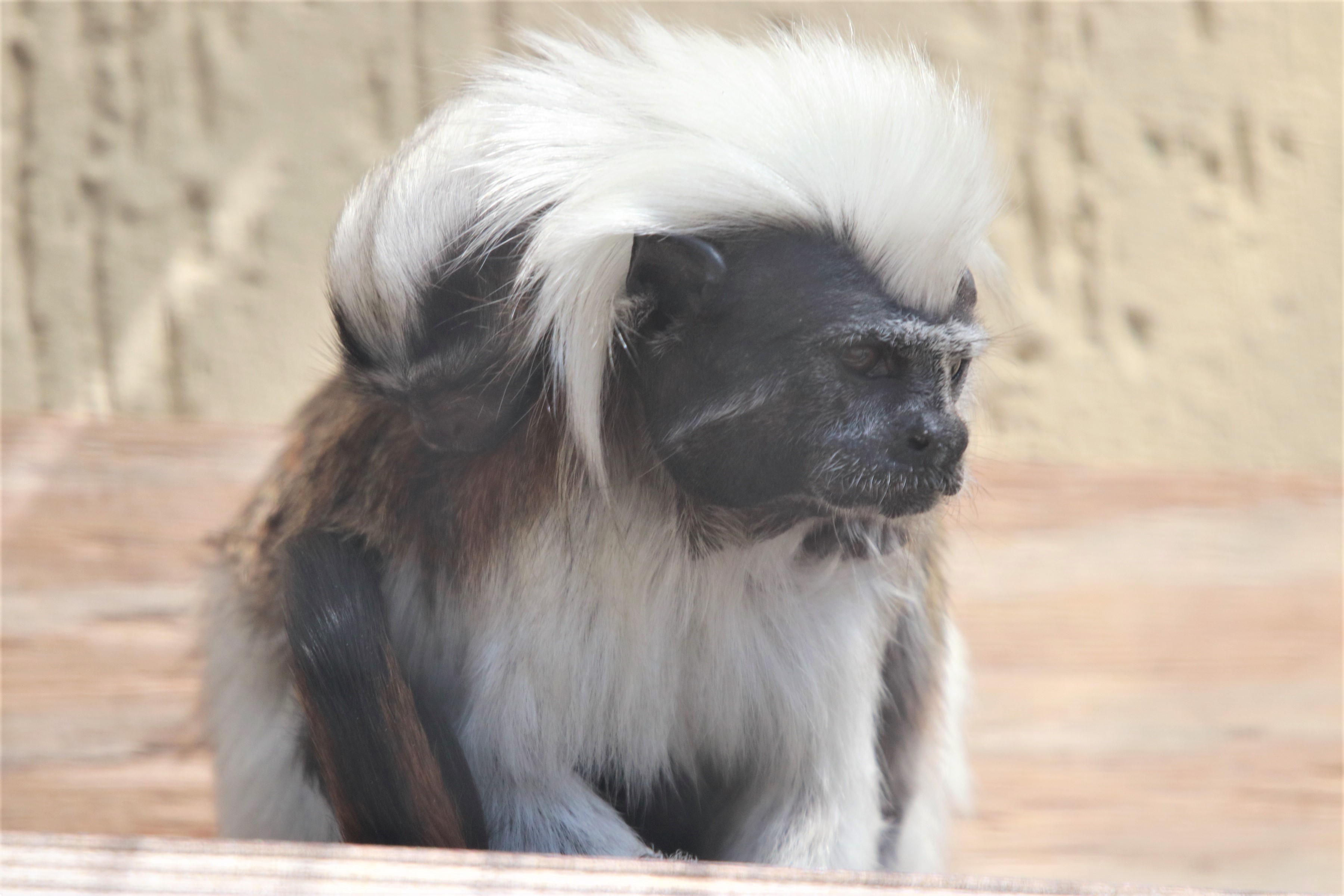
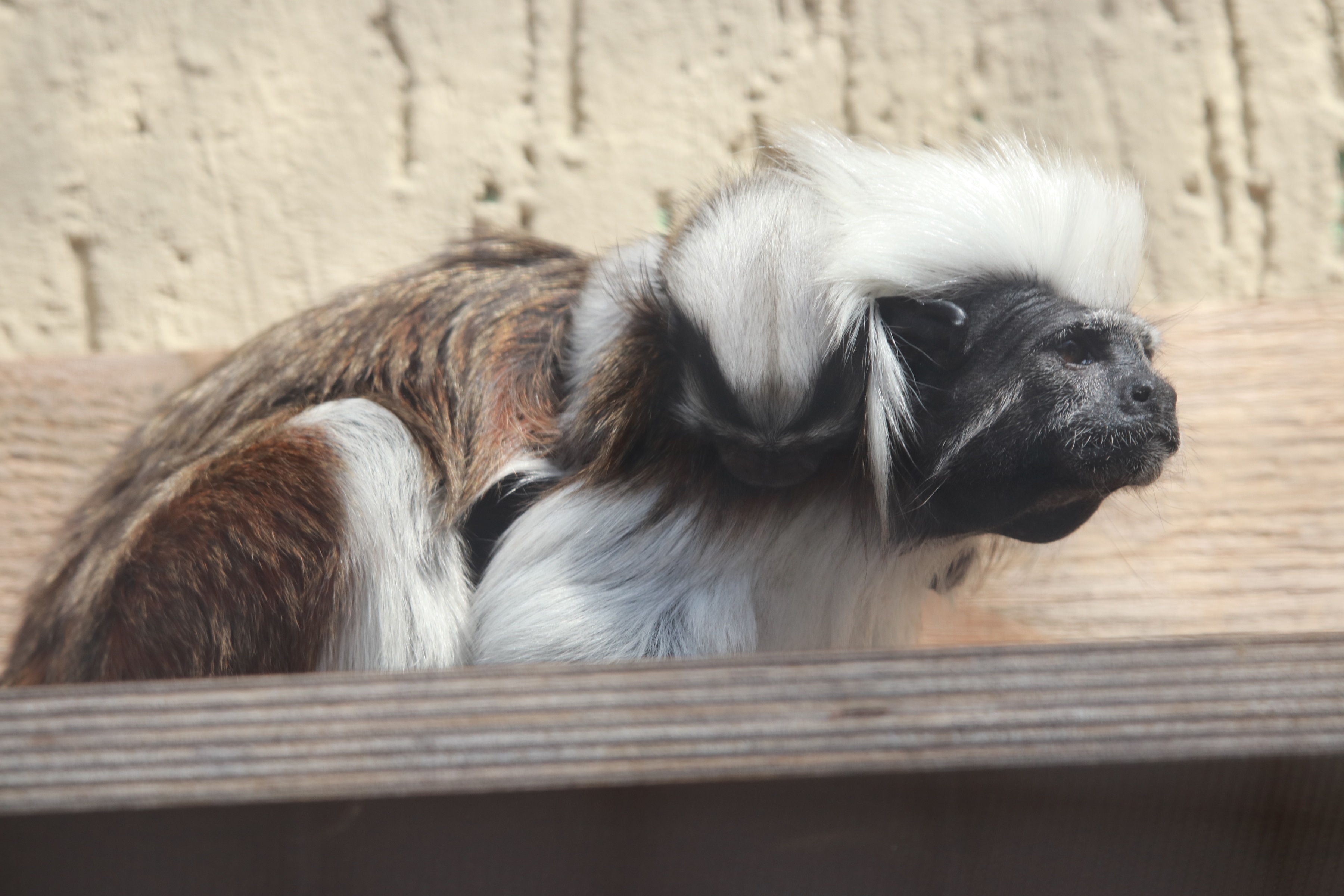
For the second time, the breeding pair of liszt monkeys that have been living together at Chemnitz Zoo since the beginning of 2020 have had offspring. On 9 April, the zookeepers discovered a young animal on the father's back.
The co-operation of the whole monkey family in rearing the young is a special feature of marmosets, to which the liszt monkeys belong. This increases the chances of survival for the offspring. In addition, the older siblings, who often remain in the family group for some time, can gain experience in rearing their young. Ultimately, of course, the female is also relieved, as the young are often only given to the mother for suckling.
Liszt's monkeys are among the most endangered primates in the world. They are on the IUCN (World Conservation Union) Red List of Threatened Species and are categorised as critically endangered - the highest of three endangerment categories. The population of this species, which is exclusively native to Colombia, has declined drastically in recent years. As is so often the case, the main reason for this decline in the overall population is the ongoing destruction of the habitat.
This makes the successful and coordinated breeding of endangered species such as the liszt monkey all the more important. This species has been successfully kept and bred at Chemnitz Zoo for many years.
Although the marmoset house, like all animal houses, is currently not accessible to visitors, the animals can often be seen in the outdoor enclosure - especially in good weather.
Opening hours in May:
Chemnitz Zoo: 9 am to 7 pm, last admission 6 pm
Game enclosure: 8 am to 6 pm, last admission 5 pm
Registration is currently required for a visit at www.tierpark-chemnitz.de.