

Chemnitz young storks die on rubber rings
Animals in Wittgensdorf and Grüna suffer from a lack of food
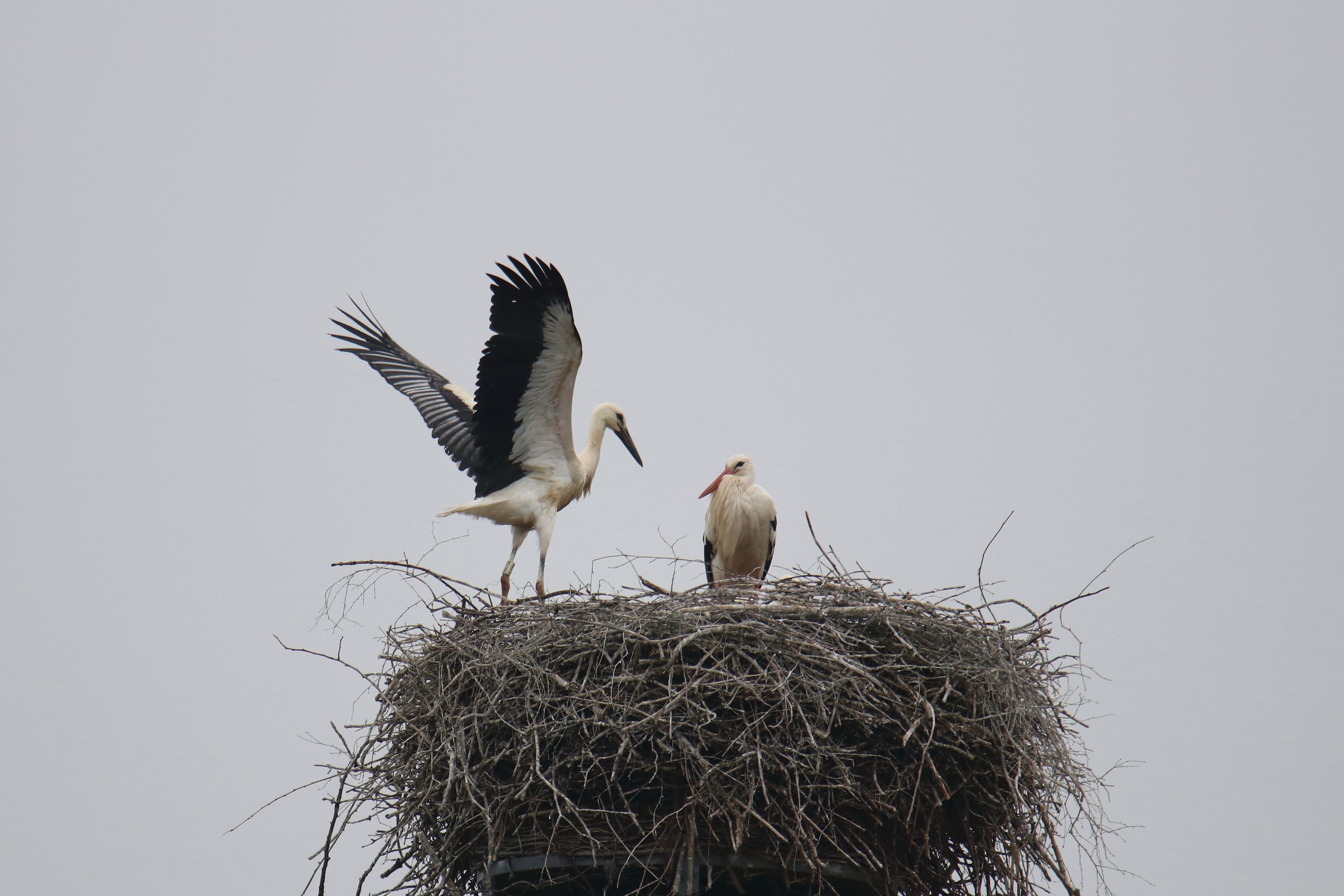
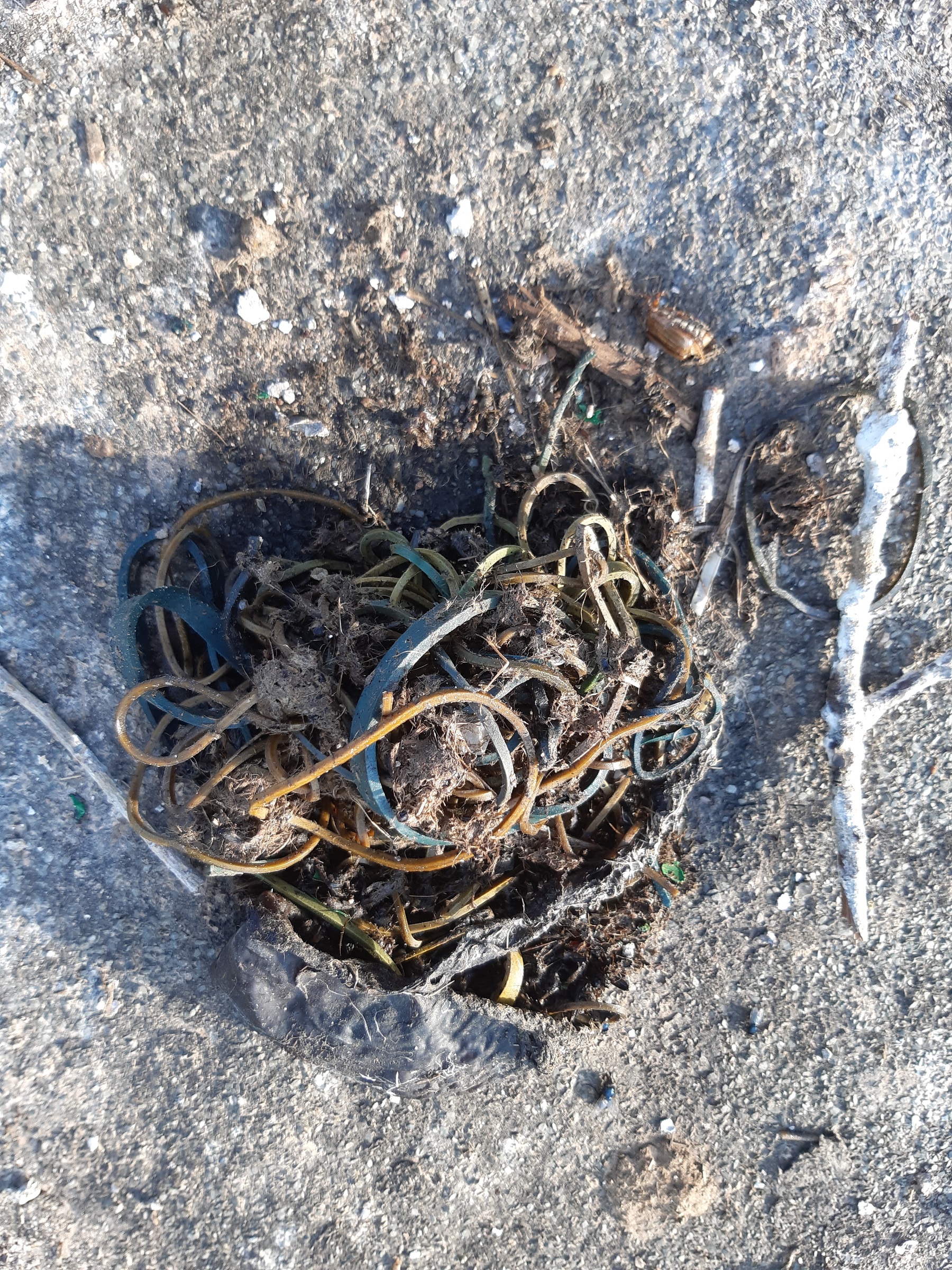
Ornithologists have discovered several dead young storks at the breeding sites for white storks in Wittgensdorf and Grüna. According to the environmental agency, two young storks had already died at the eyrie in Grüna due to lack of food or had been thrown out of the nest. At the end of June, the two remaining young storks in Grüna and a young stork in Wittgensdorf died in quick succession. An ornithologist examined the young storks and discovered that their stomachs contained huge bales of household chewing gum.
In recent years, Wittgensdorf and Grüna have become traditional breeding sites for the white stork. In previous years, two to three young storks were successfully raised in each eyrie. This year, too, three young storks hatched in Wittgensdorf and four in Grüna.
However, unlike in previous years, the storks can hardly find any food. They often have to travel unusually far from the eyrie and take long flights to find food for their young. Due to the persistently dry weather, earthworms have retreated into deep layers of soil and are inaccessible to the white storks. Other food sources such as amphibians and insects are also very scarce. In addition, there are far fewer mice this year than in previous years.
Household rubbers are also dangerous for white storks. The rubber bands look like worms to the storks, and the texture is also very similar. The resemblance to earthworms is fatal for the animals: the rubber bands are readily eaten and fed to the young. Once a white stork has swallowed a large quantity of these bands, they ball up as an indigestible mass in the stomach. The parents are usually able to expel or regurgitate the gums as pellets (or spit balls). Young storks are not yet able to do this. If the stomach is overfilled with gummi, they no longer accept food, become apathetic and starve to death with a full stomach.
It can be assumed that the household gums come from vegetable waste that is disposed of in composting plants. Unsaleable or spoilt market vegetables often end up in the composting facilities or are disposed of in the organic waste bin together with the gummies. We all need to separate our waste carefully and dispose of plastic waste and household rubbers separately from organic waste.
If the white storks are to have a permanent home in Chemnitz, it is essential to improve the food supply. An important contribution is the preservation and development of species-rich wet grassland near the nests. Good cooperation with landowners and land users is essential for this. The Lower Nature Conservation Authority is planning a "White Stork" species conservation conference for December 2022 in order to focus on white stork conservation issues.