

Bat trapping campaign brings new insights
The nocturnal hunters roam through the Stärkerwald forest between Reichenbrand and Neukirchen.
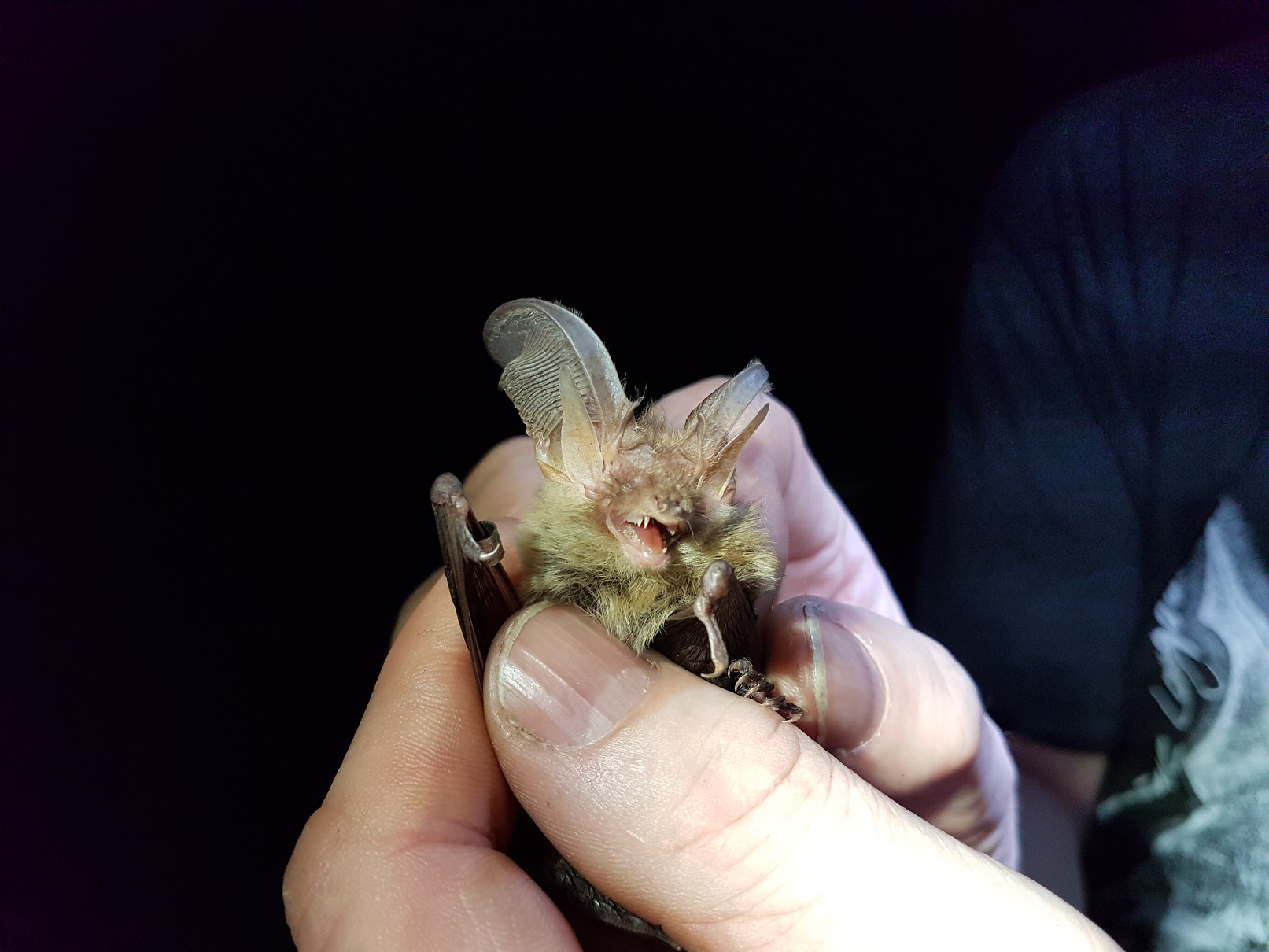
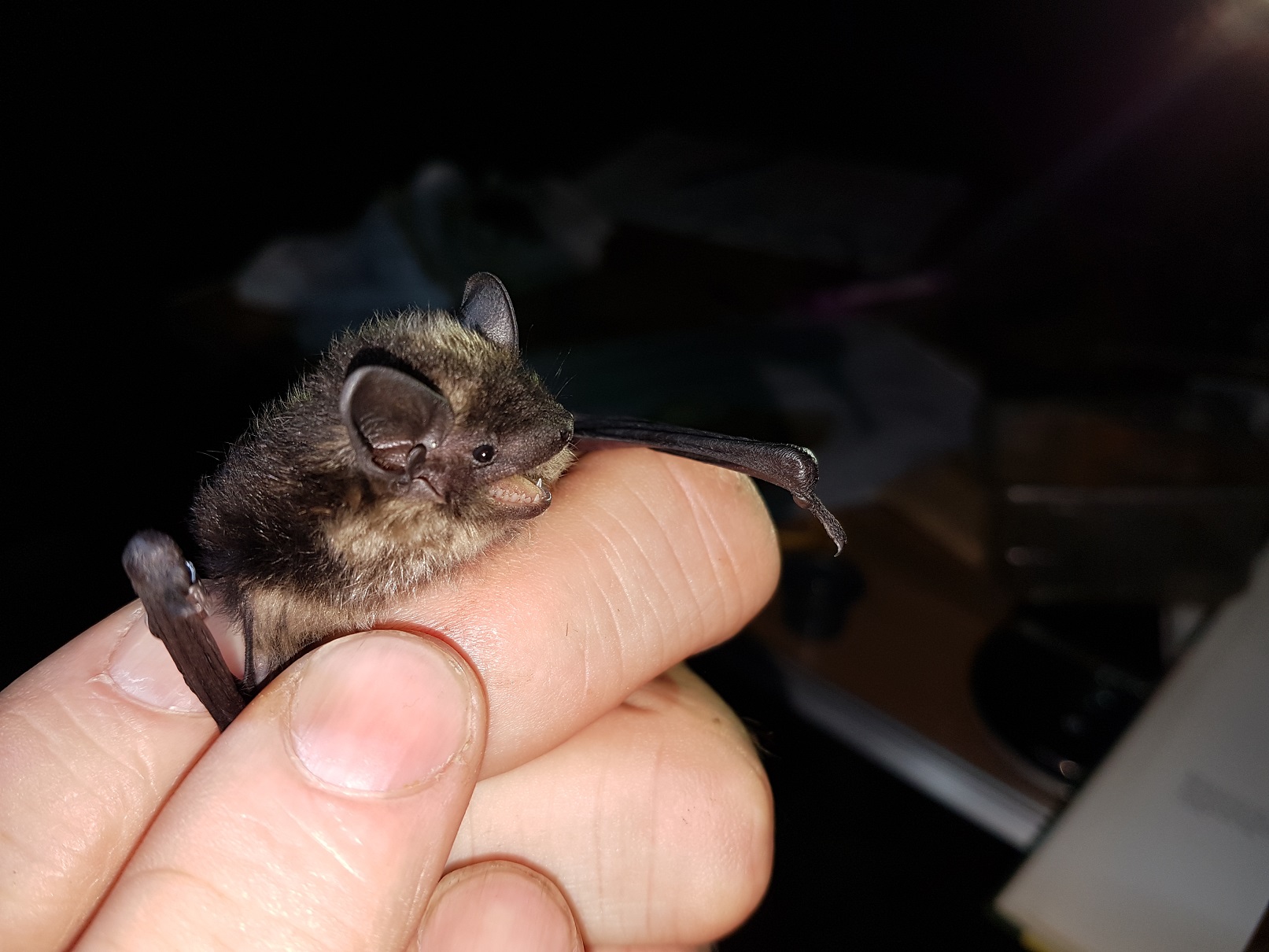
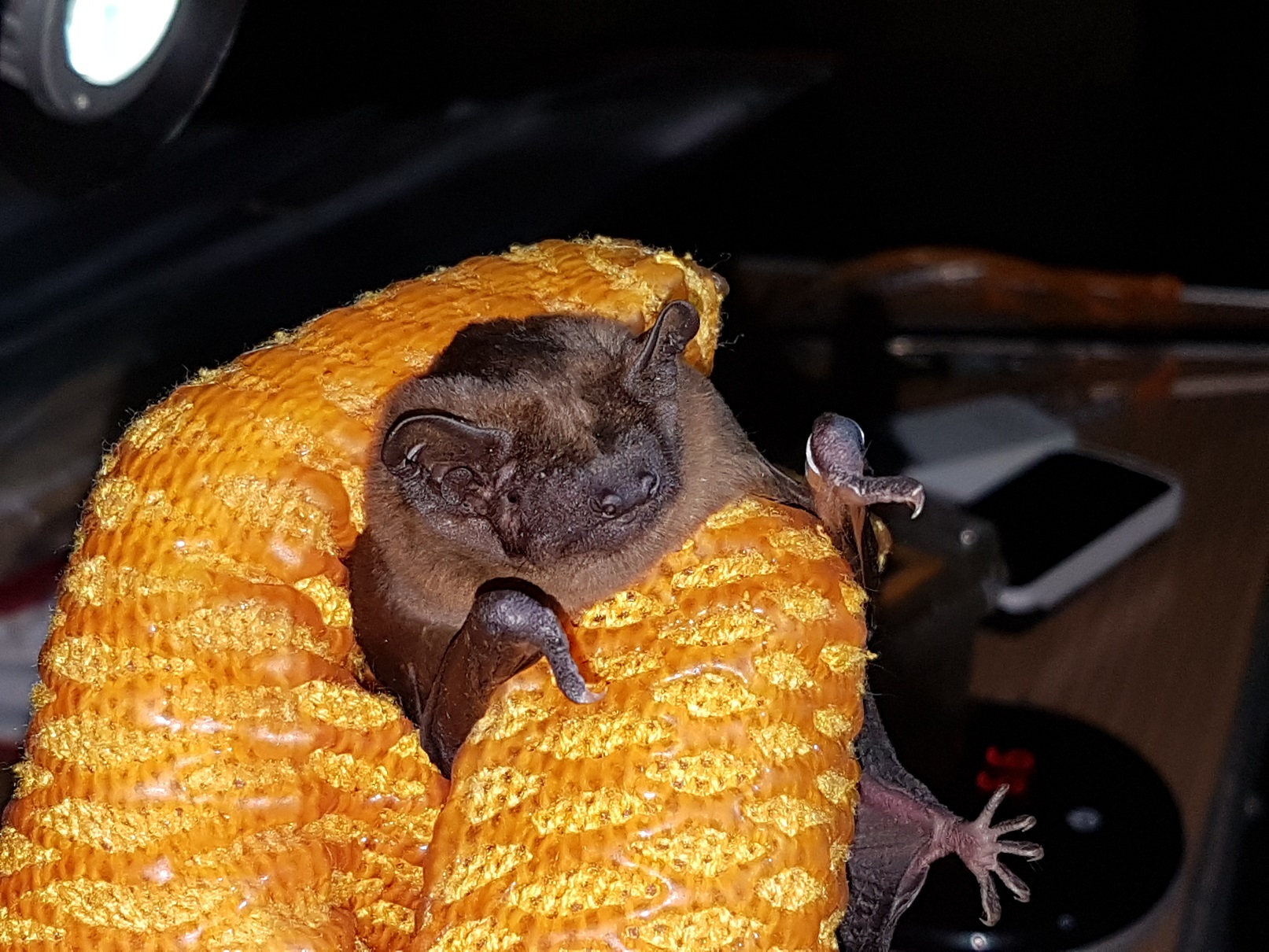
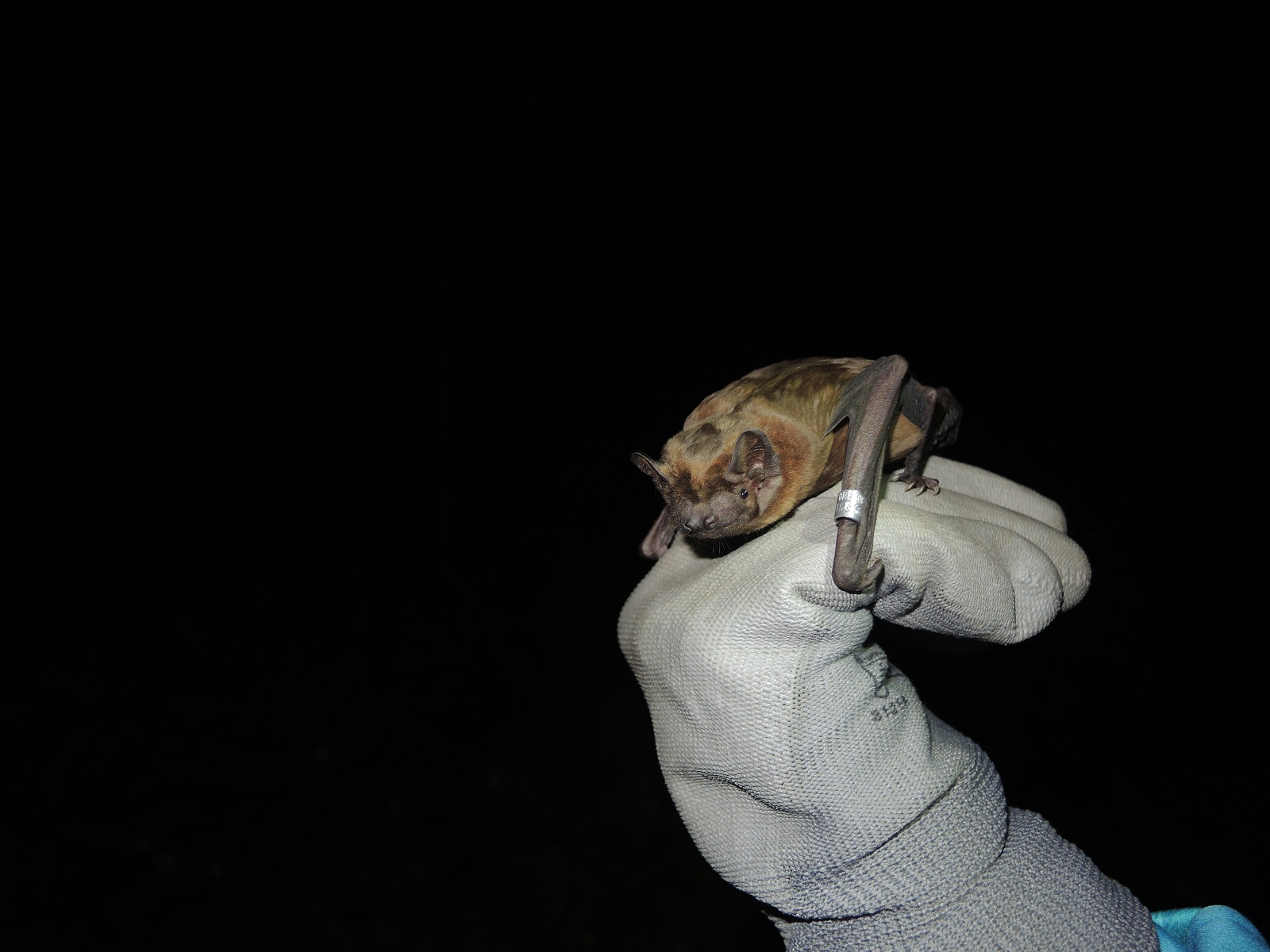
Near-natural forest development has positive effects for many animal species that benefit from old trees: After six bat species had already been detected in the Stärkerwald forest in 2016 during net trapping, another recording campaign took place one night in July.
This time, the trappers came across seven species, which they caught and subsequently ringed. Four of these species had not yet been recorded in 2016. This means that ten bat species have now been recorded in the Stärkerwald forest.
All bat species in Germany are endangered to a greater or lesser extent and are subject to strict legal protection. This is because their food source - insects - and suitable hiding places and resting places are becoming rarer. Structurally rich forests with ponds, neighbouring grassland and gardens, as is the case with Stärkerwald, offer bats an ideal habitat. The highlight of the trapping campaign was the identification of a female nymphal bat (Myotis alcathoe), which has only been described as a separate species since 2001. It can be "tracked" (technical term: telemetered) for around ten days until the transmitter falls off again. The aim of telemetry is to find the nursery roost. Nurseries are roosts where pregnant females come together, give birth and nurse their young. This time, the telemetry revealed that the roost is located on a dead spruce tree under protruding bark. This is an important finding for forest owners and foresters: dead spruce trees, which offer hardly any breeding opportunities for bark beetles, can be important habitats for bats.
The Stärkerwald owes its name to the Chemnitz hosiery manufacturer Arthur William Stärker, who acquired these plots of land in Reichenbrand in 1906 and had them planted and landscaped by experts. As the family's summer residence, the area was largely fenced in and structured like a park.
There was a toboggan run, an ornamental garden with rhododendrons, azaleas and yews, woodland clearings and an avenue of chestnut trees. After 1945, the park became overgrown. The fencing was torn down, illegal firewood was cut out of necessity and the Stärkerwald was assigned to the state forestry enterprise. Since 1990, the Stärkerwald has been owned by the city of Chemnitz.
The orchards to the south of the Stärkerwald have been designated as an area natural monument (FND) since 1994 and the Kaßbergbach floodplain as an FND since 2008. The forest, which is now very close to nature, is one of the three FSC reference areas designated as natural forest development areas according to the new FSC standard of 2018 by the city council resolution of 5 April 2006. This means that there has been no forestry intervention for over 15 years.