

Chemnitz, European Capital of Culture 2025, reached around 3.5 million people
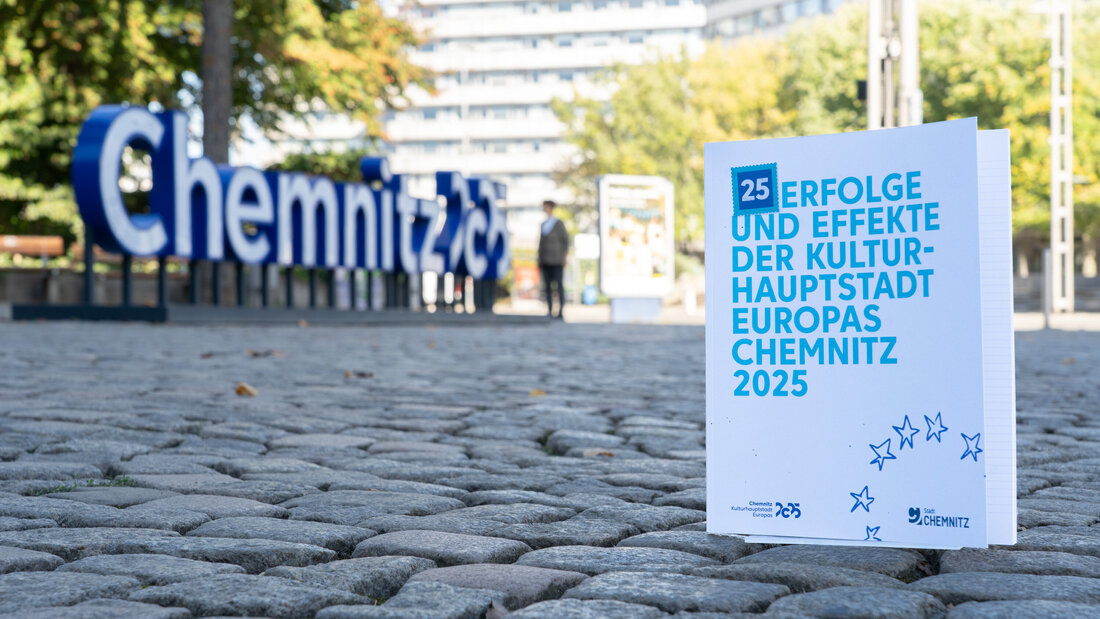
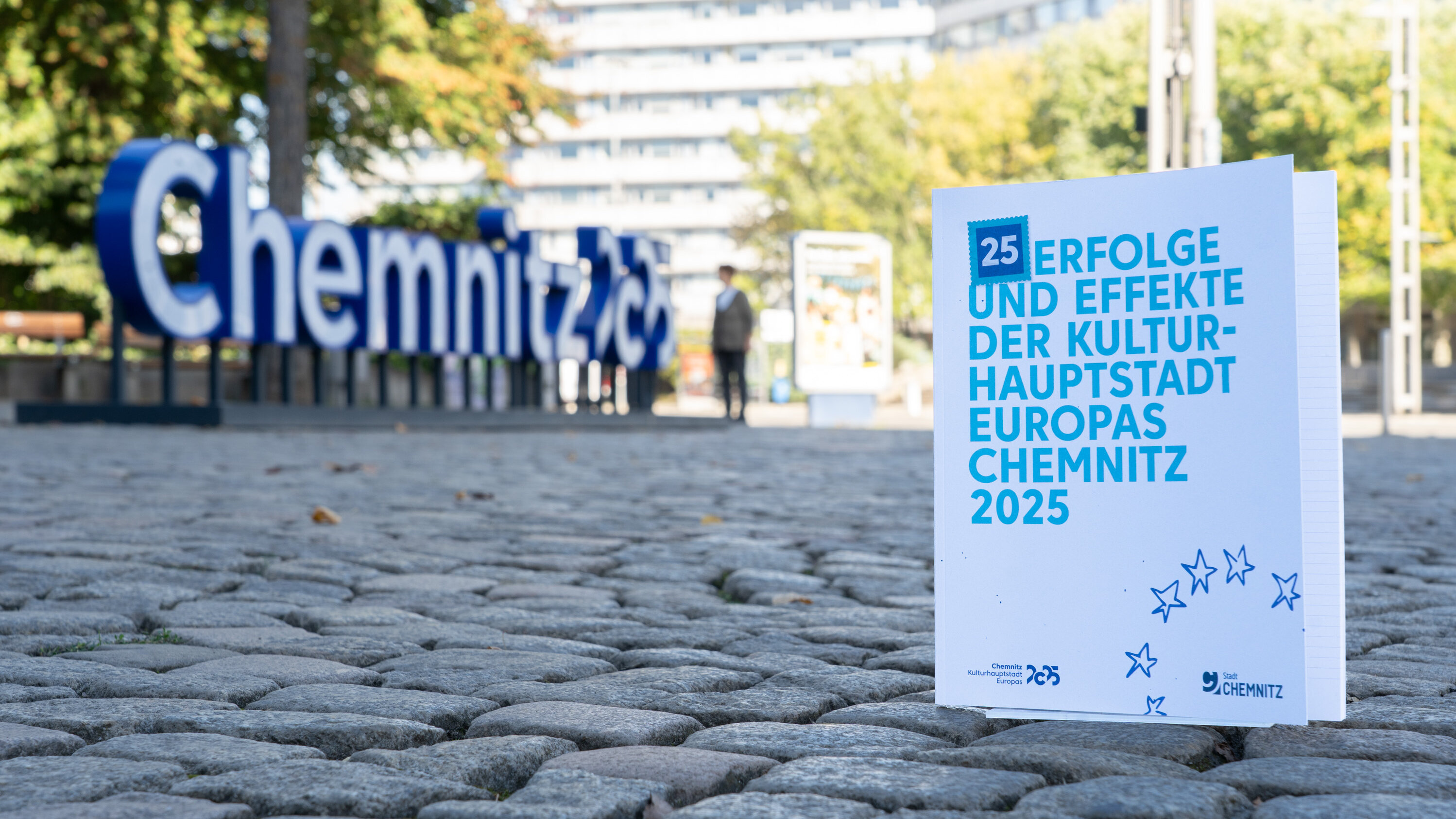

Chemnitz 2025, the European Capital of Culture, reached around 3.5 million people, thereby significantly exceeding its original target of two million visitors. A new brochure published by the City of Chemnitz, entitled ‘25 Successes and Impacts of Chemnitz 2025 – European Capital of Culture’, summarises the key outcomes of the title year and documents them on the basis of event data, academic analyses and statistical surveys. The findings highlight impacts in the areas of culture, tourism, urban development, civic engagement, European cooperation and social cohesion.
The European Capital of Culture has brought about lasting change in Chemnitz: visible in our city, measurable in the available data, and evident in the way many people see themselves. The results show that our joint investments in culture, participation and international cooperation will have an impact well beyond the year 2025. The European Capital of Culture year marked the start of a long-term development that we will continue to shape together and firmly establish in Chemnitz and the wider region.

Success across the entire cultural landscape
The increase in visitor numbers was not limited to individual major events. Museums, theatres and exhibitions reached new target groups and were able to significantly expand their reach. A wide range of institutions benefited, from large museums to specialised exhibitions. Whilst low-threshold event formats attracted younger people in particular, exhibitions and curated programmes appealed more strongly to an older audience.
The accompanying research carried out by Chemnitz University of Technology shows that the European Capital of Culture year had a social impact beyond its cultural offerings. Public opinion surveys conducted in 2024 and 2025 reveal a significantly more positive assessment of the European Capital of Culture and its events. There was a particularly sharp rise in agreement with the statement that it is a good thing that Chemnitz became the European Capital of Culture.
At the same time, people in Chemnitz and the Capital of Culture region rated social cohesion in 2025 significantly more positively than in the previous year. Life satisfaction has also risen. The decline in perceptions of political self-efficacy and social participation was less pronounced in Chemnitz than in Saxony as a whole.
The analyses also show that visitors to the European Capital of Culture programme perceive social cohesion more strongly than people who did not attend any events.
The city’s image has also changed. The ongoing visitor surveys conducted by Chemnitz University of Technology show that the image of Chemnitz and the Capital of Culture region improved steadily throughout the year in which the city held the title, reaching its highest recorded level by the end of the year.