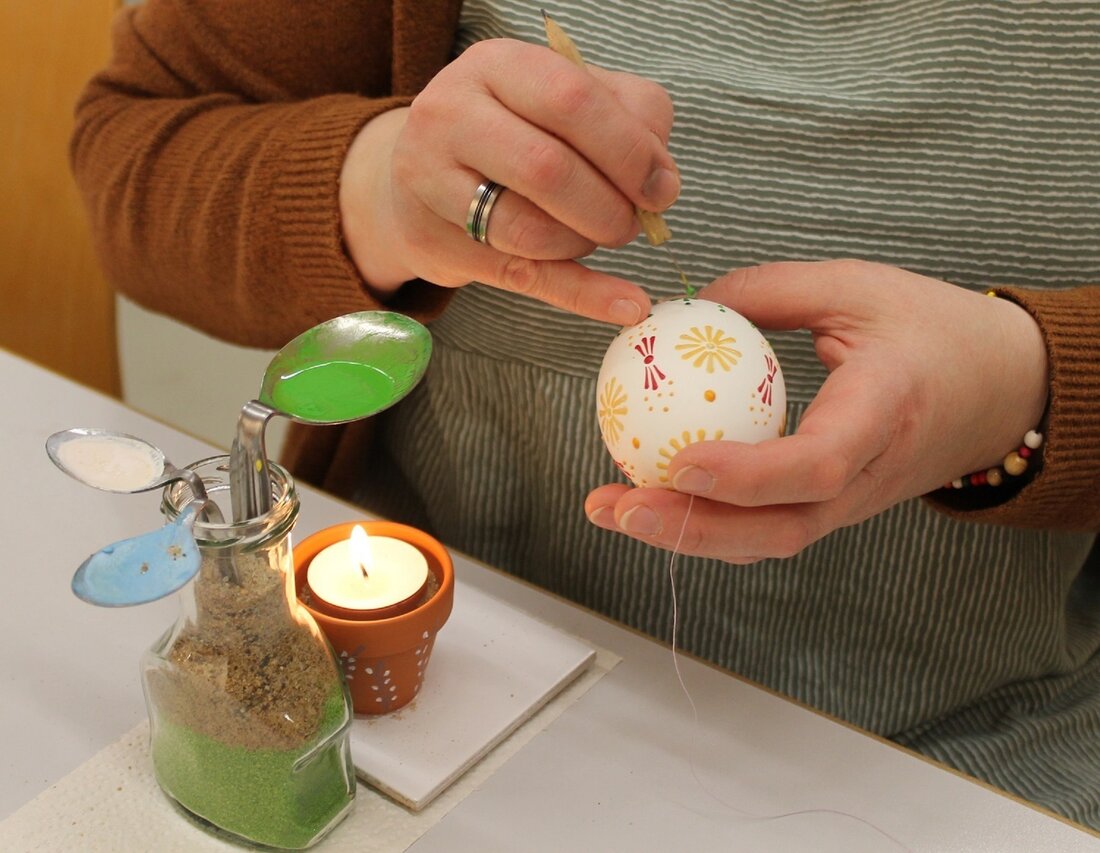

On Saturday, 12 April, from 1 p.m. to 5 p.m., interested parties are once again invited to the spring festival with seed and plant exchange at the Museum für Naturkunde Chemnitz, TIETZ, Moritzstraße 20.
Young and old alike can let off steam creatively at the spring and Easter craft activities and make Sorbian Easter eggs, Easter nests and seed cards. Little detectives will get their money's worth on the "Who hides what?" treasure hunt through the permanent exhibition. If you're brave enough, you can get up close and personal with insects. The waste disposal and city cleaning company of the city of Chemnitz (ASR) invites visitors to experiment and focuses on waste utilisation. Agrargenossenschaft Lößnitz-Stollberg eG offers honey as well as interesting facts about bees and the city library inspires visitors to create their own creative gardening projects with its mobile book lending service.
Home, small and flower pot gardeners are invited to bring seeds and plants to exchange and thus preserve the natural green diversity. Anyone wishing to offer larger quantities can register for a swap table, either by phone on 0371 488 4555 or by email to: foerster(at)naturkunde-chemnitz.de.
A lecture on "The challenge of climate change - consequences for honey bees and beekeeping" with Yves Krone will begin at 3 pm. The beekeeper will shed light on the special challenges facing bees and beekeepers as a result of the changing climate.
The event is co-financed by the European Union as part of the ESF Plus project "Window into the Earth's History". This measure is co-financed by tax funds on the basis of the budget adopted by the Saxon state parliament.


English
Choose