

Offspring of the largest cat species in Germany
Two lynxes have been born at the Oberrabenstein game reserve
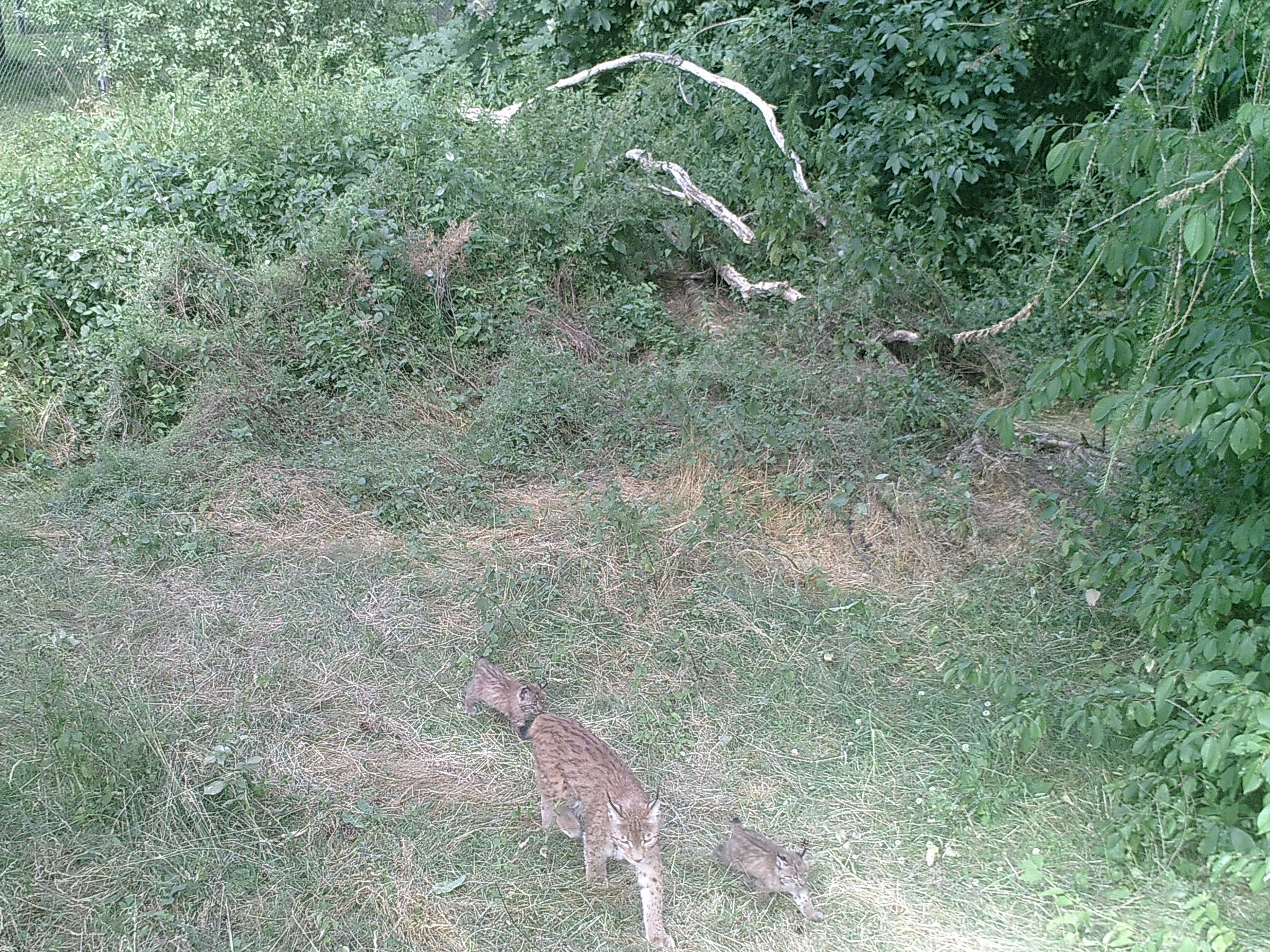
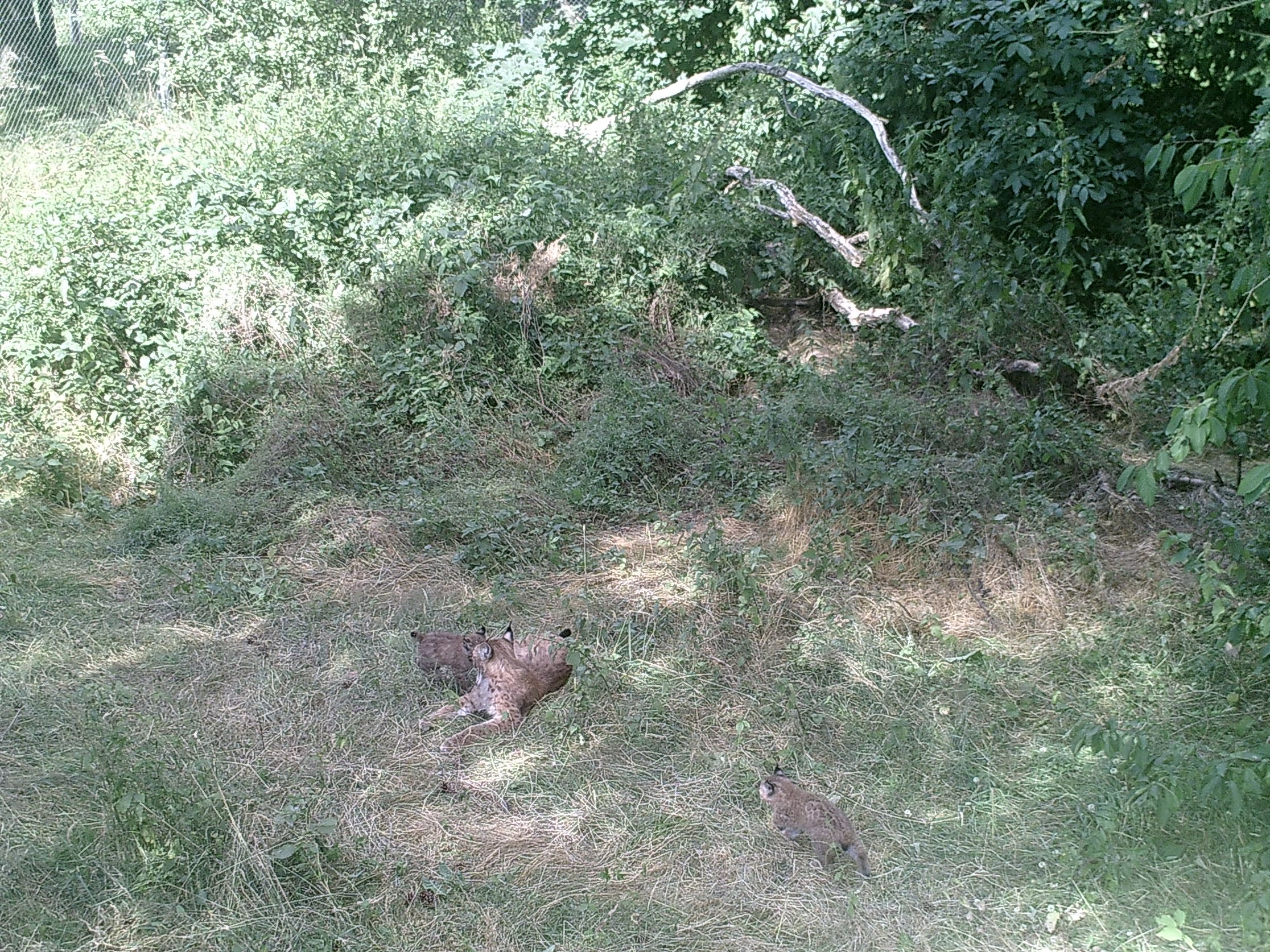
There was a happy surprise at the Oberrabenstein game reserve at the beginning of June. The breeding pair of Carpathian lynxes, who have only been living together since March this year, had their first cubs. The responsible keepers discovered two young animals on 8 June.
The offspring are surprising in that "Frey" has only been living in the wildlife enclosure since this year, on 17 March to be precise. He only arrived at the end of the lynx breeding season, which is between February and March. He was born on 23 May 2021 in the wild cat village of Hütscheroda. At just under two years old, it was also not certain whether he was already sexually mature.
Fawn "Leonie" was born in May 2015 in the Bavarian Forest Nature Park and has lived in Chemnitz since 2016. She has already given birth to offspring in the Oberrabenstein wildlife enclosure.
After 72 days of gestation, the lynx gives birth to two to five cubs in a sheltered place. They are already hairy, but blind for the first 14 days or so. They are cared for exclusively by their mother, who nurses them for the first five months. They stay with their mother until the following spring, after which they try to find their own territory. Lynx are solitary animals. The calf therefore does not participate in the rearing of the young.
The lynxes in the wildlife enclosure are of the Carpathian lynx subspecies. As the name suggests, this is characterised by its distribution area in the Carpathian Mountains.
Due to its wide distribution, the Eurasian lynx (Lynx lynx) is not considered an endangered species. However, individual subspecies are or were extinct in large parts of Europe. Attempts are now being made to reintroduce them, including in Germany. There are currently around 130 adult lynxes in Germany, which is why the species is categorised as highly endangered here.
This makes the successful breeding of such endangered species all the more important. Nevertheless, educating the public is an important task for zoological institutions. Whether the lynx will be reintroduced to our country in the long term also depends heavily on people's acceptance. For example, campaign days such as the "International Lynx Day" on 11 June each year are intended to raise awareness of the fact that the largest native cat must continue to be strictly protected, how people can campaign for its protection and where the animals are now native again.
Opening hours in summer
Zoo: 9 am to 7 pm, last admission 6 pm
Wildlife enclosure: 8 am to 6 pm, last admission 5 pm