

Offspring of goose birds at Chemnitz Zoo
White-fronted geese and shelducks show off their chicks
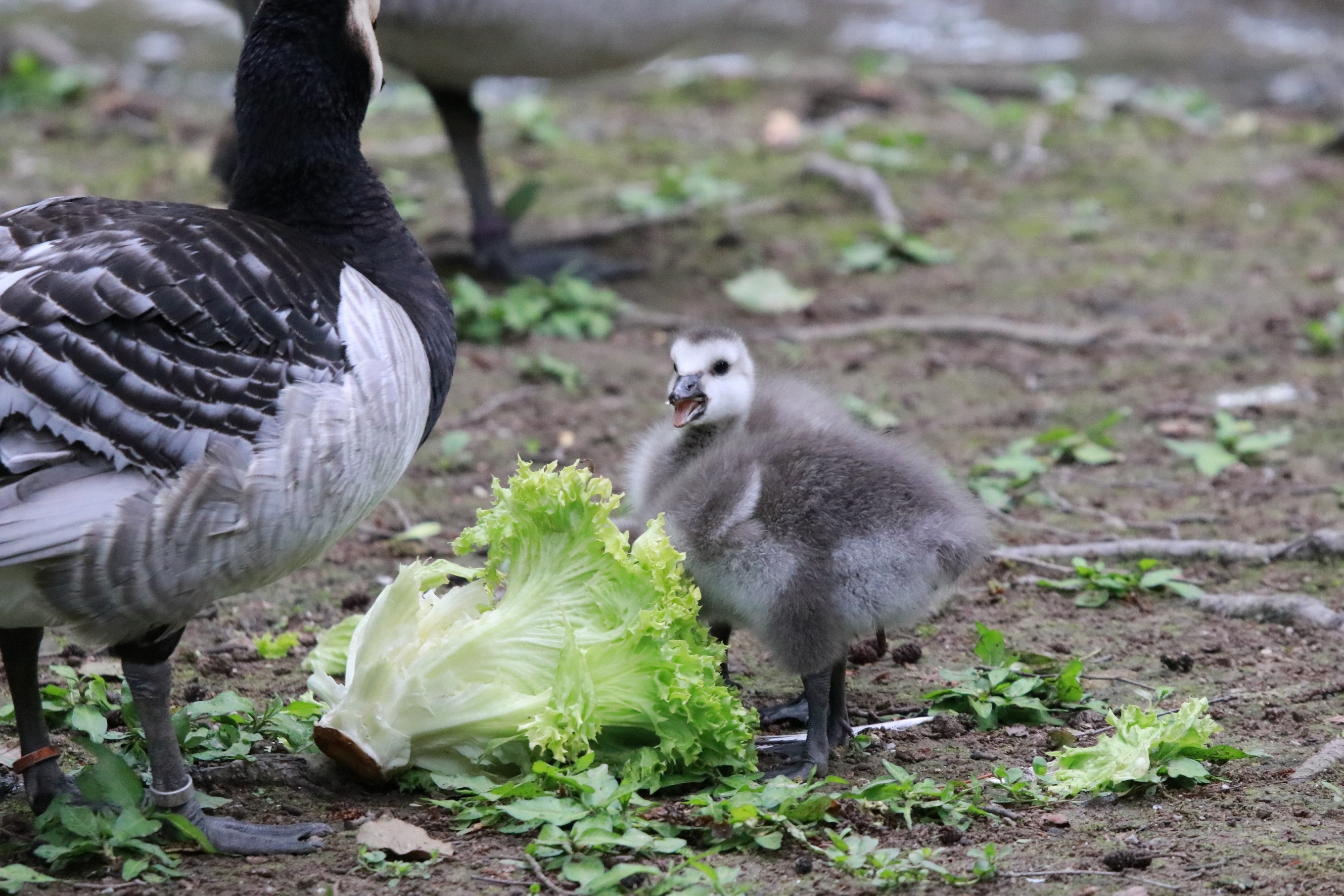
The white-fronted geese or barnacle geese at Chemnitz Zoo have offspring. A pair of geese are currently leading three chicks around the enclosure, which they share with the pink flamingos.
In their natural habitat - the Arctic - white-fronted geese often breed in groups on steep cliffs. They can only reach their nests by flying, which keeps them safe from Arctic foxes. The newly hatched chicks, which are not yet able to fly, have to jump from the cliffs, which can be up to 30 metres high, in order to reach the feeding grounds. Not all chicks are successful in their attempt to leave these nests. Only around 50 per cent of the chicks hatched on such cliffs survive their first month of life.
Even if the offspring in human care have a much easier time getting to food, natural broods are not a matter of course here.
At Chemnitz Zoo, natural breeding occurs very regularly. The zoo therefore makes an important contribution to the conservation of this species in zoological institutions.
Incidentally, white-fronted geese are winter guests in Germany. At the end of August, the geese begin to leave their Arctic breeding grounds. They move into their winter quarters on the British Isles and on the German-Dutch North Sea coast.
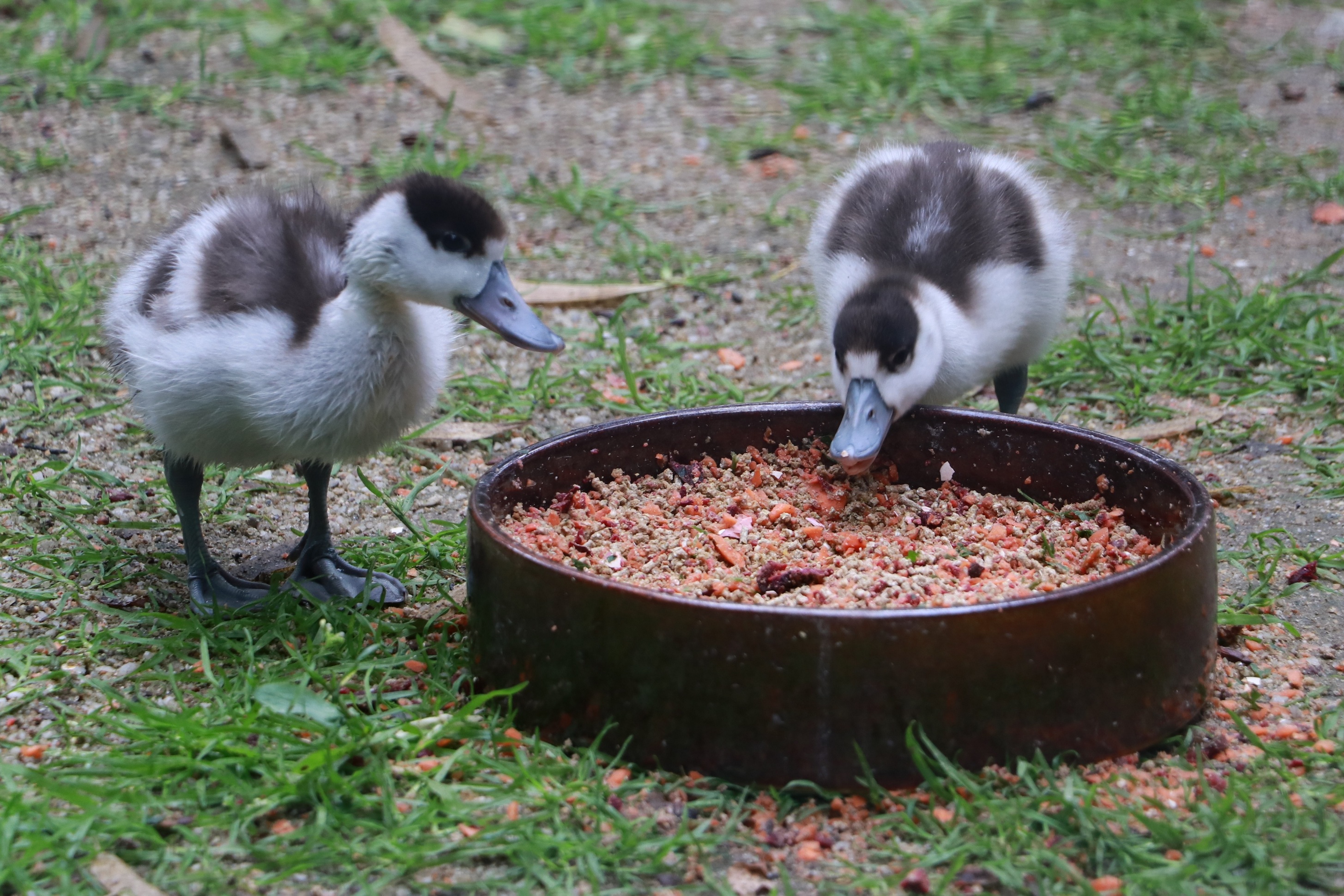
The shelduck geese, which can be seen on the "duck pond" in the zoo, are also currently breeding. However, the two geese and their eight goslings are currently housed in the aviary with the flamingos. This is mainly to protect the goslings, as they could fall victim to crows on the large pond.
Shelducks have a very wide range. As they mostly breed on the coasts, in Germany they are mainly found in the north. They frequently breed in burrows and often use old rabbit or fox burrows. If no burrows are available, they will also build free-standing nests.
Opening hours in summer:
| Zoo: | 9 am to 7 pm, last admission 6 pm |
| Game enclosure: | 9am to 6pm, last admission 5pm |