

Chemnitz Zoo: Two new bird species have moved in
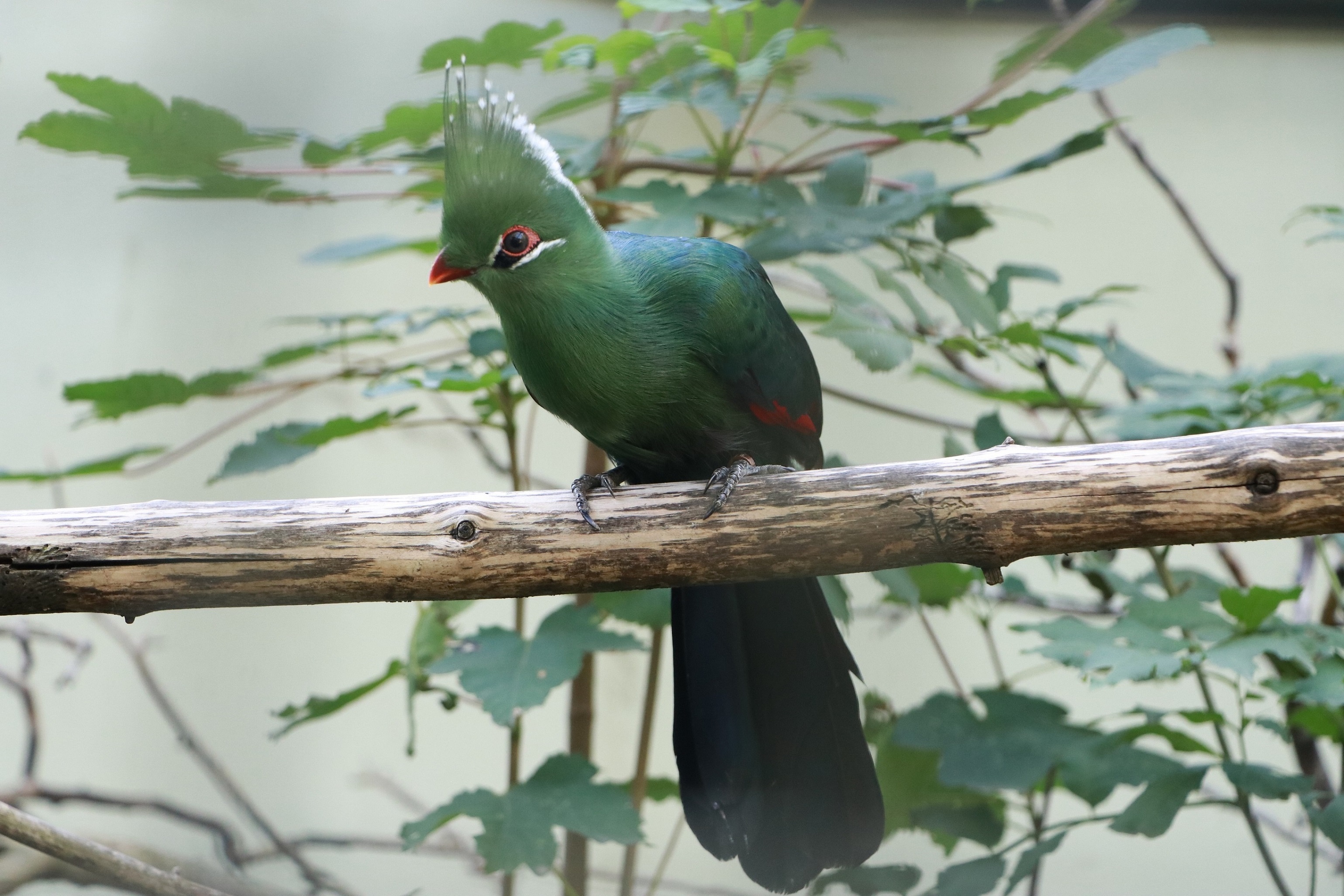
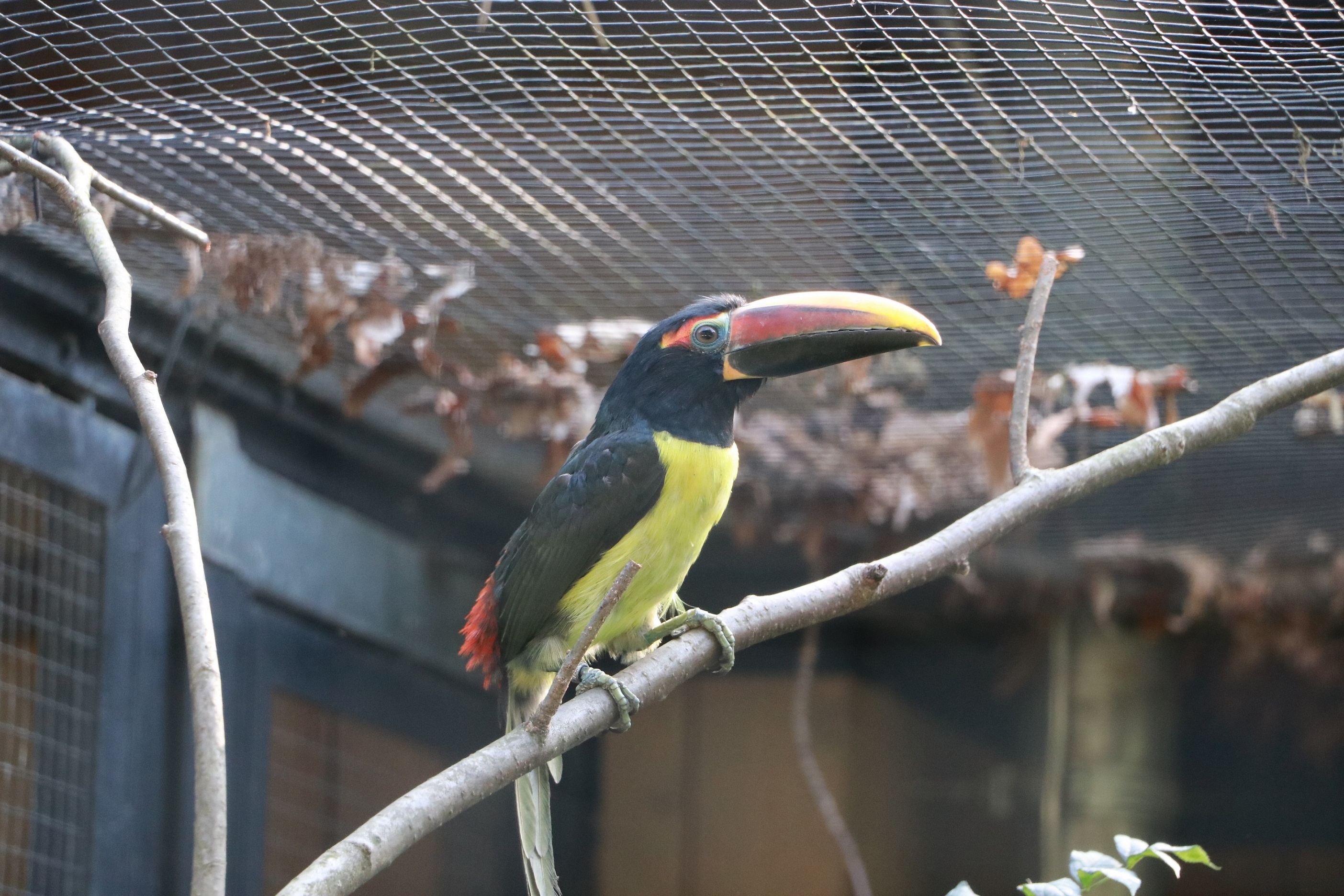
Two new bird species can be marvelled at in the pheasantry at Chemnitz Zoo. A pair of Livingston's turacos has been kept here since the beginning of September, and a pair of green macaws moved to Chemnitz from Rostock Zoo in mid-September.
The Livingstone's turaco - also known as the pointed-crested or long-crested turaco - is a species of bird from the genus helmeted turaco found in south-east Africa. The most striking feature is the erectable feather crest on the head, which is long and pointed in the Livingston's turaco and ends in white tips. The body is predominantly green in colour, only the wing feathers are red. A unique feature of all turacos is the presence of two copper-containing pigments. These are responsible for the red and green plumage colouring and are not known in any other bird or anywhere else in the animal kingdom. In general, such bright colours are produced in birds by melanins or by light diffraction on the feather surface, but not in turacos.
Another special feature is the reversible toe on the turaco's feet. This flexible toe makes turacos excellent climbers in the treetops of the tropical forests that they colonise. Here they feed mainly on plants. Livingstone turacos prefer fruits. Their seeds are often excreted undigested. In this way, the species contributes to the spread of some plant species.
The green aracari is a toucan species and the smallest member of the black aracari genus. They are also one of two species in which both sexes are strikingly different from each other. Males have a black head and neck, in females these areas are brown in colour.
Toucans belong to the woodpecker family. This can be clearly recognised by the structure of their feet, with two toes pointing forwards and two toes pointing backwards. The feet of native great spotted woodpeckers, for example, also look like this.
However, the most striking feature of toucans is their huge beak. Although it looks massive and heavy, it is actually rather lightweight. It is used by the birds to control their heat balance, among other things. In contrast to the much better known giant toucans, the beak of the green aracari is more colourful. Green Toucans are found in the tropical forests of northern South America. There they are pure tree dwellers. The monogamous pairs take turns incubating two to four eggs in tree hollows. The incubation period lasts around 16 days and the young birds fledge at around 50 days. If conditions are favourable, the first brood can be followed by a second, in which the older siblings are involved, e.g. by feeding the younger birds.
In addition to the vivarium, the bird population is also one of the special features of Chemnitz Zoo. More than 70 different bird species can be seen here, most of them in the pheasantry and the tropical house.
www.tierpark-chemnitz.de
Opening hours in October: zoo and wildlife park: 9 am to 5 pm, last admission 4 pm