

An endangered and rare species with offspring
Chemnitz Zoo: New additions to the West Caucasian ibex and the swimming frogs
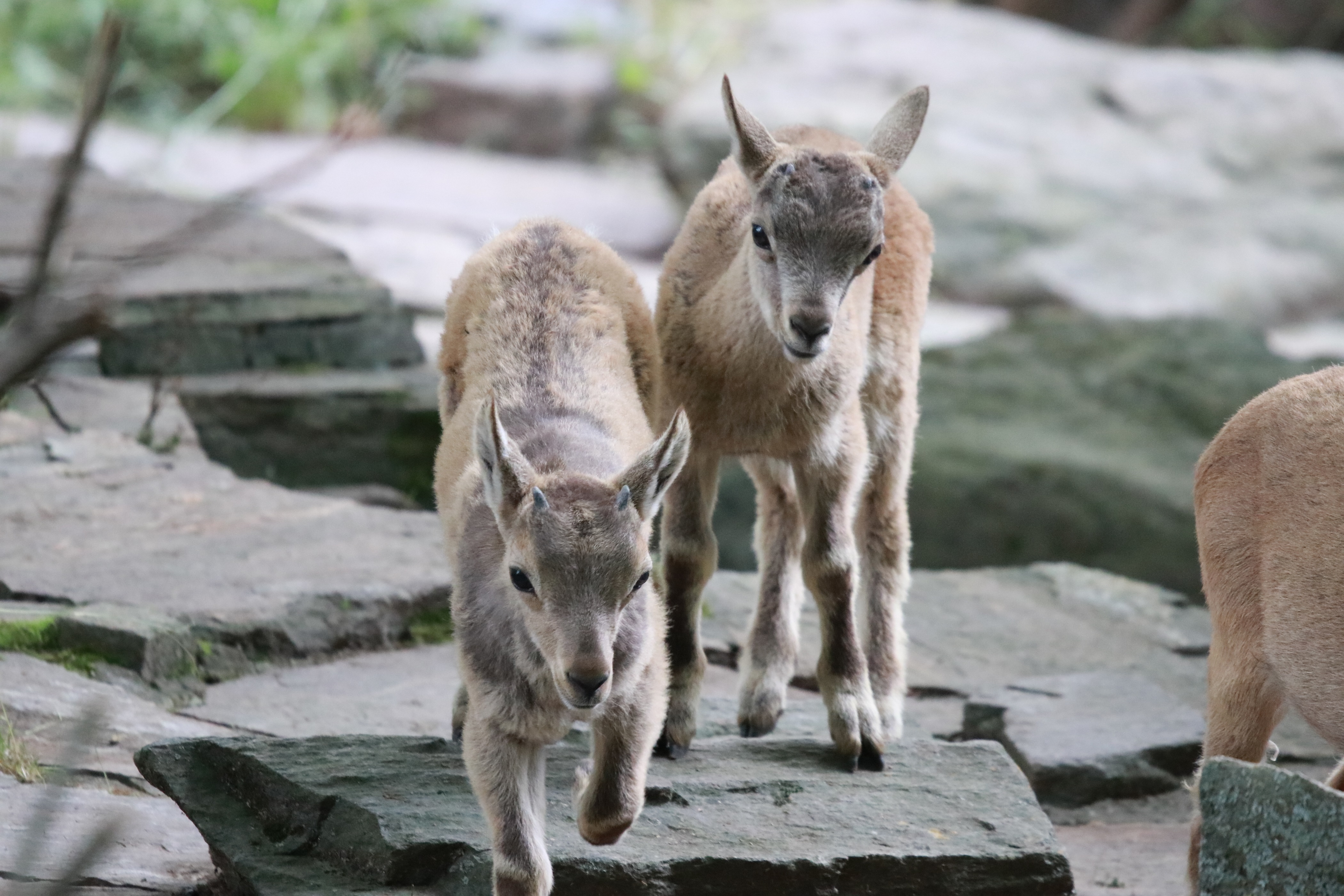
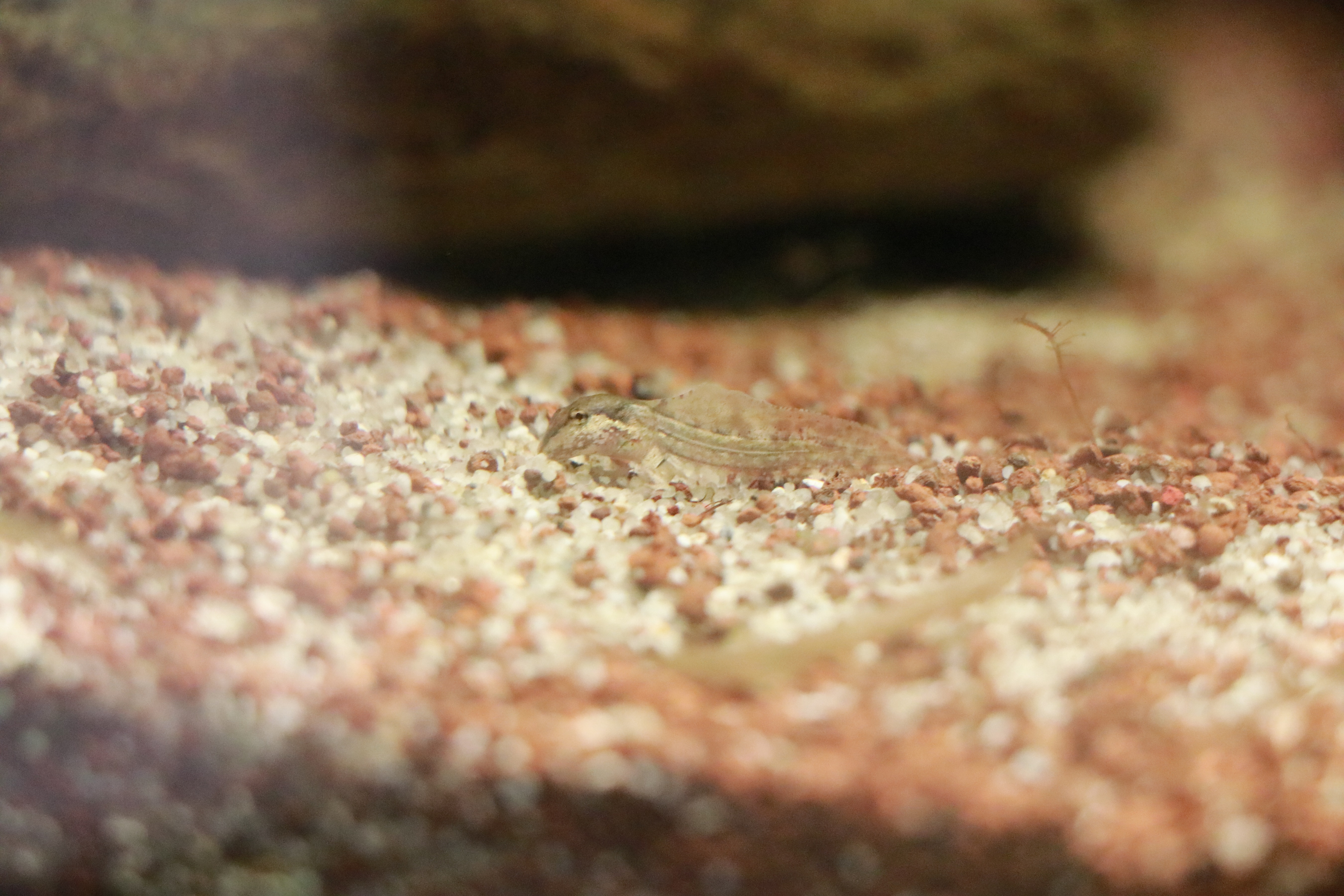
More offspring have arrived at Chemnitz Zoo. On 5 May, 15 May and 31 May, the West Caucasian ibex, a highly endangered goat species, gave birth to one young animal each - a buck and two kids. This means that the group at the zoo has now grown to eleven animals. And the swimming frogs, a rare amphibian species, have also grown.
Offspring of a highly endangered goat species
The mating season for the West Caucasian ibex falls in the winter months of November and December. After a gestation period of just under six months, a single kid is usually born in May and June. Twin births are rather rare.
The Western Caucasian ibex has the smallest distribution area of all wild ibex species. It covers an area of around 15,000 square kilometres in the western Caucasus, mainly in Georgia and Russia. This makes the distribution area smaller than the federal state of Saxony with around 18,400 square kilometres.
With this small range in the Western Caucasus and a rapidly declining population of only around 5,000 animals, the Western Caucasian ibex is considered a critically endangered species. Despite a conservation breeding programme, these imposing horned animals are rarely exhibited in European zoos. In Germany, this species can only be found in four other zoological institutions. The team at Chemnitz Zoo is therefore delighted to be able to report another successful participation in a conservation breeding programme.
The ibexes were housed inside the zoo grounds during the construction of the new Dschelada enclosure and were not visible to visitors. Since last week, they can once again be seen in their usual enclosure next to the djeladas.
Offspring of a rare amphibian species
One of the special features of Chemnitz Zoo is the vivarium, which is home to more than 80 different amphibian species. These include many rarities - species that are rarely exhibited in zoological institutions or can only rarely be found in the wild. The first category includes the swimming frog. This frog species, which is native to Asia, is only exhibited in Europe at the Museum König Bonn and the Wrocław Zoo (Poland) in addition to Chemnitz.
Although the swimming frog is not considered endangered on the Red List of Threatened Species, its population is declining rapidly. This is mainly due to the pet trade. As an easy-care aquarium inhabitant, it is often kept privately. As offspring are rather rare there, new animals are constantly being taken from the wild.
As amphibians are considered to be the most endangered class of vertebrates worldwide, Chemnitz Zoo makes an important contribution to their conservation with its regular breeding of various species.
www.tierpark-chemnitz.de
Opening hours in summer:
Zoo: 9 am to 7 pm, last admission 6 pm
Game enclosure: 8 a.m. to 6 p.m., last admission 5 p.m.