News from the zoo
Young animals with fur and feathers

On 13 June 2019, a birth took place among the Oman shorthair cats. The kitten spent the first few days of its life hidden in the whelping box, but the parents are now also spending time with the kitten in the outdoor enclosure.
The Oman cat is a subspecies of the wild cat. It is found in the United Arab Emirates and Qatar. This subspecies is only very rarely shown in zoological gardens. Incidentally, it is not the ancestor of our domestic cat, which is the Libyan Falcon.
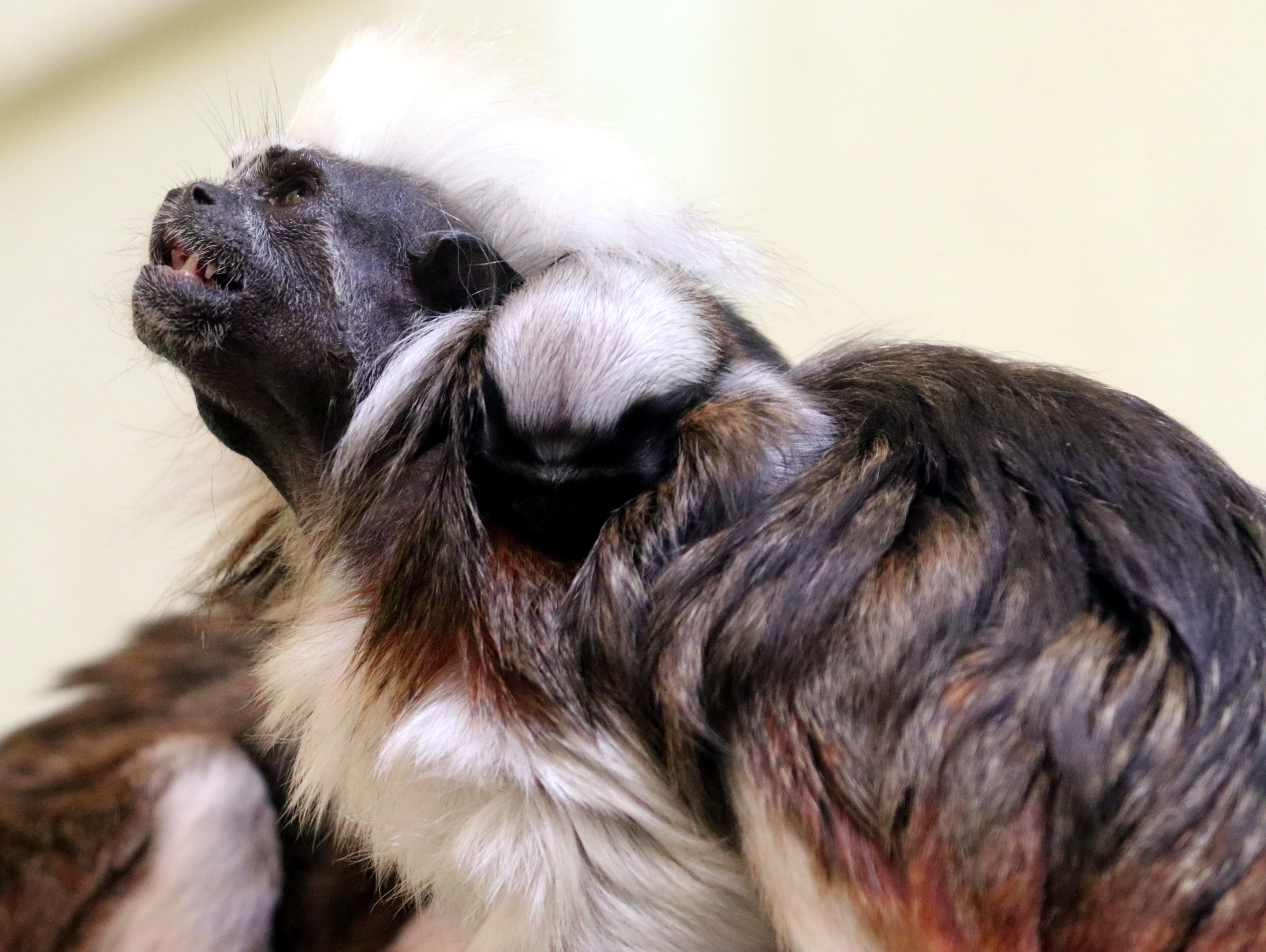
The liszt monkeys have also had offspring. The little one was born on 24 June 2019 and is an only child. Normally, twins are born after a gestation period of 140 days. The newborns weigh around 40g and are cared for by several family members. This increases the little ones' chances of survival and the siblings gain experience in rearing their young. Liszt monkeys are among the most endangered monkey species in the world and have been successfully kept and bred at Chemnitz Zoo for many years.
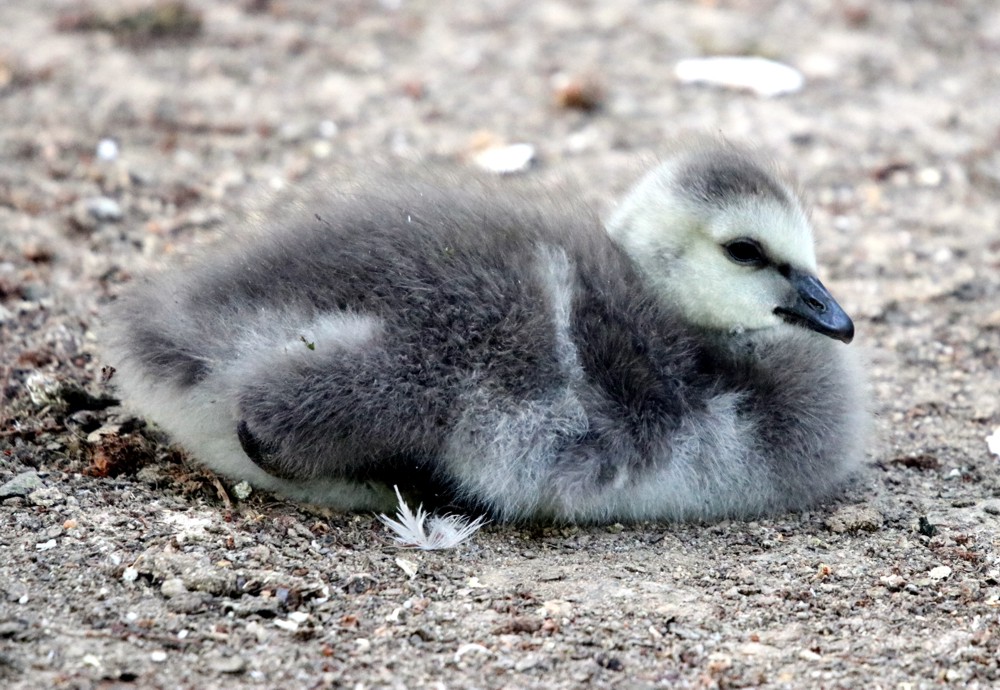
The white-cheeked geese, glossy parakeets, grey cardinals, Edward's pheasants and cockatiels also have young.
DRK blood donation day on 7 July 2019
Right at the start of the summer holidays in Saxony, the German Red Cross and Chemnitz Zoo invite you to the now traditional blood donation campaign at the zoo school on Sunday, 7 July from 10 am to 4 pm. All donors on this day will receive a refund for themselves and an accompanying child after donating blood at the zoo school.
Please bring your identity card with you when donating blood!