

![[Translate to English:]](https://d2vw8mc5mcb3gm.cloudfront.net/fileadmin/_processed_/4/2/csm_pd0216_Igel_nah_Pixabay_frei_a95af4af41.jpg "[Translate to English:]")
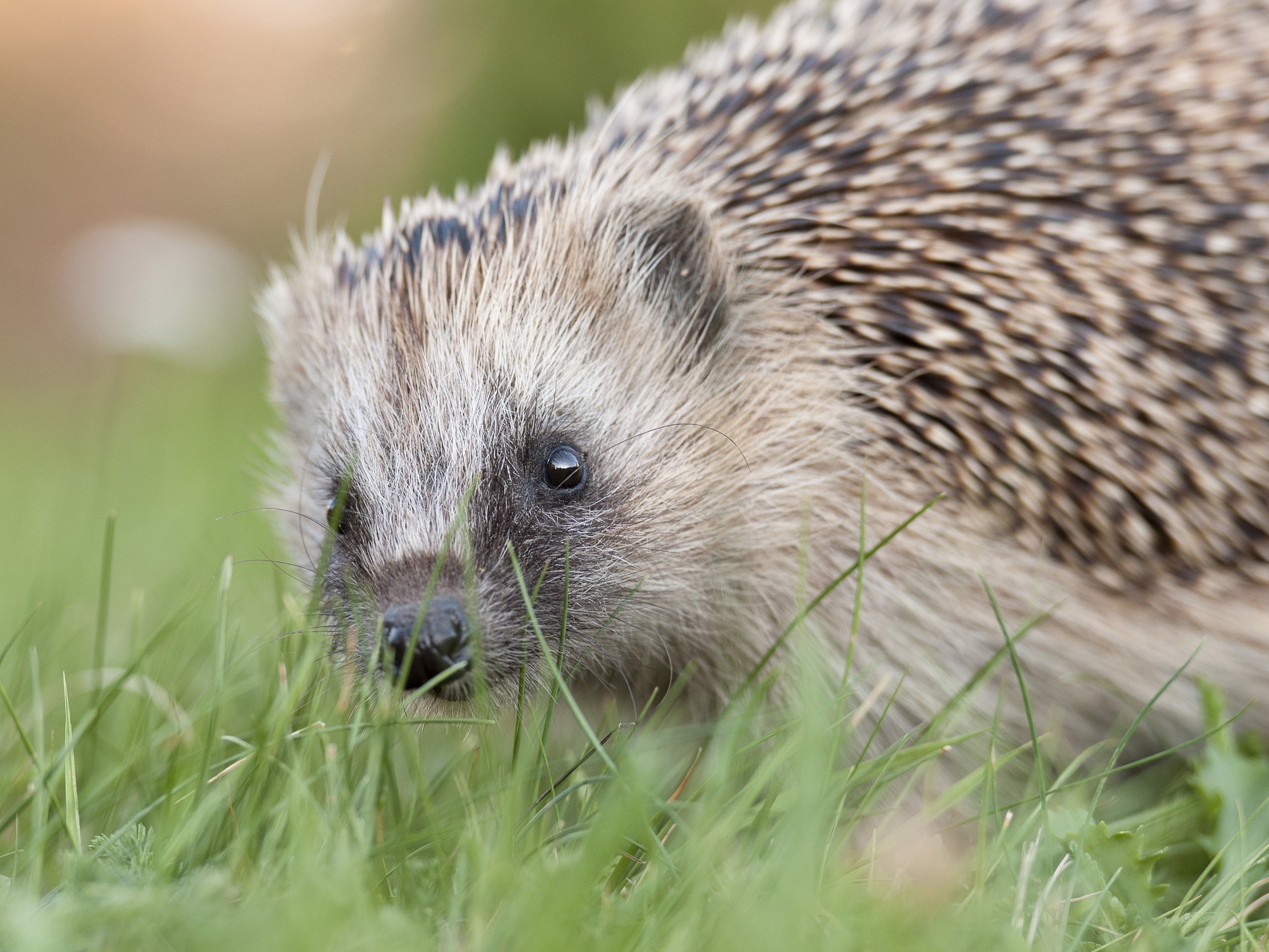
Hedgehogs are active at dusk and at night and are therefore particularly vulnerable as they are not flight animals. Instead, they curl up and rely on the protection of their spines. This often results in serious cuts or severed limbs, which often lead to death.
For this reason, robotic lawnmowers are prohibited from travelling at night throughout the city of Chemnitz. To protect hedgehogs and other small vertebrates, the operation of robotic mowers is prohibited from half an hour before sunset until half an hour after sunrise the following day.
Loss of species due to excessive green maintenance
Not only robotic lawnmowers are dangerous for animals, but also string mowers, brushcutters and brushcutters that are used to trim lawn edges or under bushes and hedges. Hedgehogs in particular retreat to these places to sleep during the day.
Frequent mowing and the use of brush cutters and leaf blowers also jeopardise biodiversity in the garden: amphibians, insects and arachnids are literally shredded, whirled up or sucked in. With frequent mowing, native wild herbs disappear and insects can no longer find food. This also poses challenges for hedgehogs in their search for food. They often have to travel long and dangerous distances to find enough food.
Biodiversity in the garden
The home garden is not only a recreational area for people, it can also make a decisive contribution to preserving biodiversity.
The following aspects in the home garden can help hedgehogs and co:
- Only leave robotic lawnmowers running during the day and never leave them unattended, observe the ban on driving robotic lawnmowers at night,
- Proceed carefully and cautiously when gardening,
- Create refuges for small animals by not removing leaves, deadwood and brushwood piles or by deliberately creating them,
- plant native plants and shrubs,
- creating flowering meadows or leaving part of the meadow standing when mowing.
With a conscious approach, everyone can look after their own garden and at the same time provide a habitat for native wildlife.
More information: